

The fusion of IoT (Internet of Things) and thermal paper is revolutionizing various industries, offering new efficiencies and capabilities. This connected future brings innovative solutions to traditional problems, enhancing everything from retail operations to healthcare services. Let’s dive into how this powerful combination is shaping our world.
The Evolution of Thermal Paper
Thermal paper has been a staple in numerous applications for decades. Traditionally used for printing receipts and tickets, it has seen significant advancements recently. Modern thermal paper is more efficient, environmentally friendly, and versatile than ever before. At Stingbull Ribbon, we offer a wide range of thermal paper products that meet the needs of various industries.
Benefits of Thermal Paper
Cost-Effective
One of the most significant advantages of thermal paper is its cost-effectiveness. Thermal printers operate without the need for ink or toner, which are often the most expensive consumables in traditional printing systems. This eliminates the recurring costs associated with purchasing and replacing these supplies. Additionally, thermal printers have fewer moving parts compared to inkjet or laser printers, resulting in lower maintenance costs and reduced downtime. Businesses, especially those with high-volume printing needs, can realize substantial savings over time by switching to thermal printing solutions. The cost-effectiveness of thermal printers extends to various industries, from retail and logistics to healthcare and hospitality, making it an attractive option for organizations looking to optimize their operational expenses.
Speed
Thermal printers are renowned for their fast printing speeds, making them ideal for high-traffic environments where efficiency is crucial. In retail settings, quick receipt printing can significantly reduce customer wait times at checkout counters, enhancing the overall shopping experience. Similarly, in logistics and warehousing, the ability to rapidly print labels and shipping documents can streamline operations and improve productivity. The speed of thermal printers also benefits healthcare providers, enabling them to quickly produce wristbands, labels, and other essential documents needed for patient care. This efficiency is achieved through the direct thermal printing process, where heat is applied to the thermal paper to create images, bypassing the need for intermediate steps such as ink application or drying time. As a result, thermal printers deliver swift, reliable performance that meets the demands of busy environments.
Durability
Thermal prints are known for their exceptional durability, offering resistance to fading and smudging. This ensures that printed materials remain legible and intact over time, which is critical for applications requiring long-lasting documentation. For instance, in the retail industry, receipts printed on thermal paper can withstand frequent handling and exposure to various environmental conditions without losing their readability. In logistics, durable labels are essential for accurate tracking and identification of packages throughout the supply chain, even under harsh conditions. In healthcare, thermal-printed wristbands and labels must endure frequent contact and potential exposure to liquids, ensuring that patient information remains clear and accessible. The robustness of thermal prints is attributed to the specially coated paper that reacts to heat, creating stable images that are less susceptible to external factors. This durability makes thermal paper a reliable choice for numerous applications where longevity and clarity are paramount.
Environmental Impact
Beyond the immediate benefits of cost, speed, and durability, modern advancements in thermal paper technology have also addressed environmental concerns. Many thermal papers are now manufactured without the use of Bisphenol A (BPA) or Bisphenol S (BPS), chemicals previously used in the production process that have raised health and environmental issues. The industry is moving towards more sustainable practices, with some manufacturers offering recyclable and biodegradable thermal paper options. These eco-friendly alternatives help reduce the environmental footprint of thermal printing, aligning with the growing demand for sustainable business practices. Additionally, the reduced need for consumables such as ink and toner cartridges further decreases waste and resource consumption, making thermal paper a more environmentally responsible choice.
The benefits of thermal paper extend far beyond its initial cost savings. Its rapid printing capabilities, coupled with the durability and longevity of the prints, make it an invaluable resource for high-traffic and demanding environments. As industries continue to prioritize efficiency, reliability, and sustainability, thermal paper stands out as a versatile and advantageous solution, driving advancements and improvements across various sectors.
Understanding IoT
The Internet of Things (IoT) represents a vast network of interconnected devices that communicate and share data with each other. This advanced connectivity allows for real-time monitoring, automation, and significantly enhanced decision-making capabilities. By linking various devices and systems, IoT can transform numerous industries, driving efficiency and innovation in ways previously unimaginable. When integrated with thermal paper technology, IoT brings a new level of sophistication and utility, opening up exciting possibilities across various fields.
Key Components of IoT
Sensors

Sensors are critical components in any IoT system. These devices are responsible for collecting data from the environment, measuring a wide array of parameters such as temperature, humidity, motion, light, pressure, and more. The data gathered by sensors forms the foundation of IoT, enabling systems to monitor conditions and respond appropriately. In applications involving thermal paper, sensors can ensure that printing conditions are optimal, detect environmental changes that might affect print quality, and monitor equipment performance to preemptively address maintenance needs.
Connectivity
Connectivity is the backbone of IoT, facilitating communication between devices and cloud platforms. This aspect of IoT ensures that data collected by sensors is transmitted to where it can be processed and analyzed. Various connectivity options, including Wi-Fi, Bluetooth, cellular networks, and specialized IoT protocols like Zigbee and LoRa, are employed depending on the specific requirements of the application. For instance, in logistics, cellular connectivity enables real-time tracking of packages, while in a retail setting, Wi-Fi connectivity can seamlessly integrate thermal printers with point-of-sale systems.
Data Processing
Once data is collected and transmitted, it needs to be processed to extract meaningful insights. This is where data processing comes into play. Using advanced algorithms and machine learning techniques, the raw data is analyzed to provide actionable information. For thermal paper applications, data processing might involve optimizing print quality, predicting equipment maintenance needs, or enhancing operational efficiency through data-driven insights. For example, in healthcare, data processing can help monitor patient vital signs in real-time, ensuring immediate responses to any abnormalities.
User Interface
The user interface (UI) is the bridge between the user and the IoT system, providing a way to interact with and interpret the collected data. A well-designed UI allows users to easily access and understand data, make informed decisions, and control the system as needed. In retail, a user-friendly interface might provide managers with real-time sales data, inventory levels, and customer analytics, facilitating better decision-making. In logistics, the UI could display real-time tracking information and delivery statuses, improving transparency and operational efficiency.
Integration of IoT and Thermal Paper
Combining IoT with thermal paper technology creates intelligent systems that significantly enhance efficiency, accuracy, and functionality. Here are some practical applications of this integration:
Retail
In the retail sector, IoT-enabled thermal printers can revolutionize inventory management. These smart systems use sensors to monitor stock levels in real-time, automatically triggering restocking orders when inventory runs low. This reduces the risk of overstocking or stockouts, ensuring that products are always available for customers. Additionally, thermal printers can generate personalized digital receipts and promotional offers based on customer purchase history and preferences. By leveraging IoT data, retailers can gain valuable insights into customer behavior, allowing for more targeted marketing and improved customer service. For instance, sensors on store shelves can detect product levels, and this information is relayed to thermal printers that issue restocking alerts or labels as needed.
Healthcare
In healthcare, the integration of IoT devices with thermal printing capabilities can dramatically improve patient care and operational efficiency. For example, patient wristbands printed with thermal paper can include RFID chips that store comprehensive medical information, such as patient history, allergies, and current medications. This ensures quick and accurate access to crucial information for healthcare providers, reducing the risk of errors and enhancing the quality of care. Thermal printers can also be used to print medication labels with real-time dosage information, ensuring accuracy in drug administration. Additionally, IoT systems can monitor the status and performance of medical equipment, alerting staff to any maintenance needs or potential issues before they impact patient care.
Logistics
In the logistics industry, IoT-enabled thermal printers play a crucial role in generating real-time tracking labels for packages. Sensors within packages can monitor environmental conditions, such as temperature and humidity, ensuring that goods are transported under optimal conditions. This capability is particularly important for perishable items and sensitive materials. IoT systems can provide real-time data on the location and status of shipments, reducing errors and improving delivery times. Thermal printers connected to IoT networks can streamline warehouse operations by automating label printing and inventory management. Real-time data analysis can optimize delivery routes, predict potential delays, and enhance customer satisfaction by providing accurate and timely delivery updates.
The integration of IoT with thermal paper technology is transforming traditional industries by creating smart, efficient, and accurate systems. The key components of IoT—sensors, connectivity, data processing, and user interfaces—work together to provide real-time monitoring, automation, and data-driven insights. This powerful combination enhances operations across various sectors, from retail and healthcare to logistics, enabling businesses to improve efficiency, accuracy, and customer satisfaction. As technology continues to advance, the possibilities for IoT and thermal paper integration will only expand, driving innovation and shaping the future of connected systems.
Case Studies
Retail Success
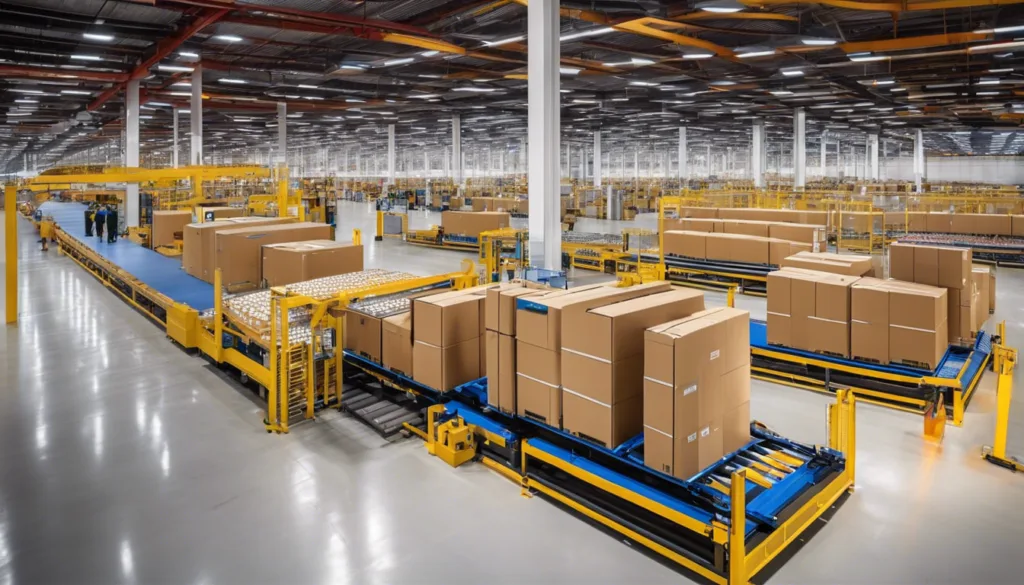
A major retail chain recently took a significant step towards enhancing its operations by integrating IoT-enabled thermal printers into its point-of-sale (POS) systems. This strategic move brought about several notable improvements across various aspects of the business.
Improved Inventory Management
Before the integration, the retail chain often faced challenges with stock discrepancies, leading to issues such as overstocking or running out of popular items. With IoT-enabled thermal printers, the system now tracks inventory in real-time, providing accurate data on stock levels. This real-time tracking allows the system to automatically trigger restocking orders when items run low, ensuring optimal inventory levels. As a result, the store shelves are consistently well-stocked, reducing the likelihood of lost sales and improving overall customer satisfaction. Additionally, the ability to monitor inventory accurately helps in better forecasting demand and managing supply chains more effectively.
Enhanced Customer Experience
Customer experience has been significantly enhanced through faster checkout times and more accurate receipts. The IoT-enabled thermal printers ensure that receipts are printed quickly and error-free, reducing wait times at checkout counters. This efficiency not only speeds up the transaction process but also minimizes the chances of errors on receipts, such as incorrect item listings or pricing mistakes. Customers appreciate the swift and accurate service, which contributes to a more positive shopping experience. Moreover, these printers can print customized promotional offers and loyalty rewards on receipts, providing personalized service and encouraging repeat business.
Cost Savings
The integration has also led to substantial cost savings for the retail chain. Traditional printers require regular maintenance and the purchase of ink or toner, which can be expensive. In contrast, thermal printers do not require these consumables, resulting in lower operating costs. Additionally, the enhanced accuracy in inventory management reduces waste from overstocking and minimizes losses from stockouts. The reduction in manual processes and improved efficiency also lowers labor costs, as employees can focus on more value-added tasks rather than managing inventory discrepancies. Overall, the retail chain has seen a significant reduction in waste and operational costs, contributing to improved profitability.
Healthcare Innovation
A forward-thinking hospital has implemented IoT thermal printers for printing patient wristbands, resulting in numerous benefits that enhance patient care and streamline hospital operations.
Improved Patient Safety
One of the primary advantages of using IoT thermal printers for patient wristbands is the significant improvement in patient safety. These wristbands are printed with RFID chips containing comprehensive patient information, such as medical history, allergies, and current medications. Healthcare providers can quickly access this information by scanning the wristbands, ensuring that patients receive accurate and timely care. This immediate access to critical data reduces the risk of medical errors, such as administering the wrong medication or treatment, and enhances overall patient safety.
Streamlined Operations
The automation of wristband printing has streamlined various hospital operations. Before the implementation, printing wristbands and ensuring they contained the correct information was a time-consuming process prone to human error. With IoT thermal printers, the process is automated, ensuring that wristbands are printed accurately and efficiently. This automation reduces the workload for healthcare staff, allowing them to focus more on patient care rather than administrative tasks. The efficiency gained from this system improves the overall workflow within the hospital, reducing bottlenecks and enhancing operational effectiveness.
Better Patient Tracking
Accurate patient tracking is another critical benefit achieved through the use of IoT thermal printers. Each wristband is linked to the hospital’s central system, allowing for real-time monitoring of patient locations and statuses. This capability ensures that healthcare providers can quickly locate patients within the hospital, whether they are in their rooms, undergoing tests, or in transit to different departments. Enhanced patient tracking not only improves the coordination of care but also ensures that patients receive timely interventions when needed. The system can also provide alerts for any discrepancies or unusual activities, further ensuring patient safety and care quality.
The integration of IoT-enabled thermal printers in both retail and healthcare settings demonstrates the transformative potential of this technology. In retail, the improvements in inventory management, customer experience, and cost savings have significantly enhanced business operations and customer satisfaction. In healthcare, the benefits of improved patient safety, streamlined operations, and better patient tracking highlight the critical role that IoT-enabled thermal printers play in enhancing care quality and operational efficiency. These case studies underscore the broad applicability and substantial benefits of integrating IoT technology with thermal printing solutions across various industries.
Challenges and Considerations
While the integration of IoT and thermal paper technology offers numerous benefits, it also comes with a set of challenges that need to be addressed to ensure successful implementation. These challenges span technical, environmental, and financial aspects, each requiring careful consideration and planning.
Technical Challenges
Connectivity Issues
One of the primary technical challenges in integrating IoT with thermal paper is ensuring reliable and secure connections. IoT systems rely on continuous data exchange between devices and cloud platforms, and any disruption in connectivity can lead to significant issues. Factors such as network coverage, signal interference, and bandwidth limitations can impact the performance of IoT-enabled devices. To mitigate these issues, businesses need to invest in robust networking solutions and consider redundancy options to maintain connectivity. Additionally, implementing advanced encryption protocols and secure communication channels is essential to protect data integrity and prevent unauthorized access.
Data Security
Protecting sensitive information is crucial when dealing with IoT systems, especially in sectors like healthcare and retail where personal and financial data is involved. The integration of IoT with thermal paper increases the amount of data being transmitted and stored, making it a potential target for cyber-attacks. Businesses must implement comprehensive cybersecurity measures, including firewalls, encryption, regular software updates, and intrusion detection systems. Educating employees on data security best practices and conducting regular security audits can further enhance the protection of sensitive information. Ensuring compliance with relevant data protection regulations, such as GDPR or HIPAA, is also critical in maintaining trust and legal compliance.
Compatibility
Integrating IoT systems with existing infrastructure can be challenging, especially if the current systems are outdated or not designed to support IoT technology. Compatibility issues can arise from differences in communication protocols, software platforms, and hardware specifications. To address these challenges, businesses need to conduct thorough assessments of their existing systems and plan the integration process meticulously. This might involve upgrading legacy systems, adopting standard communication protocols, and ensuring that new IoT devices are compatible with existing platforms. Working with experienced IoT solution providers can help in navigating these compatibility challenges and ensuring a smooth integration process.
Environmental Concerns
Sustainability

The environmental impact of thermal paper is a significant consideration, particularly given the growing emphasis on sustainable practices. Traditional thermal paper often contains Bisphenol A (BPA) or Bisphenol S (BPS), chemicals that can have harmful effects on health and the environment. To mitigate these concerns, businesses should opt for BPA/BPS-free thermal paper, which is safer and more environmentally friendly. Additionally, exploring options for recyclable or biodegradable thermal paper can further reduce the environmental footprint. At Stingbull Ribbon, we offer a range of safe and sustainable thermal paper options that meet these criteria, helping businesses make environmentally responsible choices without compromising on quality.
Cost and ROI
Initial Investment
The upfront costs associated with integrating IoT and thermal paper technology can be substantial. These costs include purchasing IoT-enabled devices, upgrading infrastructure, implementing security measures, and training staff. While the initial investment might seem high, it is essential to consider the long-term benefits and potential cost savings. For instance, IoT systems can significantly reduce operational costs through automation, improved efficiency, and better resource management. Conducting a detailed cost-benefit analysis can help businesses understand the value proposition and justify the initial expenditure.
ROI Analysis
Carefully considering the return on investment (ROI) is crucial to ensure that the integration of IoT and thermal paper aligns with business goals. This involves analyzing the potential financial gains, such as increased productivity, reduced waste, improved customer satisfaction, and enhanced operational efficiency. Businesses should set clear objectives and key performance indicators (KPIs) to measure the success of the integration. Regularly reviewing these metrics will help in assessing the impact and making necessary adjustments to optimize ROI. Additionally, exploring financing options or phased implementation approaches can help manage costs and demonstrate incremental benefits over time.
While the integration of IoT and thermal paper technology presents several challenges, these can be effectively managed with careful planning and strategic investments. Addressing technical issues such as connectivity, data security, and compatibility is essential to ensure a smooth and secure operation. Considering environmental concerns by opting for sustainable thermal paper solutions can enhance the business’s eco-friendly credentials. Lastly, conducting thorough ROI analysis and managing initial investment costs will help in realizing the long-term benefits of this powerful technological fusion. By navigating these challenges thoughtfully, businesses can harness the full potential of IoT and thermal paper to drive innovation, efficiency, and growth.
Future Prospects
Future Prospects
The future of integrating IoT with thermal paper is brimming with potential, driven by emerging trends and innovations that promise to revolutionize various industries. The convergence of these technologies is set to bring about transformative changes, enhancing efficiency, sustainability, and the overall user experience.
Smart Packaging
One of the most exciting prospects is the development of smart packaging through IoT-enabled thermal labels. These intelligent labels can transform traditional packaging into interactive and responsive solutions that offer numerous benefits.
Interactive Consumer Engagement
Smart packaging can provide consumers with detailed product information, usage instructions, and promotional offers through simple interactions with their smartphones. By scanning the IoT-enabled thermal labels, consumers can access a wealth of information, enhancing their shopping experience and fostering brand loyalty. For instance, a wine bottle with a smart label could provide tasting notes, pairing suggestions, and vineyard history, offering an immersive and engaging experience.
Real-Time Tracking and Monitoring
For manufacturers and retailers, smart packaging enables real-time tracking of products throughout the supply chain. IoT sensors embedded in thermal labels can monitor various environmental factors such as temperature, humidity, and location, ensuring that products are stored and transported under optimal conditions. This is particularly beneficial for perishable goods, pharmaceuticals, and other sensitive products where maintaining specific conditions is crucial. Real-time alerts can be generated if any parameters deviate from the set standards, allowing for prompt corrective actions to prevent spoilage or damage.
Anti-Counterfeiting Measures
Counterfeiting is a significant issue across many industries, leading to financial losses and compromised consumer safety. Smart packaging can combat this problem by incorporating unique identifiers and blockchain technology into IoT-enabled thermal labels. These labels can verify the authenticity of products at every stage of the supply chain, from manufacturing to the point of sale, providing consumers with confidence in the legitimacy of their purchases.
Advanced Healthcare Solutions
The healthcare industry stands to gain immensely from the integration of IoT and thermal paper, leading to advanced solutions that enhance patient monitoring and care.
Enhanced Patient Monitoring
IoT-enabled thermal printing can produce patient wristbands with embedded sensors that continuously monitor vital signs such as heart rate, blood pressure, and oxygen levels. These sensors can transmit real-time data to healthcare providers, enabling them to track patient health more accurately and respond promptly to any changes. This continuous monitoring is particularly beneficial for critically ill patients and those with chronic conditions, ensuring they receive timely and appropriate care.
Streamlined Medical Records
Thermal printers can also produce labels and wristbands with QR codes or RFID chips that link to electronic medical records (EMRs). This integration simplifies the management of patient information, reducing the risk of errors and improving the efficiency of medical processes. Healthcare providers can quickly access and update patient records, ensuring accurate and up-to-date information is always available.
Personalized Treatment Plans

By leveraging the data collected through IoT-enabled devices, healthcare providers can develop personalized treatment plans tailored to each patient’s specific needs. This data-driven approach can improve the effectiveness of treatments and enhance patient outcomes. For example, a diabetic patient’s glucose levels can be monitored in real-time, allowing for immediate adjustments to insulin therapy based on their current condition.
Eco-Friendly Innovations
Sustainability is an increasingly critical concern across all industries, and the development of eco-friendly thermal paper solutions is a promising trend.
BPA/BPS-Free Thermal Paper
As awareness of the harmful effects of Bisphenol A (BPA) and Bisphenol S (BPS) grows, there is a significant push towards producing thermal paper that is free from these chemicals. BPA/BPS-free thermal paper is safer for both consumers and the environment, reducing potential health risks and pollution. Manufacturers are investing in research and development to create thermal paper that meets safety standards without compromising on quality and performance.
Recyclable and Biodegradable Options
Innovations in material science are paving the way for recyclable and biodegradable thermal paper options. These sustainable alternatives help reduce waste and the environmental footprint of thermal paper products. By using materials that can be easily recycled or that biodegrade naturally, businesses can contribute to a circular economy and minimize their impact on the environment.
Energy-Efficient Production Processes
Advancements in production technologies are also focusing on reducing the energy consumption associated with manufacturing thermal paper. Implementing energy-efficient processes and utilizing renewable energy sources can further enhance the sustainability of thermal paper production. These efforts not only lower the carbon footprint but also reduce production costs, making sustainable thermal paper a viable option for a broader range of applications.
Conclusion
The marriage of IoT and thermal paper is creating a connected future with limitless possibilities. By integrating these technologies, businesses can achieve greater efficiency, accuracy, and sustainability. Explore our thermal paper offerings to find the right solutions for your needs and join the revolution of smart technology.
Call to Action
Ready to embrace the future of IoT and thermal paper? Visit Stingbull Ribbon to explore our extensive range of thermal paper products. Share your thoughts and experiences with us, and let’s shape the future together!