
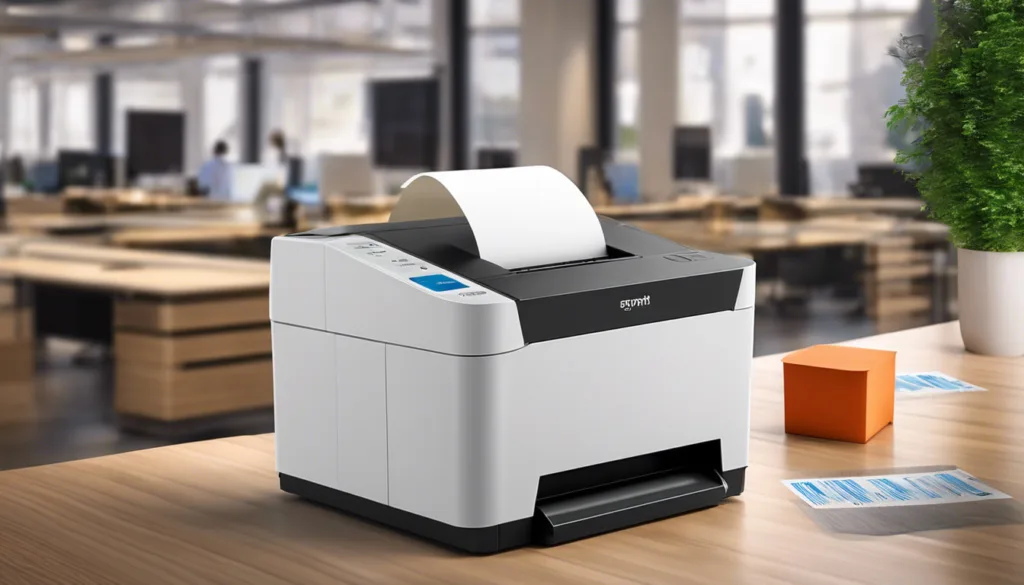
In the ever-evolving world of art and design, there’s a renaissance happening with a surprising medium: thermal paper. This material, commonly associated with receipts and point-of-sale systems, is finding new life in the hands of creative artists and designers. Let’s dive into this exciting movement and explore how thermal paper is being rediscovered for its unique beauty and versatility.
Historical Context
Origins of Thermal Paper
Thermal paper has a rich history rooted in business and technology. Initially developed for use in calculators and fax machines, it quickly became a staple in the retail and banking industries. Over time, its convenience and efficiency made it ubiquitous.
Initial Artistic Uses
The Attraction of Unconventional Materials
Artists have always been drawn to unconventional materials, seeking to push the boundaries of traditional art forms and explore new mediums. This quest for innovation has led to the discovery and adoption of various non-traditional materials throughout art history. Thermal paper, with its unique properties and industrial origins, has become one such medium that has captured the imagination of avant-garde artists.
Pioneering Experiments with Thermal Paper
The early experiments with thermal paper in art were marked by a spirit of curiosity and innovation. A few pioneering artists began to explore its potential, recognizing its sensitivity to heat and light as a unique characteristic that could be harnessed for creative expression. These artists often came from backgrounds in printmaking, photography, and experimental art, where the manipulation of materials played a crucial role in their practice.
Creating Ephemeral Art
One of the most compelling aspects of thermal paper is its ephemeral nature. Early adopters used simple tools like heated objects, such as metal rods or soldering irons, to draw directly onto the paper. This method allowed them to create spontaneous and organic designs that would appear almost magically on the surface. The heat would cause the paper to darken in varying intensities, resulting in intricate patterns and forms.
These ephemeral pieces often carried a sense of temporality and fragility, as the images could fade or change over time when exposed to light and varying temperatures. This characteristic became a central theme in many early thermal paper artworks, as artists explored concepts of impermanence and the transient nature of existence.
Exploring Light Sensitivity
In addition to heat, thermal paper is also sensitive to light, particularly ultraviolet (UV) light. Some early artists experimented with this property by exposing the paper to different light sources, creating photograms and other light-based artworks. By controlling the exposure time and intensity of the light, they could produce images with varying degrees of contrast and detail.
This technique allowed for the creation of ghostly, ethereal images that seemed to emerge from the paper itself. The interaction between light and thermal paper opened up new avenues for artistic exploration, blending elements of photography with the immediacy of drawing and printmaking.
Incorporating Thermal Paper into Mixed Media
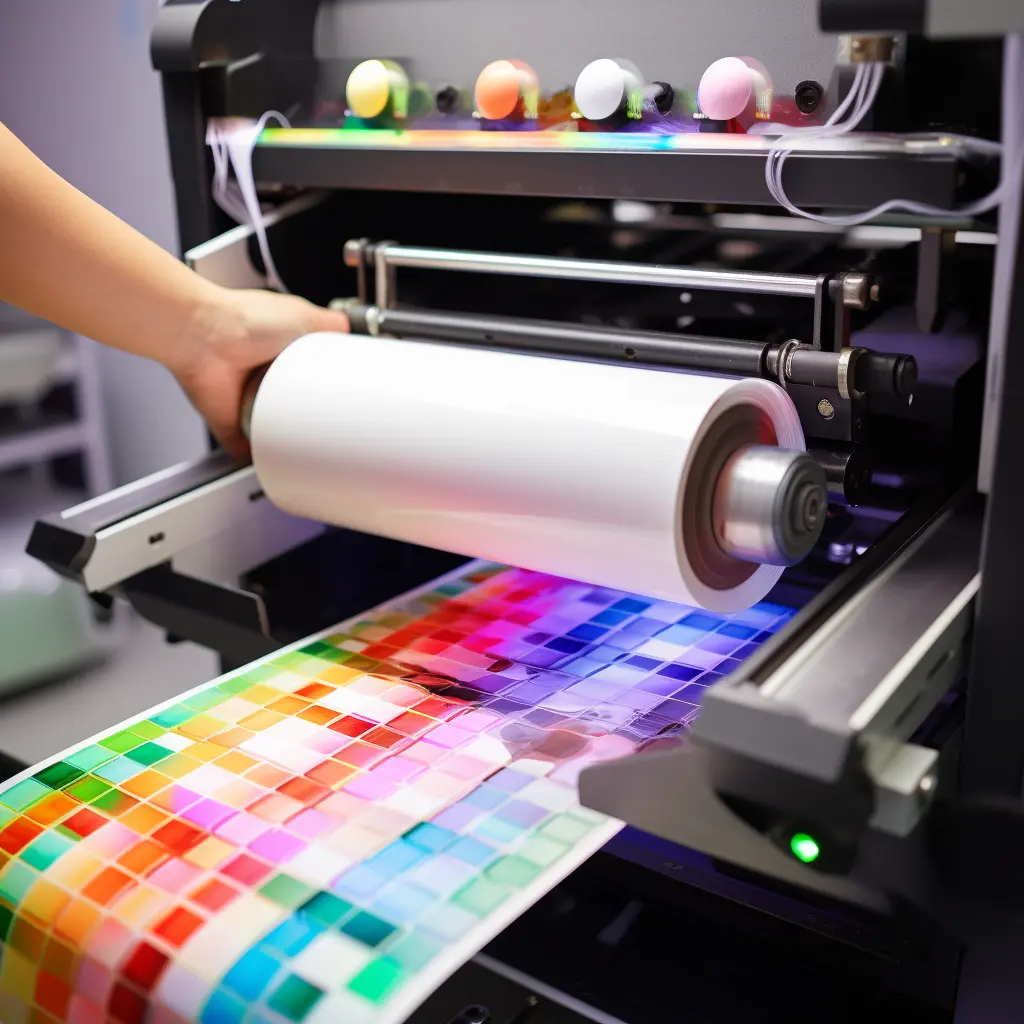
Another innovative approach taken by early thermal paper artists was to incorporate the material into mixed media works. By combining thermal paper with traditional art supplies such as paint, ink, and collage elements, they were able to create layered compositions that added depth and complexity to their work. This integration highlighted the versatility of thermal paper and its ability to complement and enhance other artistic mediums.
For example, an artist might use thermal paper as the base layer of a piece, drawing or printing an initial design with heat. They could then overlay the thermal paper with translucent materials or apply additional layers of paint, creating a multi-dimensional effect that played with light and shadow.
Early Exhibitions and Reception
These initial artistic uses of thermal paper began to garner attention within the art community. Early exhibitions featuring thermal paper works often highlighted the experimental nature of the medium and the innovative approaches of the artists involved. Critics and audiences were intrigued by the novelty of the material and the unique visual effects it produced.
The reception was generally positive, with many appreciating the boldness and creativity required to work with such an unconventional medium. These early experiments laid the foundation for the broader adoption of thermal paper in contemporary art, inspiring future generations of artists to explore its possibilities.
The early artistic uses of thermal paper were characterized by a spirit of experimentation and a willingness to embrace the medium’s unique properties. Pioneering artists discovered ways to manipulate heat and light to create ephemeral, captivating works that challenged traditional notions of permanence and artistic materials. These initial explorations set the stage for the ongoing renaissance of thermal paper in the art world, demonstrating its potential as a medium for creative expression and innovation.
Modern Applications in Art
Contemporary Artists and Their Work
Today’s artists are pushing the boundaries of thermal paper, transforming it from a mundane office supply into a medium of artistic expression. For instance, our collection of thermal paper features works from leading artists who use it to create intricate designs and dynamic images.
Techniques and Methods
Artists have developed a variety of techniques to work with thermal paper. Some use heat guns and styluses to draw, while others incorporate digital tools to manipulate the paper’s reactive surface. This blend of traditional and modern methods results in a unique fusion of technology and creativity.
Cultural Impact
Influence on Modern Art and Design
Thermal paper is making waves in the contemporary art scene. Its integration into various art movements highlights its versatility and appeal. From abstract pieces to detailed portraits, thermal paper’s ability to change color and texture opens up endless possibilities.
Public and Critical Reception
Exhibitions featuring thermal paper art have garnered attention and praise from critics and audiences alike. The dynamic and interactive nature of the medium often surprises viewers, drawing them into the artistic process. Our thermal paper collection has been showcased in several prominent galleries, highlighting its growing significance.
Technological Innovations
Advancements in Thermal Paper
Recent technological improvements have enhanced the quality and variety of thermal paper available to artists. New formulations are more durable and responsive, allowing for greater artistic control. This progress has expanded the potential uses of thermal paper in both art and design.
Tools and Equipment
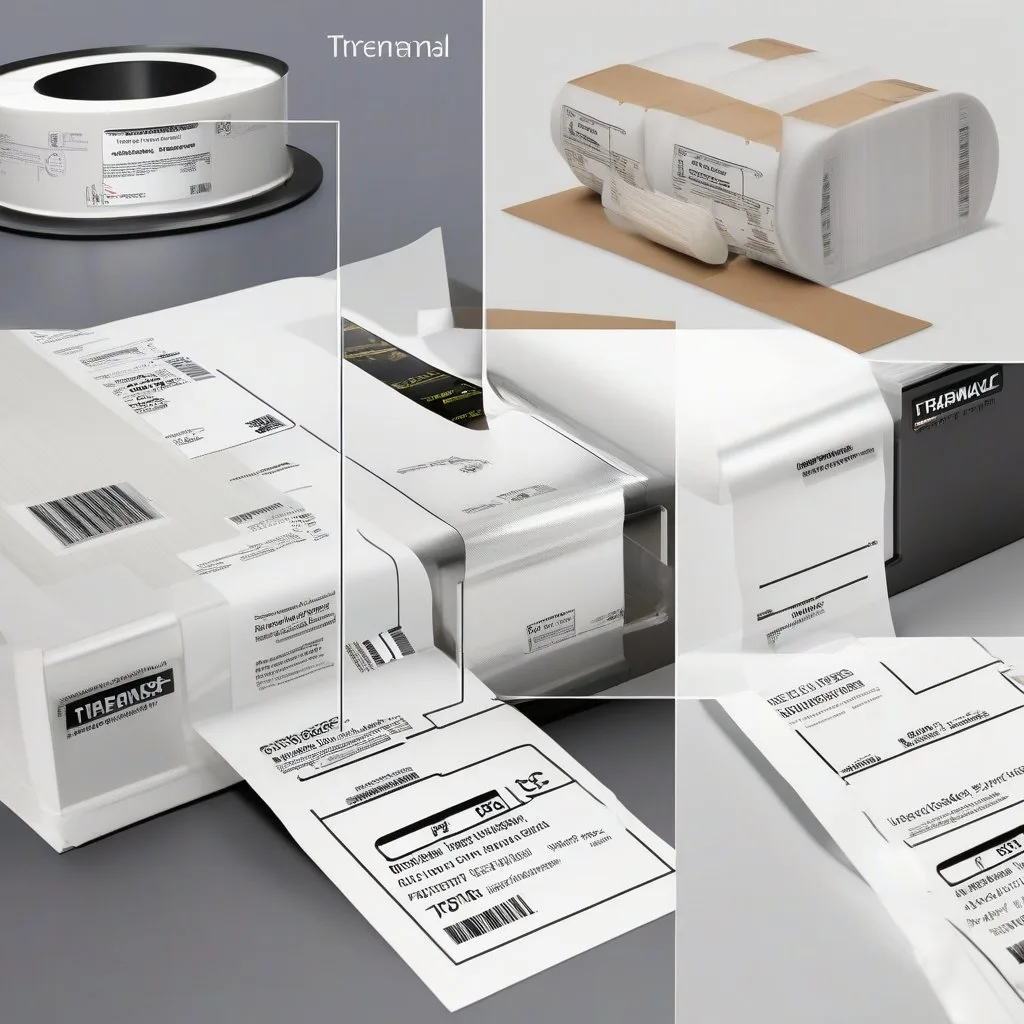
Modern artists utilize a range of tools to work with thermal paper. From specialized printers to handheld devices, the equipment available today allows for precise and intricate designs. Our thermal paper products are compatible with these tools, offering artists high-quality materials for their creations.
Case Studies
Notable Exhibitions
One notable exhibition featured thermal paper art in various forms, from large-scale installations to intimate, detailed works. The exhibition highlighted how artists use thermal paper to explore themes of impermanence and change, resonating deeply with contemporary audiences.
Artist Spotlights
Several pioneering artists have made significant contributions to the thermal paper art movement. Their innovative approaches and unique styles demonstrate the medium’s potential. For instance, one artist uses thermal paper to create portraits that change over time, challenging the viewer’s perception of permanence.
The Future of Thermal Paper Art
Emerging Trends
As thermal paper continues to gain traction, new trends are emerging. Artists are exploring its use in mixed media works, combining it with other materials to create multifaceted pieces. The environmental impact of thermal paper is also becoming a focus, with sustainable practices being integrated into the creative process.
Potential Challenges
Despite its growing popularity, thermal paper art faces challenges. Environmental concerns and the need for sustainable alternatives are pressing issues. Additionally, artists must navigate the limitations of the medium, finding innovative ways to overcome them.
Conclusion
Summary of Key Points
The resurgence of thermal paper in art and design is a testament to the creative spirit and the ability to find beauty in unexpected places. From its historical roots to its modern applications, thermal paper is being rediscovered and redefined by artists around the world.
Final Thoughts
As we continue to explore the possibilities of thermal paper, we encourage you to support and appreciate this unique medium. Visit our thermal paper collection to discover the innovative works being created and join us in celebrating this print renaissance.