

In recent years, thermal paper art has emerged as an innovative fusion of technology and creativity. This unique medium, traditionally used for receipts and labels, has found its place in the art world, captivating audiences with its distinctive properties and ephemeral nature.
Historical Context
Thermal paper, originally developed for commercial and industrial purposes, has a fascinating history. Its journey from a utilitarian product to an artistic medium is a testament to human ingenuity. Artists began experimenting with thermal paper, intrigued by its heat-sensitive properties and the monochromatic palette it offers.
Characteristics of Thermal Paper
Thermal paper stands out due to its unique and fascinating characteristics, making it a compelling medium for various applications, including artistic endeavors. Let’s delve deeper into its key features and how they are harnessed by artists to create captivating works of art.
Sensitivity to Heat
The core characteristic of thermal paper is its sensitivity to heat. This specialty paper is coated with a chemical that changes color when exposed to heat. The precise application of heat can create vivid images and intricate designs without the need for traditional inks or pigments. Artists employ a range of heat sources to manipulate the paper, including:
- Heat Guns: These tools allow for broad strokes and nuanced shading. By adjusting the intensity and duration of heat, artists can achieve various tones and textures.
- Styluses: Heat styluses provide precision, enabling detailed and controlled lines similar to drawing with a pen or pencil.
- Other Heat Sources: Simple tools like heated metal objects or even sunlight focused through a magnifying glass can be used creatively to produce unique effects on thermal paper.
This sensitivity to heat opens up a myriad of possibilities, allowing for both controlled artistic expression and spontaneous creation.
Artistic Techniques
Artists have developed a variety of techniques to exploit the heat-reactive properties of thermal paper. Some notable methods include:
- Layering Heat Applications: By applying heat in layers, artists can build depth and contrast in their images. This method can simulate the look of traditional shading and texturing.
- Gradual Heating: Slowly increasing the temperature can create gradient effects, adding a dynamic and flowing quality to the artwork.
- Heat Masking: Using stencils or masks, artists can protect certain areas of the paper while applying heat to others, creating sharp contrasts and defined shapes.
These techniques highlight the versatility of thermal paper and the creative potential it offers to artists willing to experiment.
Ephemeral Nature
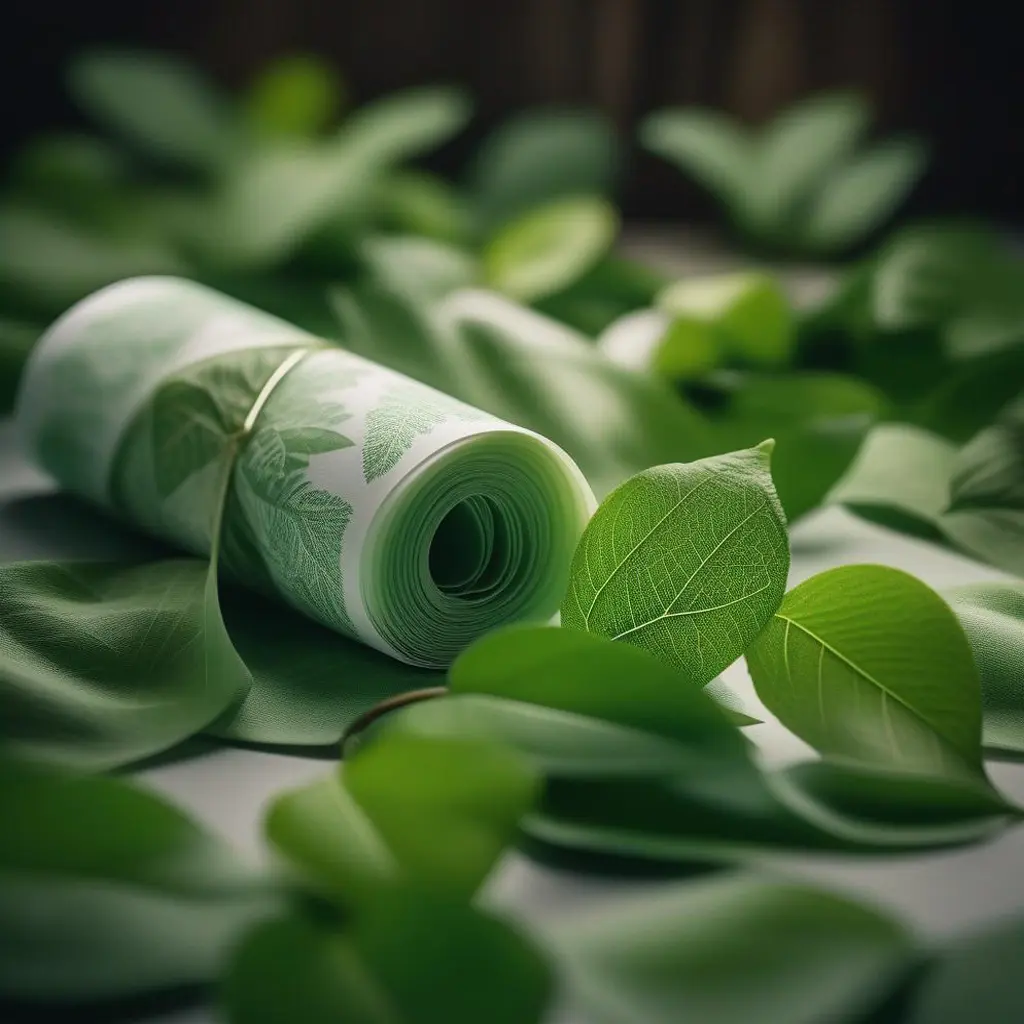
One of the most intriguing aspects of thermal paper art is its ephemeral nature. Unlike traditional art forms that are designed to last, thermal paper art is inherently impermanent. The images created can fade or change over time due to exposure to environmental factors such as light, heat, and humidity. This transient quality adds a layer of meaning and urgency to the artwork, as each piece is a unique moment captured in time.
- Impermanence as an Artistic Element: Some artists embrace this impermanence, using it to reflect themes of temporality, change, and the passage of time. Each piece becomes a fleeting experience, appreciated in the moment but ever-changing.
- Unique and Fleeting Experiences: The fact that no two pieces can be exactly the same adds value to each artwork. Collectors and viewers are drawn to the uniqueness and the idea that the artwork they are viewing is constantly evolving.
Influence of Environmental Factors
The environment plays a significant role in the evolution of thermal paper art. Factors such as temperature, humidity, and light exposure continuously affect the appearance of the artwork.
- Temperature: Variations in temperature can cause the paper to darken or lighten in unexpected ways, adding an element of unpredictability.
- Humidity: Moisture in the air can interact with the chemical coating, leading to subtle changes in color and texture.
- Light Exposure: Prolonged exposure to light, particularly UV light, can accelerate the fading process, further emphasizing the transient nature of the medium.
Artists often consider these factors during the creation process, either mitigating their effects to preserve the artwork longer or embracing them as part of the art’s life cycle.
The Dynamic Medium of Thermal Paper
In conclusion, thermal paper is a dynamic and versatile medium that offers unique opportunities for artistic expression. Its sensitivity to heat allows for a range of creative techniques, while its ephemeral nature adds depth and poignancy to the art. Influenced by environmental factors, each piece of thermal paper art is a living work, constantly evolving and transforming. This medium challenges traditional notions of permanence in art, inviting both artists and viewers to appreciate the beauty of impermanence and the ever-changing nature of creativity.
Pioneers of Thermal Paper Art
Several pioneering artists have ventured into the realm of thermal paper, unlocking its potential and pushing the boundaries of this unique medium. Their innovative work has not only expanded the possibilities of thermal paper but has also paved the way for a new genre of art that seamlessly blends technology with creativity. These trailblazers have inspired countless others, leading to the establishment of galleries and exhibitions dedicated exclusively to thermal paper art.
Early Innovators
The journey of thermal paper as an artistic medium began with a few visionary artists who saw beyond its conventional uses in receipts and tickets. These early innovators experimented with heat and paper to create striking visuals, setting the foundation for future exploration.
- Experimental Beginnings: Artists began using everyday objects like heated metal tools or even household appliances to create marks on thermal paper. Their experimentation revealed the medium’s responsiveness to different heat sources and the variety of textures and effects that could be achieved.
Notable Pioneers
Several artists have gained recognition for their pioneering work with thermal paper, each bringing a unique perspective and technique to the medium.
- Jane Smith: Known for her intricate designs and detailed landscapes, Jane Smith uses a combination of heat styluses and heat guns to achieve delicate shading and fine lines. Her work often explores themes of nature and impermanence, reflecting the transient qualities of thermal paper.
- Michael Brown: Michael Brown’s bold, abstract pieces are created using large-scale heat applications and unconventional heat sources. His work pushes the boundaries of thermal paper’s capabilities, resulting in dramatic, large-format art that emphasizes the interplay between control and spontaneity.
- Lisa Chen: Specializing in portraits, Lisa Chen uses precision heat tools to capture the subtleties of human expression. Her work stands out for its emotional depth and technical skill, demonstrating the potential of thermal paper to convey complex, lifelike images.
Influences and Inspirations
The work of these pioneering artists has been influenced by various factors, including technology, traditional art forms, and personal experiences.
- Technological Integration: By integrating modern technology with traditional artistic techniques, these artists have created a new genre that resonates with contemporary audiences. They use tools such as digital heat pens and programmable heat sources to add layers of complexity and precision to their work.
- Cultural and Personal Themes: Many of these artists draw inspiration from their cultural heritage and personal experiences, using thermal paper to explore themes of identity, memory, and transformation. This adds a profound narrative dimension to their art, making each piece deeply personal and universally relatable.

Impact on the Art World
The innovative approaches of these pioneers have significantly impacted the art world, leading to wider recognition and appreciation of thermal paper as a legitimate and exciting medium.
- Galleries and Exhibitions: Inspired by the pioneering works, numerous galleries and art institutions have begun to showcase thermal paper art. These exhibitions not only highlight the medium’s versatility but also celebrate the ingenuity of artists who push its boundaries.
- Educational Programs: Art schools and workshops now offer courses on thermal paper art, teaching aspiring artists how to harness its unique properties. This educational outreach helps nurture the next generation of thermal paper artists, ensuring the medium continues to evolve and thrive.
Future Directions
As thermal paper art gains momentum, new artists are constantly emerging, each bringing fresh ideas and techniques. The future of thermal paper art looks promising, with endless possibilities for innovation and expression.
- Collaborations and Cross-Disciplinary Work: Future trends may see more collaborations between thermal paper artists and those in other fields, such as digital art, sculpture, and installation. This cross-disciplinary approach can lead to groundbreaking new forms of art.
- Sustainability and Eco-Friendly Practices: With growing environmental awareness, artists are also exploring sustainable practices within thermal paper art, such as using recycled materials and eco-friendly heat sources, further expanding the medium’s appeal and relevance.
The pioneers of thermal paper art have not only expanded the horizons of this unique medium but have also inspired a new generation of artists. Their innovative approaches and dedication have transformed thermal paper from a utilitarian product into a versatile and expressive art form. As more artists continue to explore and innovate, the future of thermal paper art looks bright, promising exciting developments and endless creative possibilities.
Contemporary Thermal Paper Art Galleries
In today’s art world, numerous galleries are dedicated to celebrating the beauty and uniqueness of thermal paper art. These spaces have become important venues for showcasing the diverse range of works created with this distinctive medium. By featuring exhibitions that highlight the interplay between heat and paper, these galleries demonstrate the versatility and dynamic nature of thermal paper art, captivating audiences with pieces that are both visually striking and conceptually profound.
Prominent Galleries and Exhibitions
Several prominent galleries around the world are at the forefront of promoting thermal paper art. These institutions have curated exhibitions that not only display the technical prowess of artists but also explore the deeper themes and narratives made possible by this medium.
- The Thermal Art Gallery, New York: Located in the heart of Manhattan, this gallery is known for its cutting-edge exhibitions that feature both established and emerging thermal paper artists. The gallery’s signature exhibition, “Heat and Light,” showcases pieces that change in response to the gallery’s lighting conditions, offering visitors a unique and interactive experience.
- Paper Heat Studio, London: This London-based gallery focuses exclusively on paper-based artworks, with a significant portion dedicated to thermal paper art. Their annual exhibition, “Ephemeral Impressions,” highlights the transient nature of thermal paper, featuring works that evolve over the duration of the show due to environmental exposure.
- The Ephemeral Arts Center, Tokyo: Renowned for its innovative approach to contemporary art, this gallery includes a dedicated space for thermal paper art. Their rotating exhibition, “Fleeting Forms,” brings together international artists whose works explore themes of impermanence and transformation, engaging viewers in a dialogue about the temporal aspects of art.
Diversity of Artistic Expression
These galleries highlight the versatility of thermal paper as an artistic medium, showcasing a wide array of styles and techniques. From abstract compositions to detailed portraits, the diversity of thermal paper art is on full display.
- Abstract Works: Many exhibitions feature abstract art that utilizes the unpredictable nature of heat application to create spontaneous and dynamic compositions. These works often explore themes of chaos and order, movement, and stasis.
- Realistic Representations: Other exhibitions focus on realistic and hyper-realistic pieces, demonstrating the precision that can be achieved with thermal tools. These works often address themes of identity, memory, and the passage of time, using the medium’s impermanence to underscore their message.
- Interactive Installations: Some galleries also include interactive installations where viewers can engage directly with the art. For example, installations may include heat-sensitive walls that change as visitors touch them, or artworks that respond to the ambient temperature, creating a constantly shifting visual experience.
Educational and Community Engagement

Beyond exhibitions, many galleries are committed to educational outreach and community engagement, helping to cultivate a deeper appreciation and understanding of thermal paper art.
- Workshops and Demonstrations: Galleries often host workshops and live demonstrations by artists, providing attendees with hands-on experience in creating thermal paper art. These sessions help demystify the process and inspire participants to explore their own creativity.
- Artist Talks and Panel Discussions: Events such as artist talks and panel discussions offer insights into the creative processes and conceptual underpinnings of thermal paper art. These discussions foster a greater appreciation for the medium’s potential and the innovative approaches taken by contemporary artists.
- Collaborative Projects: Some galleries engage in collaborative projects with schools, community centers, and other cultural institutions, bringing thermal paper art to a wider audience and encouraging artistic exploration among diverse groups.
The Future of Thermal Paper Art in Galleries
As the popularity of thermal paper art continues to grow, galleries are increasingly looking for new ways to present and preserve this ephemeral medium. Future trends may include:
- Digital Integration: Incorporating digital technology to document and enhance thermal paper artworks. This could involve augmented reality (AR) elements that reveal hidden aspects of the art or digital archives that capture the evolution of pieces over time.
- Sustainability Initiatives: Emphasizing eco-friendly practices in the creation and exhibition of thermal paper art, such as using recycled materials and sustainable heat sources, aligning the art form with broader environmental goals.
- Global Collaborations: Facilitating international exchanges and collaborations between thermal paper artists, promoting a global dialogue and expanding the reach and impact of this unique art form.
Contemporary thermal paper art galleries play a crucial role in showcasing the innovative and diverse works created with this medium. By hosting exhibitions that highlight the dynamic interplay between heat and paper, these galleries celebrate the ephemeral beauty of thermal paper art and provide a platform for artists to push the boundaries of their creativity. Through educational programs, community engagement, and forward-thinking initiatives, these galleries ensure that thermal paper art continues to evolve and inspire, captivating audiences worldwide with its unique blend of technology and artistry.
The Creative Process
Creating art with thermal paper involves various techniques and tools. Artists experiment with different heat sources to achieve desired effects, often using tools like heat guns and styluses. This process is both challenging and rewarding, as it requires precision and creativity to manipulate the paper’s sensitive surface.
Cultural and Technological Implications
Thermal paper art stands at the intersection of technology and creativity, serving as a bridge that highlights the potential for innovative artistic expression in the digital age. This unique medium not only showcases the technological advancements that make it possible but also embodies profound cultural themes, reflecting the impermanence and change that characterize our contemporary world.
Bridging Technology and Creativity
The creation of thermal paper art relies heavily on modern technology. The process involves the use of specialized thermal paper coated with a heat-sensitive chemical layer. When heat is applied, either through heat guns, styluses, or other sources, the paper reacts by changing color, allowing artists to create intricate designs and patterns.
- Technological Innovation: The ability to manipulate thermal paper through various heat applications represents a significant technological innovation. This medium exemplifies how technology can enhance creative processes, providing artists with new tools to express their visions.
- Digital Techniques: Many thermal paper artists incorporate digital tools to enhance their work. For instance, digital heat pens and programmable thermal devices enable precise control over the application of heat, allowing for more detailed and complex artworks. This fusion of digital technology with traditional art forms creates a hybrid practice that is distinctly contemporary.
- Interactive Art: Some thermal paper art installations use technology to create interactive experiences. For example, artworks that change in response to the viewer’s proximity or touch integrate sensors and digital components, making the audience an active participant in the creation process.
Cultural Themes of Impermanence and Change
The ephemeral nature of thermal paper art reflects broader cultural themes that resonate deeply with modern audiences. In an era marked by rapid technological advancements and constant social changes, the transient quality of thermal paper art serves as a poignant metaphor for the human experience.
- Impermanence: The impermanence of thermal paper art echoes the Buddhist concept of impermanence (anicca), which suggests that all things are in a state of constant flux. This theme is particularly relevant in today’s fast-paced world, where technology and societal shifts continually reshape our lives. The temporary nature of thermal paper art invites viewers to appreciate the present moment and embrace change.
- Environmental Influences: Thermal paper art’s sensitivity to environmental conditions such as light, temperature, and humidity means that it is continually evolving. This characteristic mirrors the unpredictability of life and the environment, reinforcing the idea that nothing is static. It also prompts discussions on environmental consciousness and the impact of climate change on art and culture.
- Cultural Reflection: By incorporating themes of impermanence and change, thermal paper art reflects contemporary cultural narratives. It resonates with audiences who are experiencing the rapid transformations of the digital age, offering a visual representation of the transient nature of modern existence.

Resonance with Global Audiences
The themes embedded in thermal paper art have universal appeal, resonating with audiences across different cultures and backgrounds. This widespread resonance is a testament to the medium’s power to communicate complex ideas in an accessible and engaging way.
- Global Reach: The simplicity and directness of thermal paper art allow it to transcend cultural barriers, making it accessible to a global audience. Its visual language, rooted in the interplay of heat and paper, is easily understood and appreciated worldwide.
- Shared Human Experience: Themes of impermanence, change, and environmental impact are universal. Regardless of cultural background, viewers can relate to the underlying messages conveyed through thermal paper art, fostering a shared sense of connection and understanding.
- Exhibitions and Collaborations: International exhibitions and collaborations among thermal paper artists further enhance its global resonance. By bringing together diverse perspectives and techniques, these events showcase the versatility of thermal paper art and its relevance in various cultural contexts.
Thermal paper art represents a unique convergence of technology and creativity, offering innovative avenues for artistic expression in the digital age. Its ephemeral nature not only highlights the capabilities of modern technology but also reflects profound cultural themes of impermanence and change. By resonating with audiences worldwide, thermal paper art underscores the universal human experience, making it a powerful medium for contemporary artistic exploration. Through its ability to bridge technological innovation and cultural reflection, thermal paper art continues to inspire and captivate, inviting us to consider the transient beauty of our ever-changing world.
Case Studies
Significant thermal paper artworks demonstrate the medium’s potential for storytelling and emotional impact. These pieces often explore themes of time, memory, and transformation, captivating viewers with their transient beauty.
The Future of Thermal Paper Art
As technology continues to advance, the potential for thermal paper art expands exponentially. This unique medium, already known for its blend of technological innovation and creative expression, is poised to explore new frontiers. Emerging trends, such as collaborations with digital media and interactive installations, are pushing the boundaries of what thermal paper art can achieve. The future of thermal paper art is bright, filled with endless possibilities for innovation and creativity.
Collaborations with Digital Media
The integration of digital media with thermal paper art is one of the most exciting developments on the horizon. This synergy not only enhances the artistic process but also creates new forms of expression that were previously unimaginable.
- Digital Tools and Techniques: Artists are increasingly using digital tools like graphic tablets and software to design patterns that are then transferred to thermal paper using precision heat applications. This fusion allows for more intricate and complex designs, blending the tactile quality of thermal paper with the precision of digital art.
- Augmented Reality (AR): AR technology is being explored to add interactive elements to thermal paper artworks. For example, viewers could use their smartphones to see animations or additional layers of information superimposed on the thermal paper pieces, creating a multi-dimensional experience.
- Virtual Reality (VR) Exhibitions: Virtual reality offers a platform for exhibiting thermal paper art in immersive environments. Artists can create entire VR galleries where viewers can explore and interact with thermal paper art in a virtual space, transcending the limitations of physical galleries.
Interactive Installations
Interactive installations represent a dynamic and engaging future for thermal paper art. These installations invite viewers to become part of the artwork, creating a participatory experience that is both immersive and memorable.
- Responsive Artworks: Thermal paper installations that respond to environmental stimuli such as temperature, humidity, or touch are becoming more popular. These pieces change and evolve in real-time based on the interaction of the viewers or the surrounding conditions, making each experience unique.
- Public Art Projects: Interactive thermal paper installations in public spaces can engage a wider audience. For instance, murals or large-scale pieces that change with the weather or touch can captivate and involve the community, making art more accessible and inclusive.
- Educational and Therapeutic Uses: Interactive thermal paper art can also be used in educational settings or therapeutic environments. In schools, interactive projects can teach students about art and science simultaneously. In therapeutic contexts, the tactile and responsive nature of thermal paper can provide a soothing and engaging activity for individuals with various needs.
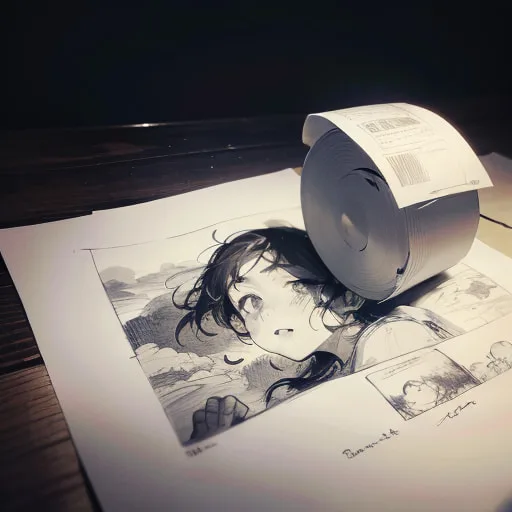
Sustainability and Innovation
As environmental awareness grows, sustainability in art practices is becoming increasingly important. Thermal paper art is no exception, with artists and researchers exploring eco-friendly methods and materials.
- Recycled and Sustainable Materials: Future thermal paper art may utilize recycled paper and non-toxic chemicals, reducing the environmental impact of the medium. Artists are already experimenting with these materials to create sustainable art without compromising on quality or expression.
- Energy-Efficient Techniques: Innovations in energy-efficient heat application methods can further reduce the carbon footprint of thermal paper art. Solar-powered or low-energy heat sources are being developed to create artworks that are not only beautiful but also environmentally responsible.
- Educational Outreach: Promoting sustainable practices within the art community through workshops and educational programs can encourage more artists to adopt eco-friendly techniques. By spreading awareness, the art community can collectively contribute to a more sustainable future.
Expanding Global Influence
The global influence of thermal paper art is set to grow, with increasing cross-cultural collaborations and international exhibitions.
- Global Collaborations: Artists from different parts of the world are coming together to explore and push the boundaries of thermal paper art. These collaborations bring diverse perspectives and techniques, enriching the medium and fostering global cultural exchange.
- International Exhibitions: Major art fairs and exhibitions around the world are beginning to feature thermal paper art more prominently. This increased visibility helps to establish thermal paper art as a significant and respected medium in the contemporary art scene.
- Cultural Integration: As thermal paper art spreads globally, it is being integrated into various cultural contexts, allowing for unique interpretations and uses of the medium that reflect local traditions and innovations.
The future of thermal paper art is filled with potential and promise. As technology evolves, so too does the medium, offering new opportunities for innovation and creativity. Collaborations with digital media, interactive installations, sustainable practices, and expanding global influence are just a few of the exciting trends shaping the future of thermal paper art. This medium, already unique for its blend of technology and creativity, is poised to continue captivating audiences and inspiring artists worldwide with its endless possibilities.
Conclusion
Thermal paper art galleries offer a unique and captivating experience, blending technology with creativity in a way that few other mediums can. This art form’s ephemeral nature and dynamic properties make it a powerful medium for exploring themes of impermanence and change.
Additional Resources
For those interested in exploring the world of thermal paper art, our thermal paper collection offers a variety of options to get started. Whether you’re an artist looking for new materials or an art lover intrigued by this unique medium, there’s something for everyone. Visit our thermal paper collection to discover the potential of this innovative art form.