

Thermal paper, with its wide-ranging applications in our daily lives, has become an integral part of modern businesses. From point-of-sale (POS) receipts to shipping labels, lottery tickets to parking permits, this paper is everywhere. However, its ubiquity comes at an environmental cost. In this article, we explore the environmental sustainability of thermal paper and the innovative approaches that can help reduce waste and lower its carbon footprint. Let’s delve into the world of thermal paper and discover how we can make it more eco-friendly.
The Environmental Impact of Thermal Paper
Thermal paper, a ubiquitous product in our daily lives, is composed of several key components, including a base paper, a thermal coating, and often a protective layer. It’s the thermal coating that plays a pivotal role in thermal paper, reacting to heat and creating the images and text we encounter on our receipts and labels. While this technology has undoubtedly revolutionized printing processes, it has also given rise to significant environmental concerns that warrant closer examination.
The primary environmental concerns surrounding thermal paper primarily revolve around the chemicals used in the thermal coating. One of the most prominent issues is the inclusion of chemicals like bisphenol A (BPA) and its alternative bisphenol S (BPS). Both of these substances have been linked to various health issues and are known to cause environmental harm. BPA, in particular, has raised concerns due to its endocrine-disrupting properties, potentially affecting human health and the ecosystem.
Moreover, the carbon footprint associated with the entire lifecycle of thermal paper production is noteworthy. This encompasses everything from the extraction of raw materials to the manufacturing processes and transportation. The significant energy consumption and greenhouse gas emissions throughout this lifecycle contribute to the environmental impact of thermal paper.
It’s imperative that we recognize these concerns and work toward more sustainable alternatives and practices in the thermal paper industry. Finding ways to reduce or eliminate harmful chemicals in thermal coatings and adopting eco-friendly production methods are steps in the right direction. Additionally, responsible disposal and recycling of thermal paper can help mitigate its impact on the environment. Awareness and concerted efforts can lead to a more sustainable and environmentally friendly thermal paper industry.
Innovative Approaches to Sustainable Thermal Paper
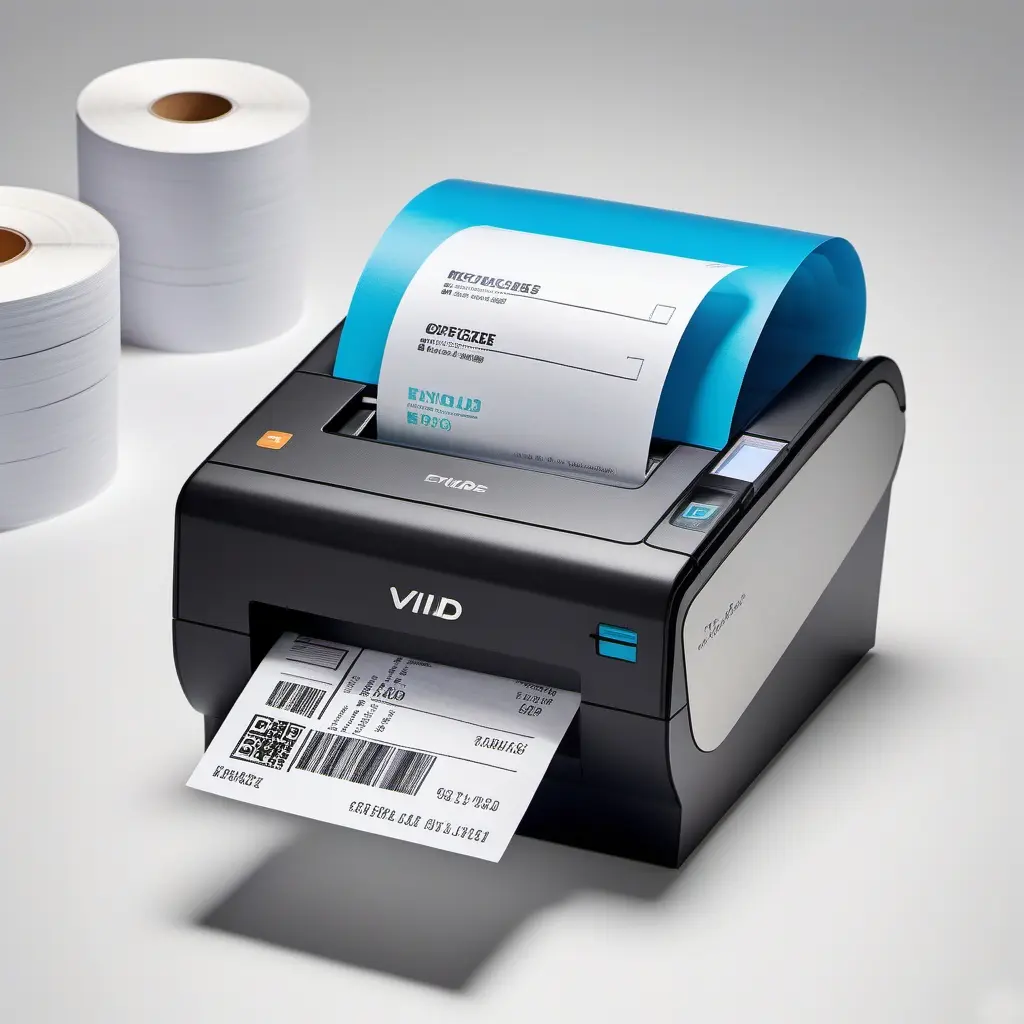
As the awareness of environmental issues continues to grow, so does the demand for sustainable alternatives in various industries, including the thermal paper sector. In recent years, innovative approaches have emerged to address the environmental impact of thermal paper.
Eco-Friendly Alternatives
A notable advancement in the realm of sustainable thermal paper is the development of eco-friendly alternatives. These alternatives aim to replace the conventional thermal coatings that contain chemicals like bisphenol A (BPA) or bisphenol S (BPS) with more environmentally friendly options. The adoption of such alternatives is a significant step forward in reducing the ecological footprint of thermal paper production and usage.
These eco-friendly thermal papers often employ innovative coatings that are free from harmful chemicals. Some even go a step further by using soy-based inks, which not only enhance the paper’s sustainability but also contribute to reduced environmental impact during the printing process. These alternatives are not only less harmful to human health and the environment but also align with the growing demand for green and sustainable products.
Explore our eco-friendly thermal paper options
Recycling and Reusability
Another pivotal approach to mitigate the environmental impact of thermal paper is through the promotion of recycling and reusability. Recycling programs and initiatives are gaining momentum, encouraging the collection and processing of used thermal paper. This reclaimed thermal paper can be utilized in various ways, thus reducing the demand for new raw materials.
Many organizations are actively involved in these recycling efforts. They collect used thermal paper from various sources and process it into new products, helping to close the materials loop and minimize waste. Alternatively, recycled thermal paper can find applications in less critical or non-sensitive areas, reducing the need for virgin paper production.
By focusing on recycling and reusability, the thermal paper industry can significantly reduce its carbon footprint and contribute to a more sustainable approach. This approach not only conserves valuable resources but also diverts waste from landfills, which is a crucial step in addressing environmental concerns.
In conclusion, innovative approaches to sustainable thermal paper, such as eco-friendly alternatives and recycling initiatives, are transforming the industry toward a more environmentally responsible future. As consumers become more conscious of their ecological footprint, these efforts are aligned with the broader shift towards sustainability and responsible consumption.
Carbon Offsetting
One of the most exciting and impactful developments in the pursuit of sustainability is the adoption of carbon offset programs. These programs offer companies the opportunity to invest in initiatives that effectively neutralize their carbon emissions. When you’re in the market for thermal paper, it’s wise to consider supporting brands that are part of such programs.
Carbon offset initiatives encompass a range of projects, from reforestation efforts to renewable energy ventures. These endeavors aim to counterbalance the carbon emissions produced during the paper’s lifecycle. By choosing thermal paper from brands that actively engage in carbon offset programs, you’re advocating for a cleaner, greener future.
In conclusion, innovative approaches to sustainable thermal paper encompass a spectrum of strategies, from eco-friendly alternatives and recycling efforts to carbon offset programs. Your choices as a consumer play a significant role in shaping the industry’s direction. By supporting these sustainable practices, you’re contributing to a more environmentally responsible and eco-conscious future for the thermal paper industry and beyond. Your decisions hold the power to make a positive impact on our environment and the sustainability of thermal paper products.
Reducing Paper Waste
In our pursuit of sustainability, it’s crucial to explore strategies for reducing paper waste. Let’s delve deeper into some innovative approaches that can make a substantial difference:
Digital Alternatives
One of the most effective ways to curtail paper waste is by embracing digital alternatives. The transition from physical receipts to digital receipts, for instance, can have a transformative impact on paper consumption. In today’s technology-driven world, digital receipts not only offer convenience but also significantly reduce the need for paper production.
Digital receipts are not limited to retail transactions alone. Many industries, including finance and healthcare, are adopting digital documentation as a sustainable choice. By doing so, they minimize the reliance on traditional paper-based record-keeping, reducing the environmental impact associated with paper manufacturing.
The advantages of digital alternatives extend beyond paper conservation. They also facilitate efficient organization, easy retrieval of information, and reduce clutter. Moreover, digital solutions contribute to the conservation of forests, as the demand for paper decreases. By actively choosing digital alternatives in your day-to-day operations, you play a part in creating a paper-light and eco-friendly future.
Efficient Printing Practices
Opting for efficient printing methods is another key strategy in the quest to reduce paper waste. Embrace technologies that enable double-sided printing, also known as duplex printing. This approach minimizes paper consumption by utilizing both sides of each sheet. It’s a simple yet highly effective way to cut down on paper usage in the office or at home.
In addition to duplex printing, consider implementing print management software. This technology allows organizations to track and control their printing activities. With print management software, unnecessary or wasteful printing can be identified and reduced. It empowers businesses and individuals to make informed choices about when and what to print, ultimately leading to less paper waste.
Efficient printing practices are not only environmentally responsible but also cost-effective. They reduce expenses related to paper and ink while promoting a culture of sustainability. By integrating these practices into your printing routines, you contribute to the broader goal of responsible resource management and waste reduction.
Reducing paper waste is a fundamental step towards a more sustainable future. Embracing digital alternatives and adopting efficient printing practices are actionable strategies that individuals and organizations can implement today. By making these conscious choices, you actively participate in the global efforts to conserve resources, minimize environmental impact, and create a more eco-friendly and efficient world. Your commitment to reducing paper waste matters and can inspire positive change on a larger scale.
Carbon Footprint Reduction

As our awareness of environmental concerns grows, the thermal paper industry is making significant strides towards reducing its carbon footprint. Let’s explore some innovative approaches that are shaping this transformation:
Renewable Energy Integration
One of the most impactful ways the thermal paper industry is addressing its carbon footprint is through the adoption of renewable energy sources. Companies are increasingly turning to clean energy solutions, such as wind, solar, and hydroelectric power, to fuel their operations. This shift not only showcases a commitment to sustainability but also significantly reduces the carbon emissions associated with traditional energy sources.
By harnessing the power of renewable energy, the thermal paper industry is taking a giant leap towards a more eco-friendly production process. This transition aligns with global efforts to combat climate change and underscores the industry’s responsibility in reducing its environmental impact. It’s not just a greener choice; it’s a step towards a cleaner and healthier planet.
Embracing Sustainable Practices
The journey to reduce the carbon footprint extends beyond energy sources and encompasses sustainable practices throughout the supply chain. This comprehensive approach begins with responsible sourcing of raw materials. Companies are increasingly prioritizing suppliers that adhere to sustainable forestry and logging practices. This ensures that the paper used in thermal paper production comes from well-managed forests, reducing deforestation and its associated carbon emissions.
Furthermore, sustainable practices are integral to every stage of manufacturing. Reducing energy consumption is a primary focus. Manufacturers are investing in energy-efficient technologies and processes to minimize their environmental impact. This not only lowers carbon emissions but also contributes to cost savings, creating a win-win situation.
Waste reduction and recycling initiatives play a crucial role as well. The thermal paper industry is actively seeking ways to minimize waste generation and enhance recycling processes. By repurposing waste materials and reducing landfill contributions, companies are further diminishing their carbon footprint.
The thermal paper industry’s commitment to reducing its carbon footprint is exemplified by its embrace of renewable energy and sustainable practices. These initiatives are not just ethical choices; they are strategic investments in a more environmentally responsible and economically efficient future. By prioritizing sustainability in every aspect of the supply chain, from sourcing to production and waste management, the industry is taking significant steps towards a greener and cleaner world. Your support of these efforts by choosing sustainable thermal paper options contributes to a more sustainable and responsible future for all.
The Role of Consumer Awareness
In the quest for environmental sustainability, consumers wield remarkable influence. Their choices and preferences can steer industries toward more eco-friendly practices. Let’s delve into the pivotal role that consumer awareness plays in shaping a greener future:
Informed Choices
Consumer awareness begins with being well-informed. When you, as a consumer, educate yourself about the environmental impact of products, you gain the knowledge needed to make informed choices. In the case of thermal paper, understanding the materials and practices involved in its production is crucial.
Thermal paper products often come with sustainability certifications and labels. These certifications indicate that a product meets specific environmental criteria, such as responsible sourcing of materials and reduced carbon emissions. By actively seeking out thermal paper products with these certifications, you direct your support towards environmentally responsible brands.
Supporting Sustainable Brands
One of the most impactful ways consumers can promote environmental sustainability is by supporting brands that prioritize eco-friendly practices. When you choose thermal paper products from companies with a demonstrated commitment to sustainability, you send a clear message that environmental responsibility matters to you.
Sustainable brands go the extra mile to reduce their carbon footprint, use eco-friendly coatings, and implement responsible sourcing in their supply chains. By opting for their products, you not only endorse their efforts but also encourage other businesses to follow suit. Your purchasing decisions have the power to create a domino effect, prompting more industries to adopt greener practices.
Certifications and Labels
Many thermal paper products come with sustainability certifications and labels. These labels, such as FSC (Forest Stewardship Council) certification or the Green Seal, provide assurance that the product meets rigorous environmental standards. They also serve as a reliable guide for consumers seeking eco-friendly options.
FSC certification, for example, signifies that the paper used in the product comes from responsibly managed forests. This not only supports sustainable forestry but also helps combat deforestation, a significant contributor to carbon emissions.
Consumer awareness is a catalyst for positive change in the pursuit of environmental sustainability. Your informed choices and support for sustainable brands set the stage for a more eco-conscious marketplace. By seeking out products with sustainability certifications and labels, you align your purchasing power with your values, fostering a greener and more responsible future. Your role as an environmentally conscious consumer is pivotal, as it influences industries and encourages a shift towards sustainable practices.
Challenges and Future Prospects
The transition to sustainable thermal paper is undoubtedly promising, but it’s not free from its set of challenges. These hurdles, including cost factors, industry-wide adoption, and regulatory complexities, need to be addressed collectively to pave the way for a greener future. Let’s delve into these challenges and explore the future prospects:
1. Cost Considerations:
One of the primary challenges in the shift toward sustainable thermal paper is the cost factor. Eco-friendly alternatives and sustainable practices often require investments in new technologies and materials. While these upfront costs can be a deterrent for some businesses, it’s important to recognize that long-term benefits, both environmental and economic, outweigh the initial expenses. Finding cost-effective solutions without compromising sustainability is a key consideration.
2. Industry-Wide Adoption:
Achieving widespread adoption of sustainable practices across the thermal paper industry is another hurdle. It necessitates a collective commitment from manufacturers, suppliers, and consumers. Collaborative efforts, industry standards, and shared best practices can help streamline the adoption of environmentally responsible approaches.
3. Regulatory Complexities:
Navigating the regulatory landscape, which varies from region to region, can be complex. Ensuring compliance with environmental regulations and standards while maintaining product quality is a delicate balance. Engaging with regulatory bodies, staying updated on evolving guidelines, and proactively addressing compliance issues are essential steps in overcoming this challenge.
4. Consumer Awareness:
While consumers can drive change, not everyone is equally informed about the environmental impact of thermal paper. Increasing consumer awareness through education and effective communication is vital. Businesses and organizations can play a role in informing their customers about the choices available and the importance of selecting eco-friendly options.
Future Prospects:
Despite these challenges, the prospects for sustainable thermal paper are encouraging. As businesses and consumers increasingly prioritize sustainability, the demand for eco-friendly thermal paper alternatives will grow. This rising demand can lead to innovations and cost reductions in sustainable practices, making them more accessible.
Moreover, the emergence of technology and digital alternatives will continue to influence the thermal paper industry. As more businesses transition to digital receipts and reduce paper consumption, the need for thermal paper may evolve, potentially reducing its environmental impact.
Explore our selection of eco-friendly thermal paper products and join the journey toward a greener future.
Remember, every small change can make a big difference in reducing waste and the carbon footprint associated with thermal paper. Together, we can make a positive impact on the environment.