

or important labels on products will stand the test of time, you’re not alone. In a world filled with printed documents, the longevity of thermal paper becomes a pressing concern.
Understanding the Secrets of Thermal Paper
Thermal paper, the unsung hero behind the scenes, plays a pivotal role in numerous industries, from retail to healthcare. What’s the secret to its magic? It doesn’t rely on ink or ribbons to create prints; instead, it harnesses heat-sensitive chemicals that react when exposed to heat. This reaction generates the text or images you see, making it ideal for devices like cash registers, point-of-sale systems, and label printers.
What Lies Beneath: The Composition of Thermal Paper
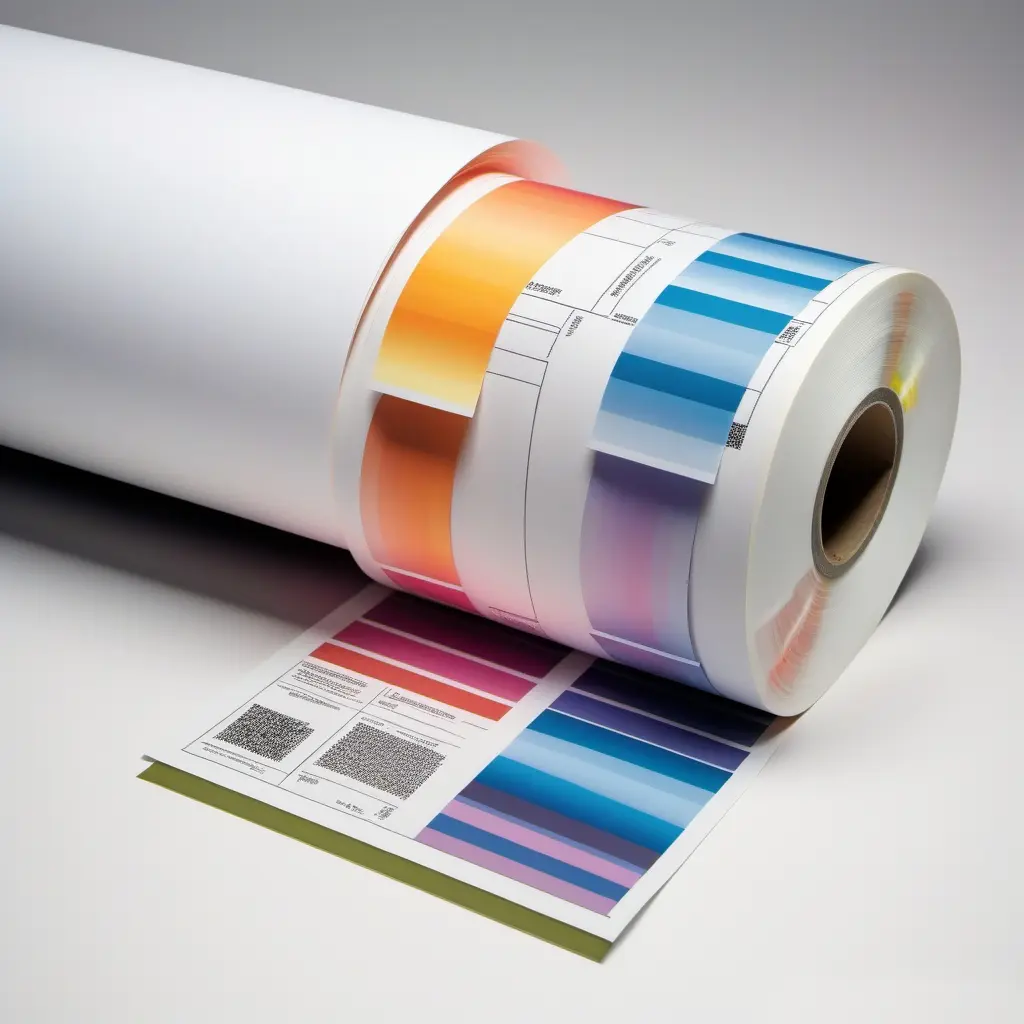
Before we embark on our quest to understand the enigmatic realm of thermal paper fading, let’s embark on a journey to unveil the layers, much like peeling back the mysteries of an onion. At the heart of thermal paper’s magic lies a trio of vital components, each with a unique role to play:
- Thermal Coating: Behold the birthplace of enchantment! Here, within the realms of the thermal coating, the extraordinary unfolds. This layer harbors the very essence of heat-sensitive chemicals, akin to a modern-day alchemist’s brew. When exposed to heat, they undergo a remarkable transformation, conjuring the text and graphics we encounter daily. It’s a stage where ordinary paper transcends into something extraordinary.
- Base Paper: The thermal coating, however enchanting, requires a steadfast ally to realize its full potential. Enter the base paper – the unsung hero that provides the canvas for this thermal masterpiece. It’s the foundational pillar that lends structural integrity and support, ensuring that every print emerges with impeccable clarity.
- Overcoat: Nature can be a formidable adversary. To shield the thermal layer from the unpredictable forces of the environment, an overcoat takes center stage. This guardian layer is a sentinel, unwavering in its duty to protect the longevity and legibility of the printed wonders. Rain or shine, heat or humidity, the overcoat stands as a stalwart protector.
With these elements unveiled, we are now poised to venture into the fascinating world of thermal paper fading, where we’ll uncover the secrets that lie beyond the surface of this ingenious creation.
Before we embark on our quest to understand the enigmatic realm of thermal paper fading, let’s embark on a journey to unveil the layers, much like peeling back the mysteries of an onion. At the heart of thermal paper’s magic lies a trio of vital components, each with a
The Puzzle of Thermal Paper Longevity
The burning question echoes like a distant whisper – does thermal paper yield to the inexorable passage of time? The answer, my curious friends, lies in the intricate interplay of a multitude of factors, painting a nuanced canvas where shades of gray prevail over stark black and white. Let’s embark on this journey of discovery, peeling back the layers that influence the lifespan of this unassuming yet indispensable marvel.
Storage Conditions: The Silent Sentinel
Imagine your thermal paper as a delicate manuscript, a work of art that demands a protective sanctuary. Where you choose to store it is the paramount sentinel of its longevity. Excessive exposure to heat, the relentless embrace of humidity, or the unyielding gaze of direct sunlight can transform your paper from a pristine canvas into a fragile relic. If you have thermal paper languishing in the oppressive grip of a sweltering, muggy environment, heed the call for reconsideration.
Proper storage isn’t just a suggestion; it’s the custodian of your thermal paper’s integrity. It’s the fortress that guards against the relentless siege of environmental adversities.
Chemical Reactions: The Alchemical Dance
In the heart of thermal paper’s thermal coating lies an alchemical dance, a symphony of heat-sensitive chemicals orchestrating a mesmerizing transformation. But, alas, time is both an ally and a foe. Over its gentle passage, these chemicals may undergo changes, fading in their brilliance. The result? A diminished ability to craft prints that sing with clarity and legibility.
To thwart this inevitable march of chemical time, you must provide a haven, a shelter where these compounds can rest undisturbed.
Print Density: The Dark and the Light
If you’re a maestro with a thermal printer, the density of your prints wields a profound influence. It’s a balance as delicate as a spider’s silk. High-density prints, while rich and bold, can push the thermal paper to unveil its secrets prematurely. The result? Darkening and fading, leading to a potentially curtailed lifespan.
Abrasion: Handle with Caution
Imagine your thermal paper as an ancient manuscript, fragile yet invaluable. Handle it roughly, and you risk abrasion of the delicate thermal coating. Over time, this abrasion leads to a gradual erosion of its efficacy.
Gentle care, my dear readers, is the golden rule. Treat it with the reverence it deserves, and your thermal paper shall unfold its wonders for an extended encore.
The lifespan of thermal paper is a complex symphony, with each note representing a crucial element in preserving its magic. Through the understanding of these factors, we become the custodians of this silent hero’s enduring legacy.
The Consequences of Using Faded Thermal Paper
In the realm of thermal paper, the consequences of its fading are akin to a silent, creeping shadow that casts its veil over your precious prints. Using thermal paper that has surpassed its zenith can unravel a cascade of disheartening repercussions.
Faded, Illegible Prints: The Shroud of Ambiguity
The first, and perhaps most immediate, consequence is the fading of prints. Text and images, once crisp and vibrant, metamorphose into ghostly remnants of their former selves. The inky darkness turns pale, and the once-clear lines blur into ambiguity. Legibility becomes a distant memory, and the content that was once vital turns into an enigmatic puzzle.
This transformation is more than a mere aesthetic concern. In various sectors where the information on thermal paper holds significance, such as retail, healthcare, and legal documentation, faded prints can lead to misinterpretations, confusion, and potentially grave errors.
Complete Failure to Produce: The Abyss of Silence
As thermal paper ages and fades, it can reach a point where it refuses to yield any text or images at all. It’s as if the paper has become a mute witness, incapable of articulating the data it once cradled. In settings where the generation of receipts, labels, or records is not a mere convenience but a legal requirement, this can be catastrophic.
Consider a point-of-sale system in a retail store, where accurate receipts are not only a customer’s right but also a legal obligation. Or think about the healthcare sector, where patient records, prescriptions, and diagnostic reports are archived on thermal paper. The inability to produce such critical documents can not only result in legal repercussions but can also jeopardize the well-being of individuals.
Archival and Legal Predicaments: A Maze of Complexities
In many industries, particularly those governed by stringent regulations and compliance standards, the use of thermal paper is accompanied by the implicit expectation of durability. There’s often a legal mandate to maintain records for extended periods, and these records must remain legible and intact. Faded thermal paper, with its diminishing text and images, plunges organizations into a maze of legal and archival complexities.
The consequences of faded thermal paper extend beyond aesthetics; they delve into the heart of functionality, compliance, and accountability. It serves as a stark reminder that in our increasingly digital world, the tangible and seemingly mundane realm of thermal paper plays an indispensable role. The legibility and permanence of these unassuming prints can influence critical decisions, legal standing, and the course of business operations.
Wrap-Up: The Legacy of Thermal Paper
In the realm of thermal paper, as we wrap up our journey through its intricacies, the profound significance of whether thermal paper fades becomes crystal clear. It transcends the realm of trivial curiosity and delves into the core of practicality and real-world implications. For businesses, institutions, and individuals relying on the clarity and longevity of printed documents, this is not a mere academic query but a matter of paramount importance.
A Holistic Understanding
A deeper comprehension of the myriad factors influencing thermal paper’s lifespan empowers us to make informed choices. It’s not just about understanding the composition of thermal paper, but also about recognizing the environmental factors that can shape its destiny. The pivotal role of storage conditions, the delicate balance in print density, and the imperative need for gentle handling all contribute to the overarching narrative of thermal paper’s longevity.
Proactive Measures for Preservation
In the narrative of thermal paper’s legacy, the proactivity of preservation emerges as the hero. By embracing the knowledge we’ve acquired, we can safeguard the crispness and vibrancy of our printed records. Adequate storage, protection from heat and humidity, judicious print density, and gentle handling are not merely guidelines but the architects of thermal paper’s lasting legacy.
The Significance of the Tangible
In an increasingly digital world, the legacy of thermal paper reminds us of the significance of the tangible. It’s a testament to the enduring relevance of print in various industries, be it in the retail sector, healthcare, or legal documentation. The legacy of thermal paper underscores the need for tangible, physical records that stand the test of time, preserving their content and clarity.
Empowering Decision-Making
Knowledge about thermal paper’s fate empowers decision-makers in various sectors. It guides them in choosing the right paper for their needs, understanding the storage conditions required, and anticipating the longevity of their records. In doing so, it upholds accountability, compliance, and efficiency.
In essence, the enigma of thermal paper fading is a dynamic, living story, interwoven with the tapestry of our daily lives. It’s a reminder that even the seemingly mundane can have profound implications. So, as we draw the curtain on our exploration, we’re equipped not only with answers but with a profound understanding of the legacy that thermal paper leaves behind. It’s a legacy marked by clarity, durability, and the enduring spirit of the printed word.