
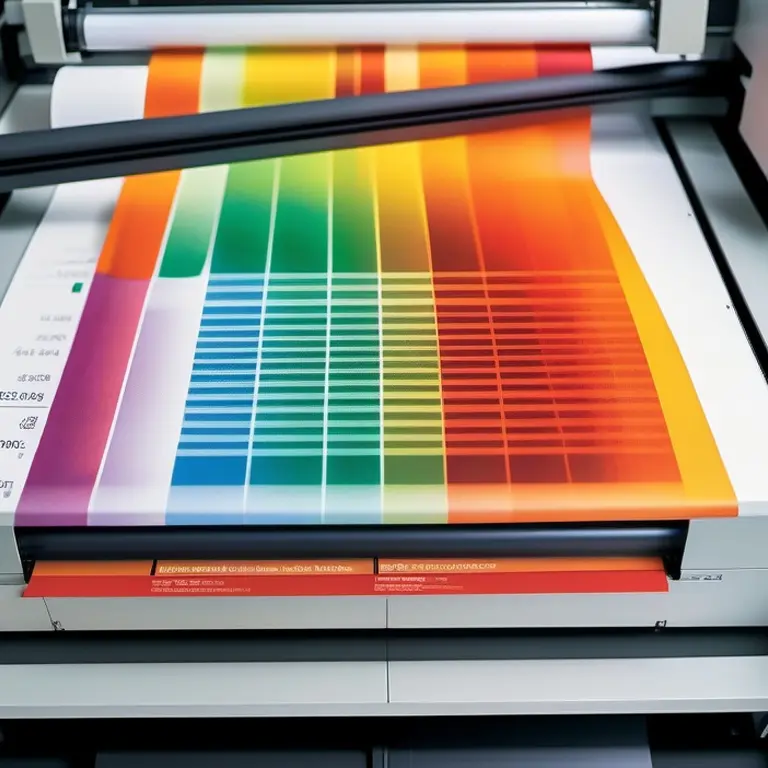
Thermal printers are the unsung heroes of modern printing technology, quietly working behind the scenes to produce everything from shipping labels to receipts with impressive speed and precision. But have you ever wondered about the paper that goes into these machines? Do thermal printers require special paper, or can you just use any old sheet you have lying around? Let’s dive into this paper-perfect topic and unravel the mysteries of thermal printing.
Understanding Thermal Printing Technology
Before we embark on our journey into the fascinating world of thermal paper, let’s take a closer look at the inner workings of thermal printers. These remarkable machines operate in a fundamentally different manner compared to their inkjet and laser counterparts. They harness the power of heat to bring images and text to life on paper.
Imagine a thermal printer as a precision instrument, a conductor of controlled thermal energy. When you initiate a print job, this intricate device springs into action, orchestrating a symphony of heat and precision. Here’s how it all unfolds:
The Heat Dance:
Within the thermal printer, there lies a vital component – the print head. This print head comprises an array of tiny heating elements. As the print head moves across the paper, it selectively activates these elements with remarkable precision. These elements can reach scorching temperatures at a moment’s notice.
Darkening the Canvas:
The magic begins when the heated elements make contact with the specially designed thermal paper. The paper is engineered with a unique coating that reacts to heat. As the hot print head elements touch the paper’s surface, the coating darkens. It’s as if the paper is an artist’s canvas, and the print head is the brush, bringing forth text and images through this controlled darkening process.
Efficiency Unleashed:
What makes thermal printing so efficient is its simplicity. There are no ink cartridges or toners to replace, no complicated moving parts, and no need for a fuser or drum unit. This streamlined process ensures that thermal printers can produce high-quality prints with impressive speed, making them a go-to choice for various applications.
A Symphony of Precision and Innovation: In essence, a thermal printer is a marvel of precision and innovation. It’s a ballet of heat and control, orchestrating a performance that brings your content to life on paper in a matter of seconds.
So, the next time you send a document to a thermal printer, take a moment to appreciate the seamless choreography of technology that turns your digital creations into tangible, printed reality.
The Paper Puzzle

- Now, let’s delve into the fascinating world of thermal paper, where every sheet plays a vital role in bringing your documents to life. The choice of paper for thermal printing is far more crucial than you might initially realize. You see, using standard paper simply won’t suffice. In fact, it could lead to a cascade of issues, including poor print quality, frustrating smudging, and potential damage to your beloved printer in the long run. But why is this special paper so essential?
- As our extensive collection of thermal paper at Sting Bull Ribbon proudly showcases, thermal paper is meticulously crafted with specific properties tailored to complement the thermal printing process. It’s not just paper; it’s a pivotal partner in the art of precision printing. Here are the key characteristics that set thermal paper apart:
- 1. Heat Sensitivity – The Magic of Responsiveness: Thermal paper is a heat-sensitive marvel. This unique property enables it to respond with unwavering precision to the printer’s application of heat. It’s a partnership that ensures your prints are sharp, legible, and crystal clear. Each time your thermal printer’s heated elements dance across the paper’s surface, the magic of responsiveness transforms digital data into a tangible masterpiece.
- 2. Coating and Chemical Alchemy: What truly makes thermal paper extraordinary is the delicate alchemy of coatings and chemicals. Special thermal paper is lovingly coated with a concoction of chemicals that spring to life when subjected to heat. These coatings are nothing short of wizardry – they react with precision, unlocking the potential for high-resolution prints with astonishing detail. It’s as if each print is a work of art, meticulously crafted by the precise choreography of chemistry.
- 3. Durability – Resilience in the Face of Challenges: Thermal paper is not just about aesthetics; it’s built to endure. It’s a robust companion, ready to withstand a myriad of environmental conditions. Whether it’s the relentless assault of time, the unforgiving embrace of moisture, or the physical wear and tear of handling, thermal paper stands strong. It’s your shield against fading, your guardian against moisture’s attempts to blur the lines, and your partner in enduring the tests of time.
- The next time you hold a sheet of thermal paper, remember that it’s not merely paper; it’s a critical component in the seamless ballet of thermal printing. Each sheet, with its heat-sensitive nature, chemical alchemy, and inherent durability, plays a vital role in bringing your words and images to life. It’s the unsung hero of the printing world, ensuring that every print is a masterpiece in precision and clarity.
The Heat is On

Now, let’s delve deeper into the intriguing world of thermal printing and the critical role that thermal paper plays in this heat-driven process. Why does thermal paper require these unique properties? Well, it all boils down to the heat itself. Thermal printers operate by harnessing the power of heat to create images and text, and the special paper is meticulously engineered to react optimally to this precise application of heat. Using standard paper, as tempting as it might be, won’t yield the same results. It’s like attempting to fit a square peg into a round hole – it might seem like a possibility, but the reality is far from ideal.
The Thermal Symphony:
Imagine a thermal printer as a conductor, orchestrating a symphony of heat across the paper’s surface. When you send a print job, the printer’s heated elements dance elegantly across the thermal paper. Each touch of heat is akin to a musical note, contributing to the creation of an image or text. The thermal paper is like the perfect sheet music, ready to harmonize with the conductor’s cues.
The Heat-Harmonious Paper:
This is where thermal paper truly shines. Its unique composition allows it to sync effortlessly with the printer’s heat application, ensuring that each note, or in this case, each pixel, is perfectly in place. The heat-sensitive paper reacts to the conductor’s directions with impeccable precision, resulting in sharp, clear, and legible prints. The result is an image or text that appears as intended – a visual masterpiece born from the heat-driven symphony of printing.
The Perils of Misalignment:
Now, imagine trying to use standard paper in this delicate performance. It’s like trying to substitute diesel fuel for gasoline in a finely-tuned engine. Initially, it might seem to work, but the long-term consequences are less than desirable. Standard paper is not designed for this symphony of heat. It won’t respond in the same harmonious way, leading to blurred text and poor image quality. Just as a misaligned engine can lead to inefficient performance and damage, using standard paper in a thermal printer can compromise the print quality and even harm the printer itself.
While the idea of using any paper might be tempting, the reality is that thermal paper is purpose-built for the unique requirements of thermal printers. It’s the ideal partner in this heat-driven dance, ensuring that each print is a masterpiece in clarity and precision. In the world of thermal printing, it’s not just about the heat; it’s about the harmony between heat and paper, resulting in stunning prints that speak volumes.
The Advantages of Special Paper
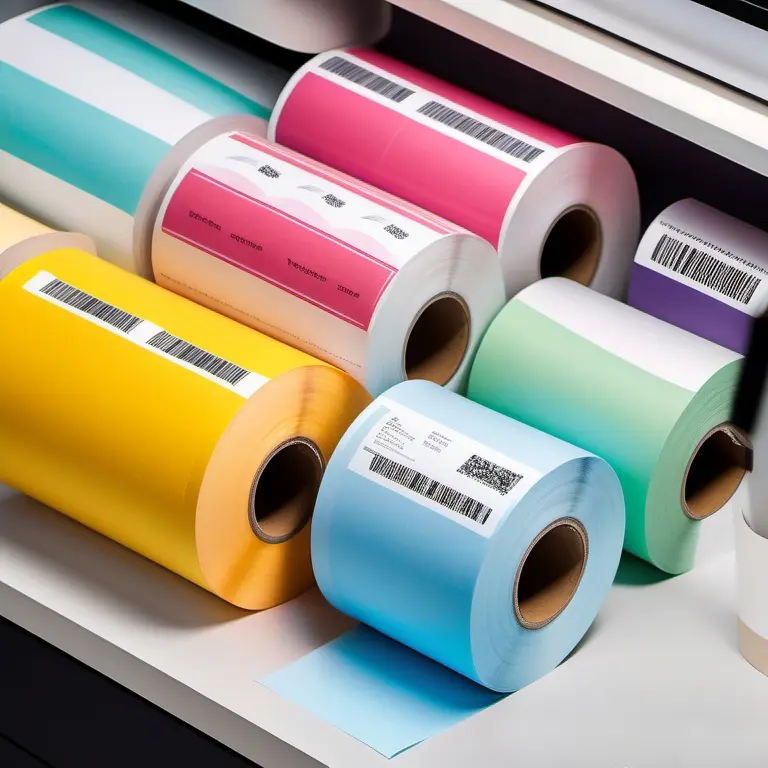
Now that we’ve explored the intricate dance between thermal printers and thermal paper let’s unravel the array of benefits that come with choosing this specialized paper. The advantages are not only about enhancing the overall quality of your prints but extend to ensuring longevity, legibility, and durability, even when faced with challenging conditions.
1. Elevated Print Quality:
The first and most obvious advantage of special thermal paper is the superior print quality it delivers. The heat-sensitive nature of this paper ensures that each mark is sharp, clear, and defined. Whether it’s intricate labels, important receipts, or critical documents, the quality of your prints remains uncompromised.
2. Longevity at Its Core:
Ordinary paper might wither and fade over time, but thermal paper stands the test of time. Its resistance to fading, smudging, and wear and tear makes it a stellar choice when document longevity is of utmost importance. Whether you’re archiving essential records or storing receipts for accounting purposes, thermal paper ensures they remain as crisp and legible as the day they were printed.
3. A Shield Against the Elements:
Thermal paper is your document’s armor, guarding it against the challenges of various environments. Whether it’s exposure to moisture, humidity, or the wear and tear of everyday handling, thermal paper remains steadfast. This attribute makes it an excellent choice for a wide range of applications, from labeling products in a damp warehouse to printing shipping labels that may encounter unpredictable weather conditions.
4. Reliable in Every Situation:
Imagine a world where your important receipts are still intact after an accidental spill or your shipping labels remain readable despite being exposed to the elements. Thermal paper makes this a reality. Its resilience ensures that your documents maintain their integrity, no matter the circumstances.
5. Clear Communication:
In the business world, clear communication is essential. Thermal paper guarantees that the information you intend to convey through your documents is crystal clear, ensuring that there are no misinterpretations or errors.
6. Versatile in Application:
Thermal paper’s adaptability makes it suitable for various applications, from retail point-of-sale receipts to medical records. It’s a versatile choice that adapts to your specific needs, delivering consistent quality in diverse settings.
So, opting for special thermal paper isn’t just about enhancing your prints; it’s about safeguarding your documents against the passage of time and the unpredictable challenges of the world. Your records, labels, and receipts remain pristine, delivering clear and reliable communication whenever and wherever you need it. In the realm of document integrity, thermal paper stands as the unwavering guardian.
The Risks of Incompatible Paper
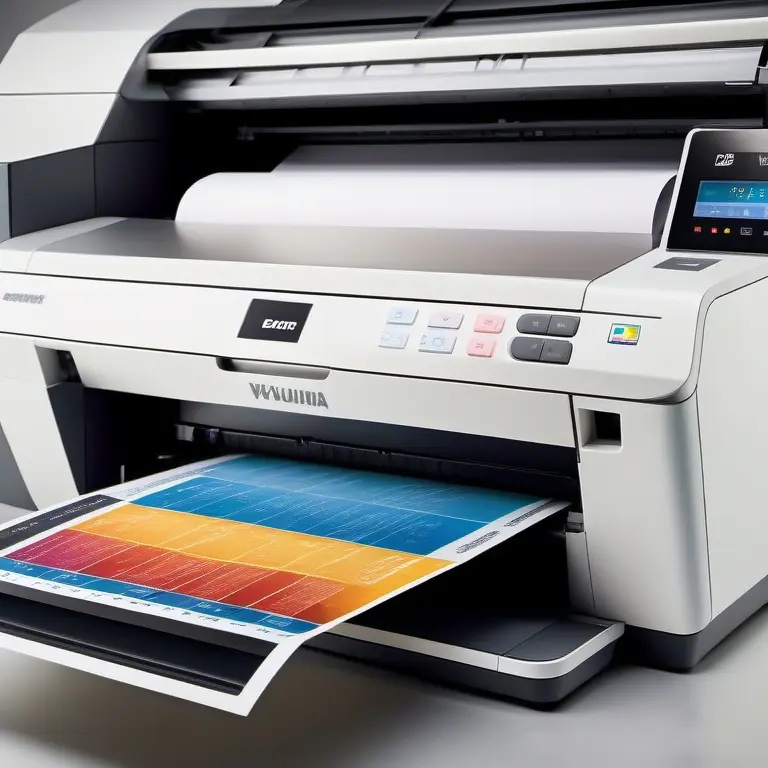
It’s not just about what the right thermal paper can do for your prints; it’s also about understanding the risks involved when you opt for the wrong paper. Incompatible paper might seem harmless, but it can lead to a cascade of issues that affect both your prints and your thermal printer itself.
1. Reduced Print Quality:
The most immediate consequence of using incompatible paper is a noticeable dip in print quality. Your documents and images, once sharp and well-defined, may now appear blurred, smudged, or faded. This isn’t just an aesthetic concern; it can hinder the legibility of crucial information, making it challenging to interpret data accurately.
2. Potential Illegibility:
Illegible documents can lead to confusion, errors, and miscommunication. In industries where precise records matter, such as healthcare or legal, using the wrong paper can have significant consequences. Imagine a prescription that’s hard to read or a contract with smudged clauses—these scenarios become real risks with incompatible paper.
3. Damage to the Printer:
Here’s where it gets tricky. Incompatible paper isn’t just a problem for your prints; it can also harm your thermal printer. The printer’s heating elements are designed to work optimally with specialized thermal paper. When you introduce the wrong paper, the chemical reactions it triggers might clog or damage these elements over time.
4. Costly Repairs or Replacements:
The aftermath of using incompatible paper can be costly. The damage to your thermal printer may necessitate repairs or even a complete replacement. Not only is this an unexpected expense, but it can also disrupt your operations and lead to downtime while your printer is out of commission.
In essence, using the wrong paper in a thermal printer is like pouring the wrong type of fuel into a finely tuned engine. Initially, it might seem to work, but the long-term repercussions are far from desirable. The print quality falters, legibility becomes a concern, and you risk compromising the very machine responsible for your document production.
So, while it might be tempting to use whatever paper is at hand, it’s vital to remember that thermal printers and thermal paper are designed to work in harmony. The right paper safeguards your print quality and the longevity of your printer, ensuring that your documents remain impeccable and your operations run smoothly.
Choosing the Right Thermal Paper
In the world of thermal printing, choosing the right thermal paper is akin to finding the perfect piece to complete a complex puzzle. It’s not just about the paper; it’s about understanding your printer’s needs, specifications, and the unique requirements of your applications.
1. The Roll Size:
One of the foundational considerations is the roll size. These rolls come in various dimensions, and selecting the right one is critical to prevent disruptions during printing. It’s like ensuring your car’s tires match the rims precisely – the wrong size won’t work efficiently. Choose the roll size that aligns with your printer’s specifications to maintain smooth, uninterrupted operations.
2. Core Diameter:
The core diameter might seem like a small detail, but it’s a big deal for your printer. It’s the equivalent of the axle’s size in a vehicle – if it’s too small or too large, the wheels won’t turn properly. Ensure the core diameter matches your printer’s requirements to avoid compatibility issues and ensure paper feeds smoothly.
3. Coating Type:
The coating on thermal paper is where the magic happens. Different applications demand distinct coating types. It’s akin to selecting the right tool for a specific job. Whether you need a paper for labels, receipts, or medical records, understanding the coating’s role is pivotal. Some coatings are designed for optimal durability, while others focus on maintaining print clarity.
4. Printer Compatibility:
This is the cornerstone of your paper selection journey. Just as you wouldn’t try to fit a square peg into a round hole, you must choose thermal paper compatible with your printer’s make and model. Using the wrong paper can lead to problems ranging from poor print quality to potential printer damage.
At Sting Bull Ribbon, you’ll find a variety of thermal paper options suitable for different thermal printers. Explore our collection to discover the perfect match for your needs.
Common Uses of Thermal Printing
Understanding the versatility of thermal printing unveils its significant role in various sectors. Special thermal paper is the linchpin that ensures these applications run smoothly and efficiently.
1. Retail Magic:
In the retail sphere, thermal printers are akin to the unsung heroes working tirelessly behind the scenes. Whether you’re grabbing a receipt, checking a price tag, or scanning a barcode, thermal printers provide clarity, durability, and efficiency. These small devices are essential in maintaining smooth operations and customer satisfaction.
2. Logistics and Shipping Prowess:
Logistics and shipping would be a labyrinth without thermal printers. These printers are the architects of order in this chaotic world. They create the barcode labels and shipping tags that ensure parcels and packages reach their intended destinations. Without these printers and their special paper, tracking shipments would be a logistical nightmare.
3. Healthcare’s Trusty Companions:
In healthcare, where precision can be a matter of life and death, thermal printers are trusted companions. They produce patient identification wristbands and medical labels that stand the test of time. Accurate and durable, these prints provide healthcare professionals with the vital information they need to save lives.
4. Hospitality’s Efficiency Enablers:
In the world of hospitality, efficiency is the name of the game. Thermal printers come into play, enabling restaurants and hotels to generate customer receipts and tickets quickly and accurately. Picture a busy restaurant – the last thing they need is a printer jam or faded receipt. Thermal printers and special paper ensure operations run seamlessly.
Beyond the Obvious:
These common applications merely scratch the surface. From manufacturing plants using thermal printing for quality control labels to libraries ensuring easy book checkouts, thermal printing is everywhere. Its ubiquity reflects its reliability, legibility, and resilience.
In Conclusion
In the world of thermal printing, special paper is not a mere luxury but a necessity. Using the right paper ensures that your thermal printer operates at its best, delivering high-quality prints that resist fading and smudging. So, when you’re setting up your thermal printer, make sure to stock up on the proper thermal paper from our collection at Sting Bull Ribbon. Your printer will thank you, and your prints will speak volumes about your commitment to quality.