
A Guide by Sting Bull Ribbon
Published by Sting Bull Ribbon on October 20, 2023
In today’s digital age, the importance of printed documents can’t be underestimated. From store receipts to labels, thermal paper has become a staple in various businesses. However, when it comes to preserving these essential records, a common question arises – can you laminate thermal paper?
Unlocking the Secrets of Thermal Paper
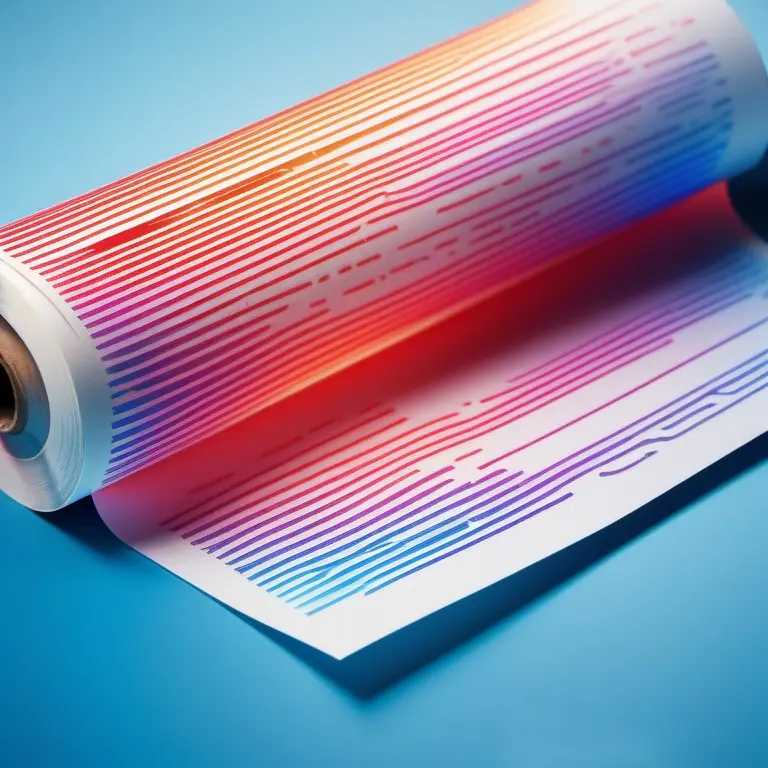
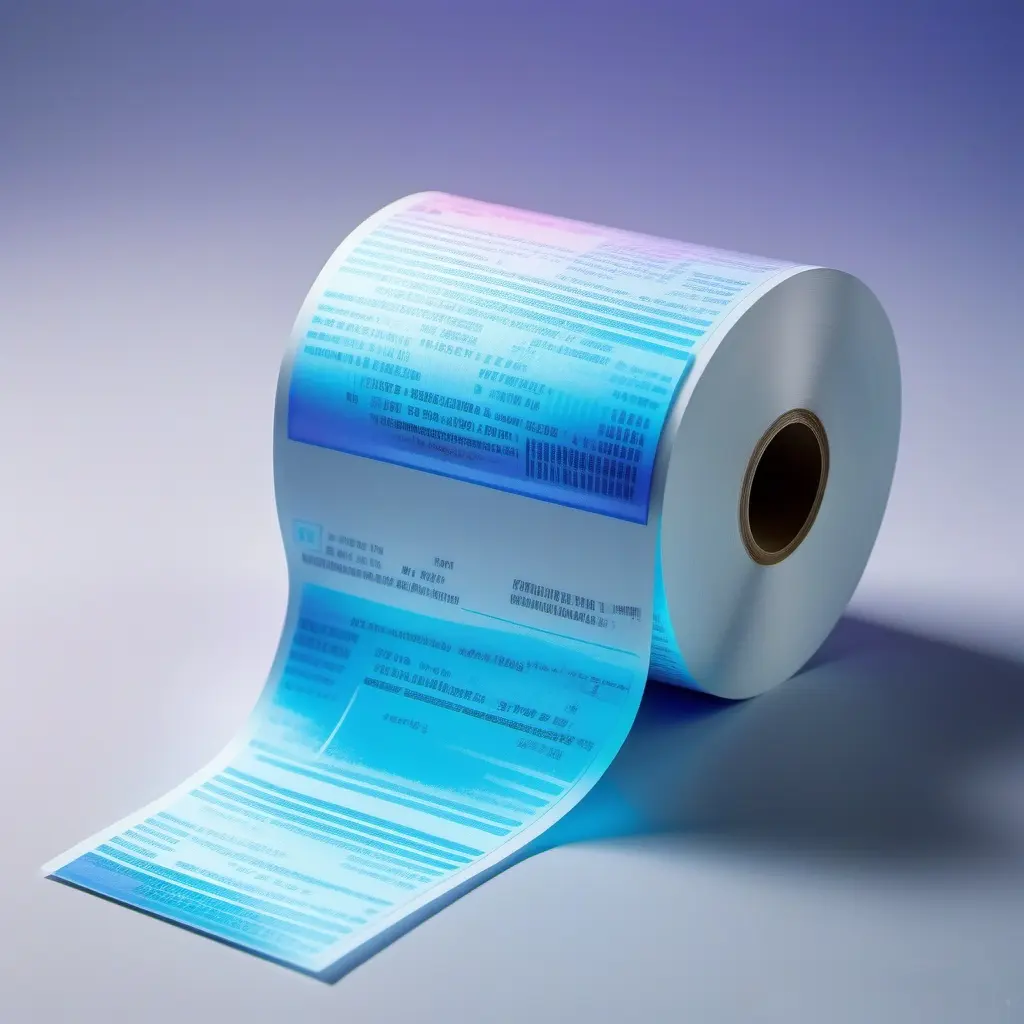
In a world where digital technology reigns supreme, there’s a quiet hero that still plays a pivotal role in everyday transactions – thermal paper. What sets it apart from conventional paper is its remarkable ability to transform when heat kisses its surface. This remarkable quality makes it a vital component in devices such as cash registers and credit card machines, where printing receipts is an everyday task.
The Alchemy of Thermal Coating
At the heart of thermal paper’s unique properties lies its secret ingredient – thermal coating. This specialized layer is like a chameleon, waiting for the right moment to reveal its true colors. When subjected to heat, whether from a print head or a thermal transfer ribbon, the magic begins. The thermal coating reacts, and what was once a blank canvas suddenly springs to life with text, numbers, or images.
It’s like witnessing a modern-day alchemy. The heat causes a chemical reaction within the thermal coating, resulting in the creation of visible content. This content is not only clear and sharp, but it’s also incredibly fast to produce.
Applications in Everyday Life
So where can you find thermal paper in action? The answer is almost everywhere, even if you don’t realize it. Think about your last visit to a grocery store. The receipt you received as proof of purchase – that’s thermal paper at work. Your favorite coffee shop, where they hand you a receipt for your cappuccino – thermal paper again. In the bustling world of retail and hospitality, thermal paper is the unsung hero, delivering receipts at the speed of heat.
But it’s not limited to just receipts. Look inside a fax machine, and you’ll find thermal paper, tirelessly creating hard copies of documents. In medical facilities, thermal paper is used to print ultrasound images, offering a quick and precise record of a patient’s health.
The Environmental Impact
While thermal paper is a technological marvel, it’s not without its challenges, one of which is its environmental impact. The thermal coating contains a chemical called bisphenol A (BPA), which has raised concerns about potential health risks and environmental implications. Many manufacturers are transitioning to BPA-free alternatives to mitigate these concerns and reduce the environmental footprint of thermal paper.
In conclusion, thermal paper is a unique and invaluable technology that quietly powers many aspects of our daily lives. Its ability to transform under heat is a testament to human ingenuity. However, as we continue to rely on thermal paper, it’s essential to balance its convenience with environmental responsibility.
Understanding the Lamination Process
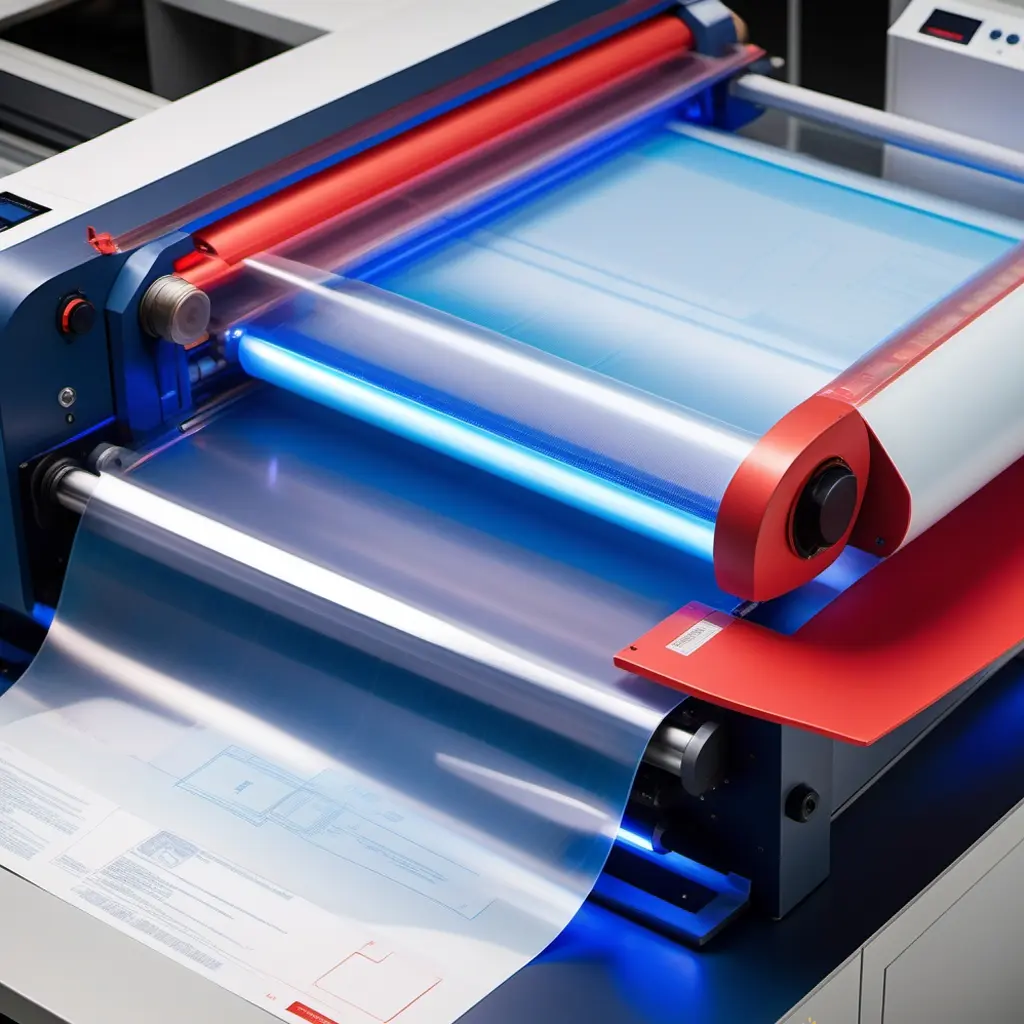
Lamination is more than just a method to protect and preserve documents; it’s a sophisticated process that adds a layer of resilience to your precious papers. This technique involves encapsulating your document within the warm embrace of two layers of plastic film, creating a sturdy, long-lasting shield.
The Three Faces of Lamination
- Hot Lamination: This is the heavy hitter in the lamination world. It’s the process that uses heat to fuse the plastic film and your document into a single, impenetrable unit. The result is a robust, durable protective layer. However, it’s worth noting that hot lamination, while powerful, can pose challenges when dealing with thermal paper. The heat sensitivity of thermal paper means you must tread carefully to avoid any unwanted side effects.
- Cold Lamination: The gentler counterpart of hot lamination, cold lamination takes a more temperate approach. It foregoes the intense heat and opts for adhesive to secure the document. While it may not provide the same level of security as hot lamination, it is kinder to thermal paper, making it a wise choice when dealing with sensitive documents.
- Self-Adhesive Lamination: This method sits right in the middle, offering the best of both worlds. It leverages an adhesive to create a secure bond without exposing the document to excessive heat. It’s the Goldilocks of lamination techniques, providing the right balance between strength and sensitivity.
Choosing the Right Lamination Method
Selecting the appropriate lamination method depends on the nature of your document. For critical records or items that require ultimate protection, hot lamination is the go-to choice. When dealing with thermal paper, it’s essential to exercise caution, as excessive heat can affect its integrity.
For those looking for a gentler touch, especially when working with thermal paper, cold lamination is a safe bet. It may not provide the same level of protection as hot lamination, but it guards against heat-related issues.
Self-adhesive lamination offers a balanced solution that’s particularly useful when you need a secure, yet heat-friendly, option. The adhesive forms a protective bond without subjecting the document to extreme temperatures.
In the world of lamination, there’s a method for every need, but understanding the nuances of each technique ensures your documents are preserved with care. Whether it’s about safeguarding your prized photos or protecting sensitive thermal paper, the right lamination method can make all the difference.
Challenges of Laminating Thermal Paper
The concept of safeguarding thermal paper through lamination is indeed alluring, but as with any great endeavor, challenges abound. Thermal paper, as its name implies, has an intimate relationship with heat. While it readily reveals its secrets when exposed to warmth, this same sensitivity can pose problems when it comes to lamination.
The Thermal Tightrope
One of the foremost challenges when laminating thermal paper is its inherent heat sensitivity. The very quality that makes it a powerhouse for receipt printing becomes a double-edged sword during lamination. When subjected to the lamination process, the thermal coating on the paper can react unexpectedly. The result? Text that once stood boldly on the page may begin to fade, or in some cases, turn as black as a moonless night.
These transformations are the stuff of nightmares for anyone seeking to preserve information with clarity and permanence. The purpose of lamination is to protect and immortalize, not to obscure or obfuscate.
Selecting the Right Lamination Method
In the realm of thermal paper, selecting the right lamination method becomes an art. It’s a dance between preservation and potential pitfalls. Hot lamination, while powerful, can be like playing with fire when dealing with thermal paper. The intense heat can trigger unintended reactions, leading to the dreaded fading or blackening of text.
Cold lamination, on the other hand, is the gentle guardian of thermal paper. It avoids the heat conundrum and chooses adhesive as its ally. This method provides a safer path to preservation, albeit with a trade-off in terms of the ultimate strength of the protective layer.
In the world of thermal paper and lamination, finding the right method is a pursuit that requires knowledge, experimentation, and a touch of finesse. As the saying goes, “Laminating thermal paper can be tricky due to its heat-reactive nature. Finding the right method is crucial.” – Sting Bull Ribbon.
In conclusion, the challenges of laminating thermal paper are real, but with the right approach and method, you can successfully preserve your valuable documents without compromising their legibility and permanence.
Can You Laminate Thermal Paper?
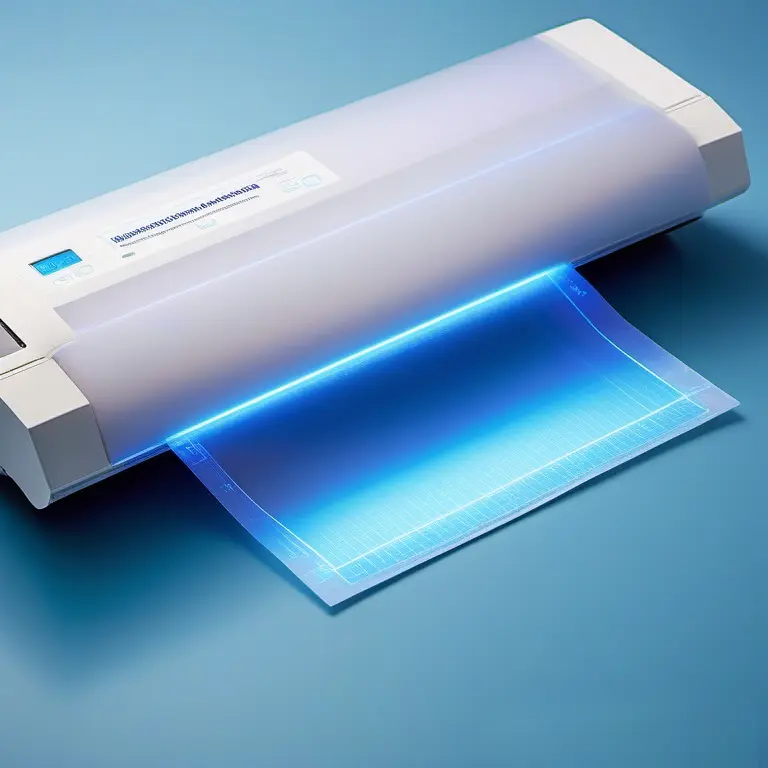
The enigma of lamination with thermal paper lies in the balance between protection and the potential perils of heat. The burning question lingers – can you truly laminate thermal paper without sacrificing its pristine quality? Let’s delve into the realm of possibilities:
Hot Lamination – A Delicate Dance: Yes, hot lamination is feasible for thermal paper, but it’s a delicate dance, akin to a tightrope act. The thermal sensitivity of the paper requires meticulous control over the laminating machine’s temperature and speed. Too much heat can quickly turn this preservation process into a predicament. It’s a high-stakes endeavor that demands expertise and precision.
Cold Lamination – A Gentle Embrace: For those who seek a more gentle approach, cold lamination is the answer. It avoids the scorching embrace of hot lamination and instead relies on adhesives to create a protective shield. While it may not provide the same level of armor against wear and tear, it is a considerate option for documents that don’t demand intense preservation. Thermal paper, with its vulnerability to heat, finds a safer haven in this method.
Self-Adhesive Lamination – The Golden Mean: A compromise between hot and cold, self-adhesive lamination strikes a balance. It secures the document with adhesive, sparing it from excessive heat exposure. This method shines as the golden mean, offering security without compromising the document’s legibility. It’s a versatile choice, suited to most cases where thermal paper preservation is a priority.
The verdict? Yes, you can laminate thermal paper, but the method you choose matters significantly. Your selection should align with the specific needs of your document. It’s a nuanced decision where the temperature becomes the pivotal point of concern.
In the world of thermal paper and lamination, success is all about making informed choices. Lamination ensures your thermal paper stands the test of time while maintaining its quality, making it a worthy pursuit in the world of document preservation.
Tips for Successful Lamination
Laminating thermal paper may seem like a tightrope walk, but with the right guidance, you can transform it into a graceful ballet. Here are some pro tips to ensure a successful lamination experience:
1. Embrace Temperature Control: The heart of the matter lies in the temperature. When choosing a laminating machine, opt for one with adjustable temperature settings. This feature is your key to fine-tuning the lamination process, ensuring the perfect balance between protection and preserving the integrity of thermal paper. It’s a bit like finding the ideal cooking temperature for a delicate dish.
2. Slow and Steady Wins the Race: When it comes to laminating thermal paper, speed is not your ally. Instead, choose a slower laminating speed. Slowing things down minimizes the amount of heat exposure, reducing the risk of unwanted reactions in the thermal paper. It’s a bit like savoring a fine wine – rushing through it won’t yield the best results.
3. Test, Test, Test: Before embarking on the lamination journey with your important documents, conduct a test run. Select a small portion of thermal paper and run it through the laminating machine. This trial by fire helps you gauge the machine’s settings and understand how your specific thermal paper reacts to the process. It’s the dress rehearsal before the grand performance, ensuring you’re well-prepared for the real deal.
Remember, lamination isn’t just about preserving documents; it’s about preserving their quality and legibility. With these tips in your arsenal, you can confidently navigate the world of thermal paper lamination and achieve results that stand the test of time.
Exploring Alternatives to Lamination for Thermal Paper
If the thought of laminating your thermal paper documents sends a chill down your spine, fear not, for there are alternative paths to tread. These methods provide protection without subjecting your sensitive thermal paper to the perils of heat:
1. Protective Sleeves – The Gentle Hug: One elegant alternative is to slip your thermal paper documents into protective sleeves. Think of these sleeves as a warm, snug jacket for your documents. They offer a protective layer without exposing your precious papers to the harsh heat of lamination. It’s like shielding them with a layer of armor, safeguarding their quality and legibility.
2. Laminating Pouches – Tailored Solutions: For those who wish to stick with the laminating theme but want to minimize the risk, laminating pouches designed specifically for thermal paper are the answer. These pouches are crafted with optimization in mind. They tread lightly on the heat front, ensuring that your documents remain intact and unaffected by potential heat-related issues. It’s the sweet spot between protection and thermal paper sensitivity.
3. Digital Backup – Future-Proofing: In this digital age, an alternative worth considering is to scan your thermal paper documents and create digital backups. This not only offers an additional layer of protection but also future-proofs your important records. Digital copies are immune to the challenges of thermal paper, ensuring their longevity and accessibility.
Each of these alternatives has its unique charm, offering a protective embrace for your thermal paper documents without the need for heat exposure. It’s all about finding the method that aligns best with your document’s needs and your peace of mind. In the end, the goal remains the same – preserving your information without compromise.
Conclusion
So, can you laminate thermal paper? The answer is yes, but with caution. Laminating thermal paper requires the right technique and equipment. You should always be mindful of its heat sensitivity.
For all your thermal paper needs, check out our Thermal Paper Collection. We offer a range of options and accessories to help you make the most of this unique paper.
Preserve your records with care and make informed choices about laminating thermal paper. It’s all about striking the right balance between protection and preservation.