
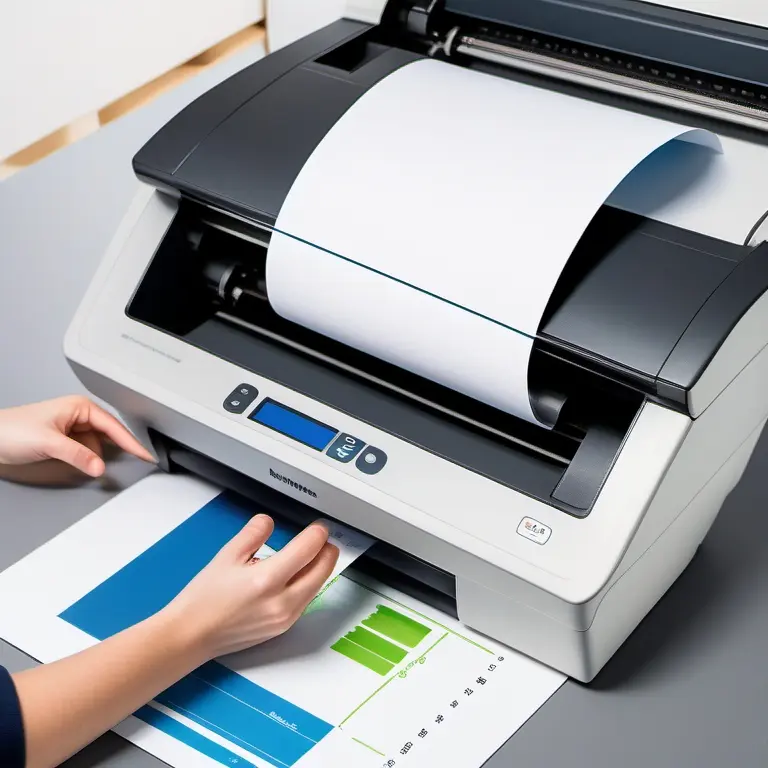
Thermal printers, with their distinctive mechanism, are commonly associated with producing high-quality prints on specialized thermal paper. However, have you ever wondered if these machines can adapt to regular paper? At Sting Bull Ribbon, we explore the possibilities and challenges of using thermal printers with ordinary paper, all while showcasing our curated selection of top-notch brands. Let’s dive in!
Understanding Thermal Printers
Thermal printers indeed represent a remarkable advancement in modern technology. They operate by utilizing controlled heat to create images and text on specially designed thermal paper. There are two primary categories of thermal printers: Direct Thermal and Thermal Transfer. Each type has its own set of advantages and applications, making them versatile tools in various industries.
Direct Thermal printers are particularly notable because they do not require the use of a ribbon. This unique feature makes them well-suited for specific applications where simplicity and cost-efficiency are essential.
Direct Thermal printers work by directly applying heat to the thermal paper, causing it to darken in the heated areas, thus creating the desired text or images. This process is efficient and environmentally friendly, as it eliminates the need for ink or toner cartridges commonly found in other types of printers. These printers are often preferred in scenarios where printing is primarily for short-term purposes, such as shipping labels, receipts, or barcode labels.
Thermal Transfer printers, on the other hand, employ a different mechanism. They use a heated ribbon to transfer ink onto the paper, resulting in durable and long-lasting prints. This makes Thermal Transfer printers the preferred choice for applications that require archival-quality prints, like product labels, asset tags, or pharmaceutical labels. The use of a ribbon, while providing excellent print quality, can be an additional cost and maintenance factor to consider.
In both cases, it’s essential to select the appropriate printer type based on the specific requirements of your application. Direct Thermal printers are cost-effective and easy to use, but the prints may not withstand extended exposure to heat, light, or chemicals. On the other hand, Thermal Transfer printers offer superior durability but come with higher operating costs due to the need for ribbons.
In conclusion, thermal printers have revolutionized the way we generate images and text. Understanding the distinctions between Direct Thermal and Thermal Transfer printers allows businesses to make informed decisions about which technology best suits their needs. Whether you’re looking for simplicity and efficiency or long-lasting, high-quality prints, thermal printers are a valuable tool in the world of modern printing.
Sting Bull Ribbon Collection: Check out our Thermal Paper Collection!
Regular Paper vs. Thermal Paper
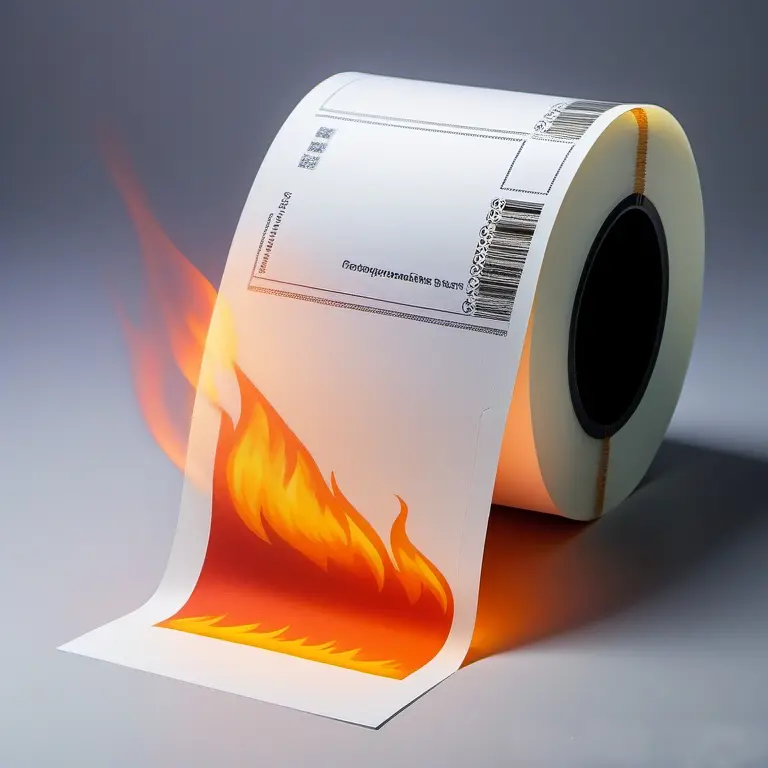
Certainly, let’s expand on the distinctions between regular paper and thermal paper to provide a more comprehensive understanding of their respective characteristics and applications:
Regular Paper:
Regular paper, also known as standard or plain paper, is the type of paper commonly used in most everyday printers and copiers. It has several key attributes that make it a popular choice for general printing needs:
Economic and Readily Available:
Regular paper is cost-effective and widely accessible, making it the go-to choice for various printing tasks. It’s readily available in office supply stores and comes in various sizes (e.g., letter, legal, A4) and weights (e.g., 20lb, 24lb, 32lb).
Versatile:
Regular paper is versatile and can be used for a wide range of printing applications, including documents, reports, letters, essays, and more. It accommodates both black and white and color printing.
Compatibility:
It is designed for use in standard inkjet and laser printers, as well as photocopiers. These devices rely on traditional methods of depositing ink or toner onto the paper’s surface.
Thermal Paper:
Thermal paper is specifically engineered for use with thermal printers and possesses unique characteristics that make it suitable for specific applications:
Thermal Coating:
The defining feature of thermal paper is its specialized coating that darkens when exposed to heat. This coating is sensitive to heat and activates when heated by the thermal print head of a thermal printer.
Quick and High-Quality Prints:
Thermal paper is designed for rapid, high-quality printing. When heat is applied to the coated paper, it produces sharp and precise text or images. This makes it particularly well-suited for applications where speed and print quality are paramount, such as in receipt printers.
Limited Versatility:
Thermal paper’s primary application is in situations where quick, efficient, and legible prints are essential. It may not be suitable for applications that require long-term document preservation or resistance to environmental factors like moisture, light, or heat.
While regular paper is a versatile and cost-effective choice for general printing, thermal paper is specialized for use with thermal printers. Thermal paper’s ability to produce fast, high-quality prints through heat activation makes it invaluable in specific applications, such as receipt printing. However, it is important to use the appropriate type of paper for your printer to ensure optimal performance and results in your chosen printing tasks.
Can Thermal Printers Print on Regular Paper?
The question of whether thermal printers can effectively print on standard, readily available paper is indeed a crucial one, and the answer involves some nuances that are worth exploring.
Direct Thermal Printers and Regular Paper Compatibility:
Direct Thermal printers have a higher level of compatibility with regular paper compared to their Thermal Transfer counterparts. The reason for this compatibility lies in the fundamental differences in how these two types of thermal printers operate.
Direct Thermal printers use specially coated thermal paper to produce prints by applying heat selectively. However, in some cases, it is possible to make adjustments to the settings and use regular paper with a Direct Thermal printer. These adjustments might involve reducing the heat output and optimizing the print density. By doing so, it becomes feasible to achieve legible prints on regular paper, such as standard office or copy paper.
Challenges and Considerations:
Despite the potential for using regular paper with Direct Thermal printers, there are some important considerations to keep in mind:
- Print Quality:
The most significant difference between regular paper and thermal paper is the quality of the prints. Thermal paper is specifically designed to react to heat, producing sharp and clear prints. When using regular paper, the print quality may not match that of thermal paper. Text and images might appear less sharp and defined.
- 2.Durability:
Regular paper lacks the protective coating that thermal paper has, which makes it more susceptible to factors like moisture, light, and heat. Over time, prints on regular paper may degrade, especially when exposed to adverse environmental conditions.
- 3.Printer Lifespan:
Prolonged use of regular paper in a Direct Thermal printer might have an impact on the printer’s lifespan. The heat generated during the printing process could potentially cause more wear and tear on the print head and other components, necessitating more frequent maintenance and replacements.
While it is possible to use regular paper with Direct Thermal printers by making necessary adjustments, it’s important to be aware of the trade-offs. The print quality may not meet the same standards as thermal paper, and the durability of prints can be compromised over time. Additionally, the prolonged use of regular paper may lead to increased maintenance requirements for the printer. Therefore, when considering whether to use regular paper with a thermal printer, it’s crucial to weigh the benefits of cost savings against potential drawbacks in print quality and equipment longevity.
Practical Considerations

Certainly, when using regular paper with a thermal printer, it’s crucial to take into account various practical considerations that can impact the quality of your prints and the overall performance of your equipment. Here’s an expanded discussion on these practical aspects:
1. Print Quality:
When using regular paper with a thermal printer, it’s important to manage your expectations regarding print quality. Unlike thermal paper, which is designed to react to heat and produce sharp, long-lasting prints, regular paper lacks the specific coating needed for optimal results. Therefore, the output on regular paper may not exhibit the same sharpness, clarity, or longevity. Over time, the prints on regular paper can fade or deteriorate more quickly, particularly when exposed to environmental factors like light, moisture, or heat.
2. Lifespan of the Printer:
Frequent use of regular paper in a thermal printer can have implications for the printer’s lifespan. The heat generated during the printing process, which was originally designed for thermal paper, may lead to increased wear and tear on the print head and other critical components of the printer. This, in turn, may necessitate more frequent maintenance and replacements. To mitigate this, it’s advisable to follow the manufacturer’s guidelines and recommendations for printer maintenance and usage.
3. Cost Considerations:
One of the primary motivations for considering the use of regular paper with a thermal printer is cost-effectiveness. Regular paper is generally more affordable and widely available than thermal paper. However, it’s essential to factor in potential long-term costs associated with using regular paper. These costs may include:
Maintenance Costs: As mentioned earlier, the use of regular paper can lead to increased wear and tear on the printer, resulting in higher maintenance costs. It’s important to budget for regular maintenance to ensure the continued performance of your printer.
Print Quality Costs: While regular paper is cheaper, you may have to accept a trade-off in print quality. If your prints are intended for applications where sharpness and longevity are crucial, you might face costs associated with reprints or reduced customer satisfaction.
Material Costs: Depending on the volume of printing, you may go through more regular paper than thermal paper. Be sure to calculate the overall material cost over time, taking into account the cost per sheet and the potential for higher consumption.
While using regular paper with a thermal printer can be cost-effective in the short term, it’s important to recognize the trade-offs in print quality and potential long-term costs. The decision should be based on your specific printing needs, application requirements, and the balance between cost savings and the potential impact on print quality and equipment longevity.
Alternatives to Regular Paper
Indeed, when regular paper isn’t the ideal choice for specific applications, there are various alternatives available to address particular needs and requirements. Let’s delve into some of these alternatives:
- Label Sheets with Adhesive Backing:
Label sheets with adhesive backing are a practical choice for applications such as barcode printing, product labeling, and addressing. They offer the advantage of easy customization and simple application. These label sheets come in various sizes, shapes, and materials, allowing you to choose the most suitable option for your labeling needs. They can be used in both thermal and non-thermal printers, depending on your requirements.
2. Synthetic Paper:
For applications that demand durability and weather resistance, synthetic paper is an excellent alternative to regular paper. Synthetic paper is made from plastic rather than organic fibers, making it more resilient to moisture, tearing, and UV exposure. It’s an ideal choice for outdoor signage, maps, identification cards, and any application where longevity and resistance to environmental factors are essential. Synthetic paper can often be used with both thermal and non-thermal printers, further enhancing its versatility.
3. Laser Printers:
When precision and long-lasting prints are paramount, a laser printer can be a better fit compared to thermal printers using regular paper. Laser printers use a toner-based printing process, which results in sharp and high-quality prints that are resistant to fading, water damage, and environmental factors. They are suitable for producing documents, reports, brochures, and marketing materials that need to maintain their quality over time. Additionally, laser printers are versatile and can handle a wide range of paper types and sizes.
4. Inkjet Printers:
For color-rich, photo-quality prints on various paper types, including regular paper, inkjet printers are an excellent alternative. They are commonly used for tasks like photo printing, graphic design, and creative projects. Some high-end inkjet printers can achieve professional-grade results, making them a choice for creative professionals and photographers.
5. Specialty Papers:
In addition to synthetic paper, there is a wide range of specialty papers available for specific applications. Examples include photo paper for high-quality image reproduction, cardstock for creating cards and invitations, and textured paper for artistic and creative projects. These specialty papers are designed to enhance the quality and aesthetics of your prints.
The choice of alternative to regular paper depends on the specific needs and demands of your printing applications. Whether it’s label sheets, synthetic paper, laser printers, inkjet printers, or specialty papers, selecting the right medium can significantly impact the quality and durability of your prints. Consider the characteristics of each alternative and choose the one that best aligns with your objectives, whether it’s durability, weather resistance, precision, or aesthetic appeal.
Steps to Print on Regular Paper with a Thermal Printer
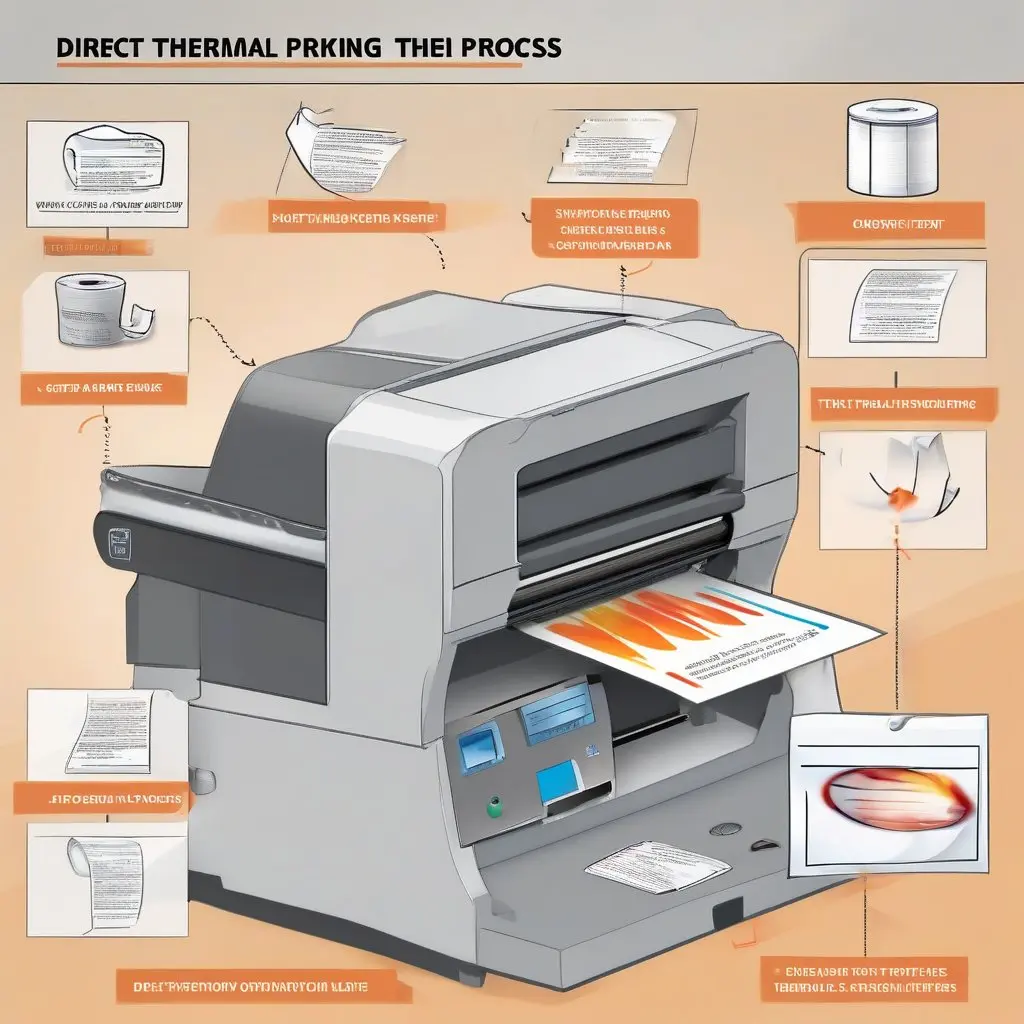
Certainly, if you’re looking to explore the possibility of using regular paper with a Direct Thermal printer, it’s important to follow a set of steps to ensure the best results and maintain the performance of your printer. Here’s an expanded guide on how to set up your Direct Thermal printer for regular paper:
- Adjust Settings:
The first step in the process is to make necessary adjustments to your thermal printer’s settings. Given that regular paper doesn’t have the same heat-sensitive coating as thermal paper, you’ll need to modify the heat and speed settings. Lower the heat output and consider reducing the printing speed to prevent the paper from overheating or becoming damaged during the printing process. This step is crucial to avoid any issues related to print quality and paper feed.
2. Load Regular Paper:
Ensure that the regular paper is loaded correctly in your Direct Thermal printer. Follow the manufacturer’s guidelines for loading paper to prevent paper jams and ensure that it advances smoothly through the printer. Make sure the paper is aligned correctly in the paper tray or roll holder to maintain proper feeding during printing.
3. Test Prints:
Conduct test prints before committing to a full print job. This allows you to fine-tune the settings and make sure that the adjustments you’ve made (lower heat and reduced speed) are providing satisfactory results. Test prints help you gauge the print quality and ensure that the paper is not overheating or smudging. Be prepared to make iterative changes to the settings until you achieve the desired print quality and consistency.
4. Maintenance:
Using regular paper with a Direct Thermal printer may result in increased wear and tear on the printer components due to the added stress of adjusting settings for non-thermal paper. This means you may need to perform more frequent cleaning and maintenance to keep your printer in good working condition. Regularly clean the print head and other essential parts of the printer to prevent issues related to paper dust and debris. Consult your printer’s manual for maintenance instructions and schedules.
Additionally, monitor the printer’s performance and be vigilant for signs of wear or issues that may arise due to the use of regular paper. Being proactive about maintenance can help extend the lifespan of your printer.
It’s essential to approach using regular paper with a Direct Thermal printer with caution and patience. While it is possible to make adjustments and achieve satisfactory results, be mindful of the potential trade-offs in print quality and the need for increased maintenance. This approach is particularly suitable for situations where cost savings are a priority, and high-quality, long-lasting prints are not an absolute requirement.
Tips for Optimizing Print Quality
Achieving optimal print quality when using regular paper with a thermal printer can be a challenging but rewarding endeavor. Here are some tips to help you get the best results:
1.Setting Adjustments:
Experimenting with your printer’s settings is essential to find the optimal configuration. Adjust the heat and speed settings, as well as the print density, to discover the right balance between print quality and paper compatibility. Start with lower heat settings and gradually increase them until you achieve legible prints without overheating the paper. Be prepared to conduct test prints and fine-tune the settings to find the “sweet spot” that works best for your specific regular paper and printer model.
2. Recommended Paper:
Selecting high-quality regular paper can make a significant difference in print results. Look for paper that has a smooth, uniform surface to ensure better ink or toner adhesion. This type of paper is less likely to absorb ink unevenly, resulting in crisper, more vibrant prints. Additionally, choosing a paper that is designed for your printer type (e.g., laser or inkjet) can further enhance print quality.
3. Maintenance:
Regularly cleaning your thermal printer is crucial to prevent the buildup of dust, debris, and residue that can affect print quality. Follow the manufacturer’s recommendations for maintenance, which typically include cleaning the print head, paper path, and other critical components. Cleaning supplies designed for your specific printer model can be beneficial.
- Print Head Cleaning:
The print head is a critical part of the printer. Regularly clean it to remove any ink or toner residue that may accumulate over time. Consult your printer’s manual for detailed instructions on how to clean the print head properly.
- Paper Path Maintenance:
Keeping the paper path clean is equally important. Debris or dust in the paper path can lead to paper jams or streaky prints. Use lint-free cloths and approved cleaning solutions to gently clean the paper path and rollers.
- Scheduled Maintenance:
Many thermal printers have recommended maintenance schedules. Be sure to adhere to these schedules for optimal performance and print quality.
Remember that optimizing print quality with regular paper in a thermal printer may require some patience and experimentation. Each printer model and paper type may have unique characteristics that affect the outcome. By following these tips and taking the time to fine-tune your settings and maintenance routines, you can achieve better results and extend the lifespan of your printer.
Applications and Industries
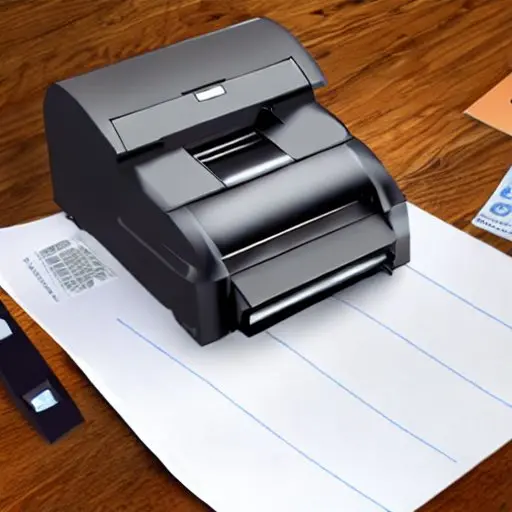
Indeed, using regular paper in a thermal printer can have practical applications across various industries, especially when specific requirements for durability and longevity are not the primary concern. Here’s a more detailed exploration of where regular paper in a thermal printer can find utility:
1. Retail:
- Temporary Signage: Retailers can employ thermal printers using regular paper to create temporary signs, price tags, or promotional materials. These materials can be changed frequently to accommodate sales, discounts, or seasonal promotions without incurring the cost of using specialized printing media.
2. Warehouses:
- Quick, Disposable Labels: Warehouses often require a high volume of labels for inventory management. In this context, using regular paper with a thermal printer can be practical for generating quick, disposable labels. These labels may be used for short-term purposes, such as tracking items during the picking and packing process.
3. Events:
- On-the-Fly Ticket Printing: Events like concerts, conferences, or trade shows benefit from the flexibility of on-the-fly ticket printing. Using regular paper with a thermal printer allows event organizers to generate tickets or badges efficiently. Since these tickets are typically short-lived and may need to be printed in real-time, regular paper offers a cost-effective solution for event access control.
4. Offices:
- Internal Documents: In office settings, thermal printers with regular paper can be used for producing internal documents, memos, or drafts. While they may not match the print quality of traditional office printers, they can serve as a quick and budget-friendly option for in-house communication.
5. Healthcare:
- Patient Identification: Hospitals and healthcare facilities may utilize thermal printers with regular paper to create temporary patient identification wristbands, labels for medication cups, or other short-term patient-related materials.
6. Manufacturing:
- Assembly Line Labels: In manufacturing environments, thermal printers with regular paper can be employed for generating labels used in assembly processes, ensuring that items are correctly identified or tracked during assembly, quality control, or inventory processes.
It’s important to note that these applications typically involve short-term or disposable materials where durability and long-lasting print quality are not the top priority. In cases where longevity and resistance to environmental factors are crucial, it’s advisable to stick with specialized media such as thermal paper or synthetic paper. Nonetheless, the versatility and cost-effectiveness of regular paper with thermal printers make it a practical choice for numerous industries and applications where temporary printing solutions are sufficient.
Conclusion
In the world of printing, the adaptability of thermal printers is impressive, but it comes with certain compromises. Whether you can use regular paper in your thermal printer depends on your needs and willingness to adjust settings. As you explore this possibility, remember to find the right balance between quality and cost-efficiency.
For the best results, consider our Thermal Paper Collection, handpicked from top brands, and explore other alternatives to meet your specific printing requirements.
Happy Printing!