
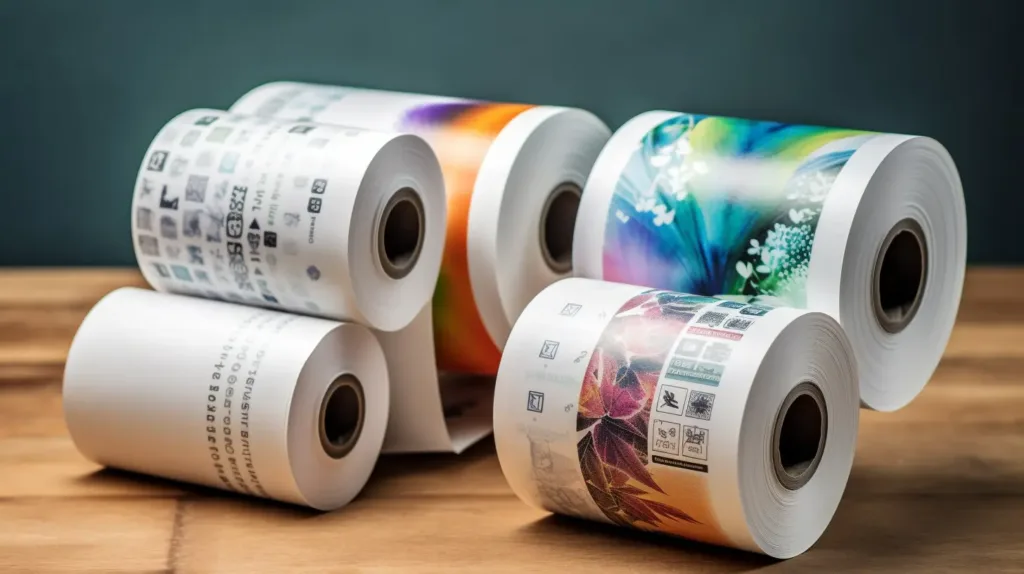
If you’ve ever received a crisp, legible receipt from a store, chances are it was printed on thermal paper. But have you ever wondered how this magical paper works and what makes it so versatile? At Sting Bull Ribbon, your go-to multibrand store, we’ve delved into the world of thermal paper and its many uses. Let’s explore the science behind it, its advantages, and where you can find it in our collections.
The Science Behind Thermal Paper
In our exploration of thermal paper, it’s essential to dive deeper into the fascinating science that underpins this printing technology. Understanding the inner workings of thermal paper not only enhances our appreciation for its efficiency but also sheds light on why it’s such a versatile and indispensable tool in various industries.
The Heat-Sensitive Magic
At its core, thermal paper relies on a straightforward yet ingenious concept: heat sensitivity. Unlike traditional printing methods that use ink or toner to transfer images onto paper, thermal paper harnesses the power of heat to create text and graphics. Let’s break down the key elements of this process:
1. Thermal Coating
The secret sauce of thermal paper lies in its heat-sensitive coating. This coating contains specialized chemicals that react when exposed to heat. These chemicals are carefully engineered to undergo a color change when heated, transitioning from a pale hue to a dark one. This transformation is what allows thermal paper to create sharp, legible text and images.
2. The Thermal Printhead
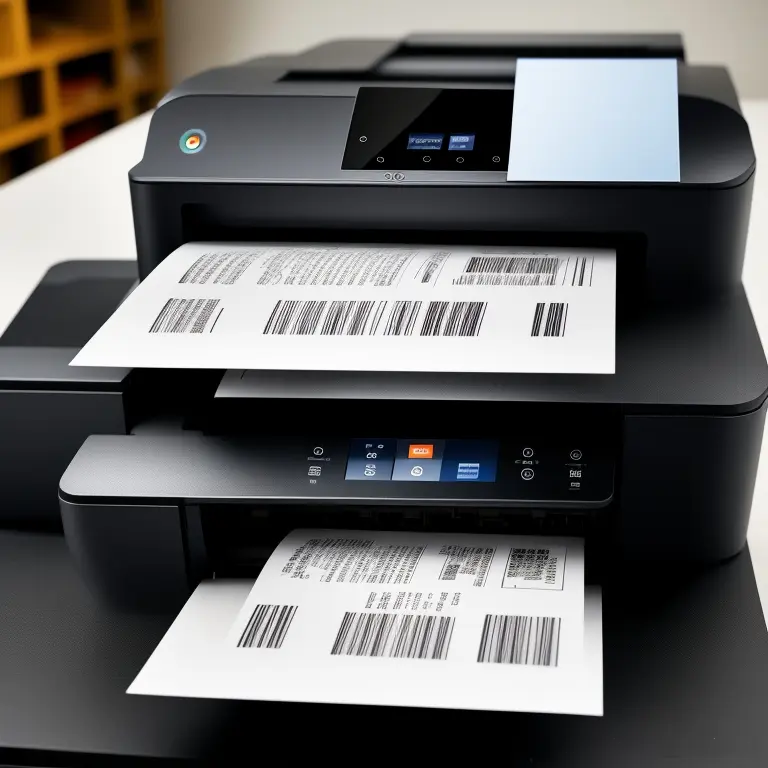
To initiate this transformation, a thermal printhead plays a crucial role. This component is found in the printing mechanism and consists of a row of tiny heating elements. These elements are precisely controlled to apply heat selectively to the thermal paper’s surface.
3. The Selective Heating Process
As the thermal printhead comes into contact with the thermal paper, it activates specific heating elements in response to the desired image or text. By applying heat only where needed, the printhead causes the heat-sensitive coating to react and darken, forming the intended content.
The result? A high-resolution, sharp printout that is not only durable but also incredibly fast to produce. This efficiency is one of the standout features of thermal paper, making it the preferred choice for applications that require speedy and reliable printing, such as point of sale (POS) systems and ticketing.
A Green Printing Alternative
Apart from its remarkable efficiency, thermal paper also boasts eco-friendly credentials. Unlike traditional printing methods that rely on ink or toner cartridges, thermal paper generates minimal waste. There are no empty cartridges to dispose of, reducing the environmental impact significantly.
Moreover, thermal paper doesn’t contain the harmful chemicals often associated with traditional printing consumables. This makes it a cleaner and greener option, aligning with sustainability efforts across various industries.
Sting Bull Ribbon’s Commitment to Quality
As a multibrand store catering to a diverse range of industries, Sting Bull Ribbon understands the importance of high-quality printing solutions. Our commitment to providing top-tier thermal paper products stems from our belief in the power of efficient and eco-friendly printing.
In our collections, you’ll find an array of thermal paper options designed to meet the unique needs of different applications. Whether you’re in retail, healthcare, or any other field that relies on printing solutions, we’ve got you covered with thermal paper that offers the perfect blend of precision and environmental responsibility.
The science behind thermal paper is a testament to human ingenuity. It harnesses the simple but powerful force of heat to create crisp, durable prints while minimizing environmental impact. As technology continues to evolve, thermal paper remains a reliable and essential tool in our ever-changing world. Explore our thermal paper collection at Sting Bull Ribbon and experience the magic of thermal printing for yourself.
Advantages of Thermal Paper
Thermal paper is more than just a convenient printing solution; it’s a technology with a multitude of advantages that have made it a preferred choice in various industries. In this section, we’ll delve into these advantages, shedding light on why thermal paper stands out among its printing counterparts.
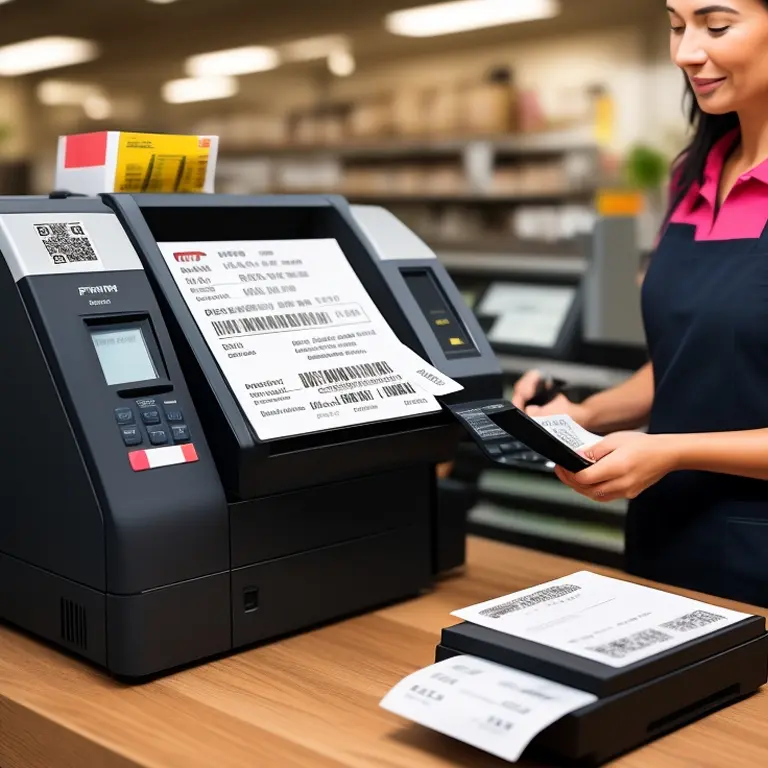
1. Exceptional Print Quality
One of the most striking advantages of thermal paper is its ability to produce exceptional print quality. The heat-sensitive coating and precise control of the thermal printhead result in sharp, high-resolution images and text. This clarity is particularly crucial in applications where legibility and precision are paramount, such as medical imaging and labeling.
2. Speed and Efficiency
Thermal paper is synonymous with speed and efficiency. Its simple heat-based printing process means there are no complex mechanical components or ink cartridges to contend with. This inherent simplicity allows for rapid printing, making it the go-to choice for industries that require quick, on-the-fly printing, such as point of sale (POS) systems.
In the world of retail, every second counts, and thermal paper ensures that receipts are generated swiftly, enhancing the overall customer experience.
3. Low Maintenance Requirements
Imagine a printing solution that doesn’t demand constant cartridge replacements or meticulous upkeep. That’s precisely what thermal paper offers. Since it doesn’t rely on ink or toner, you can say goodbye to the hassles of changing consumables. This not only reduces operational costs but also minimizes downtime, ensuring seamless business operations.
4. Eco-Friendliness
Sustainability is a growing concern in today’s world, and thermal paper aligns perfectly with environmentally conscious practices. Its eco-friendliness stems from its minimal waste production. With no ink or toner cartridges to dispose of, thermal paper generates far less waste compared to traditional printing methods.
Furthermore, thermal paper doesn’t contain the potentially harmful chemicals found in some ink formulations, making it a cleaner and greener option for businesses and organizations committed to reducing their environmental footprint.
5. Versatility in Applications
Thermal paper’s versatility knows no bounds. It has found its way into numerous applications across various industries, including:
- Point of Sale (POS) Systems: Where quick and reliable receipt printing is essential.
- Shipping Labels and Barcodes: Ensuring efficient tracking and management.
- Medical Applications: Producing EKGs, ultrasound images, and medical labels.
- Tickets and Boarding Passes: Fast, legible printing for travel and event tickets.
- Lottery Tickets and Gaming: Featuring tamper-evident security features.
These are just a few examples, and the list continues to expand as new applications emerge, highlighting the adaptability of thermal paper technology.
Sting Bull Ribbon’s Commitment to Quality
At Sting Bull Ribbon, we understand the significance of high-quality printing solutions. Our commitment to offering top-notch thermal paper products stems from the recognition of these advantages. We aim to provide our customers with printing solutions that are not only efficient but also environmentally responsible.
In our thermal paper collection, you’ll find a range of options tailored to meet the diverse needs of various industries. Whether you’re in retail, healthcare, or any field that relies on printing, our thermal paper products embody the perfect blend of precision and eco-consciousness.
The advantages of thermal paper extend beyond mere convenience. Its exceptional print quality, speed, low maintenance requirements, eco-friendliness, and versatility make it an ideal choice for businesses seeking efficient and responsible printing solutions. Explore our collection at Sting Bull Ribbon and experience firsthand the myriad benefits of thermal paper technology.
Common Uses of Thermal Paper: Where It Shines
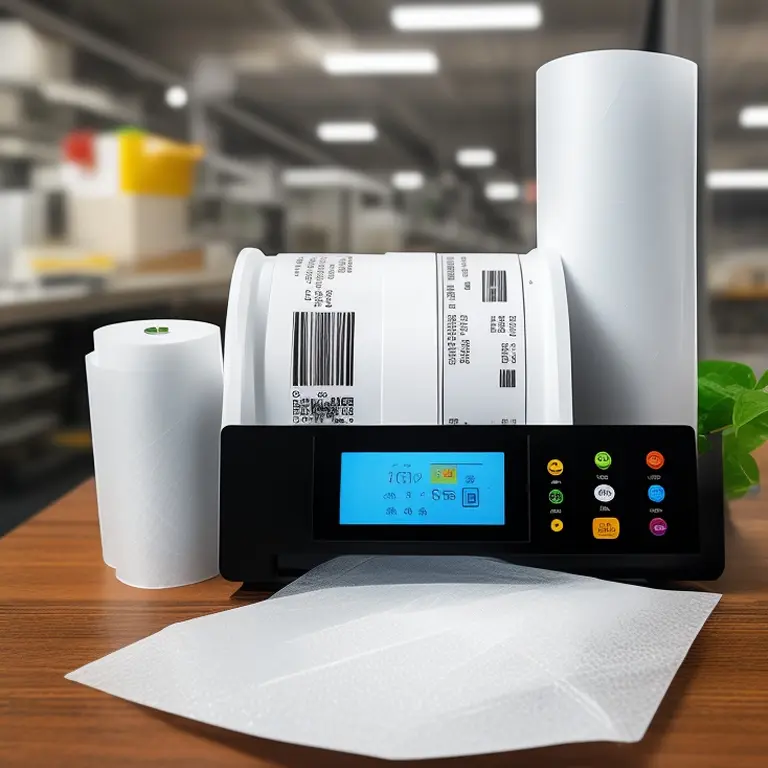
Thermal paper’s versatility extends far beyond the confines of your everyday printing solutions. Its remarkable properties have positioned it as an indispensable tool in a wide array of applications across various industries. In this section, we’ll take a closer look at the common uses of thermal paper and how it shines in each of these scenarios
1. Point of Sale (POS) Systems and Receipts
In the fast-paced world of retail, efficiency is paramount. This is where thermal paper truly excels. It serves as the backbone of POS systems, ensuring that every transaction concludes with a crisp, legible receipt.
- Advantages: Thermal paper delivers swift printing, allowing customers to leave the store with their receipts in hand almost immediately. This efficiency not only enhances the customer experience but also streamlines business operations.
2. Shipping Labels and Barcodes
Efficient logistics and accurate tracking are vital for businesses involved in shipping and inventory management. Thermal paper plays a crucial role in this domain by providing clear, durable shipping labels and barcodes.
- Advantages: The ability to produce high-quality labels quickly ensures that packages are accurately labeled for efficient tracking and streamlined shipping processes.
3. Medical Applications
In healthcare, precision and reliability are paramount. Thermal paper finds extensive use in producing medical images and labels, such as EKGs and ultrasound images.
- Advantages: Its exceptional print quality ensures that medical professionals can rely on the accuracy of the images and data they generate. Additionally, thermal paper’s speed is crucial in critical medical situations.
4. Tickets and Boarding Passes
Whether you’re catching a flight or attending a concert, thermal paper often facilitates your entry. It’s the preferred choice for printing tickets and boarding passes.
- Advantages: The rapid printing capabilities of thermal paper are perfect for situations where large numbers of tickets or passes need to be generated quickly. This helps avoid long queues and ensures a smooth entry process.
5. Lottery Tickets and Gaming
When it comes to lottery tickets and gaming, security is paramount. Thermal paper is used to print these tickets, incorporating tamper-evident features to safeguard the integrity of the games.
- Advantages: Thermal paper’s heat-sensitive properties make it ideal for creating secure, tamper-resistant tickets. Any attempt to alter the ticket becomes evident, maintaining the fairness and credibility of the game.
Sting Bull Ribbon: Your Source for Quality Thermal Paper
At Sting Bull Ribbon, we understand that different industries have unique printing needs. That’s why our thermal paper collection caters to a diverse range of applications. Whether you’re in retail, healthcare, logistics, or entertainment, our thermal paper products are designed to meet your specific requirements.
The common uses of thermal paper underscore its adaptability and efficiency in a wide range of applications. From enhancing customer experiences at the point of sale to ensuring the accuracy of medical diagnoses and securing gaming and lottery tickets, thermal paper continues to shine in various industries. Explore our collection at Sting Bull Ribbon and discover how thermal paper can elevate your printing needs to the next level.
Types of Thermal Paper: Diving Deeper into Varieties

When it comes to thermal paper, it’s not just a one-size-fits-all solution. The world of thermal paper boasts a variety of types, each tailored to specific applications and printing requirements. In this section, we’ll explore the different types of thermal paper and what sets them apart.
1. Direct Thermal vs. Thermal Transfer
Direct Thermal Paper:
- Working Principle: Direct thermal paper relies on heat-sensitive paper that darkens when exposed to heat. It doesn’t require a ribbon, making it a simple and cost-effective option.
- Advantages: Direct thermal paper is ideal for applications where cost-efficiency and simplicity are key. It’s commonly used in receipt printing and labeling applications.
- Notable Characteristics: The prints are sensitive to heat and may fade over time when exposed to heat or sunlight.
Thermal Transfer Paper:
- Working Principle: Thermal transfer paper uses a ribbon to transfer ink onto the paper when heat is applied. It offers more durability and longevity compared to direct thermal paper.
- Advantages: Thermal transfer paper produces long-lasting prints that are resistant to fading, heat, and moisture. It’s preferred for applications like shipping labels and product tags.
- Notable Characteristics: The prints on thermal transfer paper are more permanent and resistant to environmental factors, making them suitable for products with extended lifecycles.
2. Different Sizes and Formats
Thermal paper comes in a variety of sizes and formats to accommodate diverse printing needs:
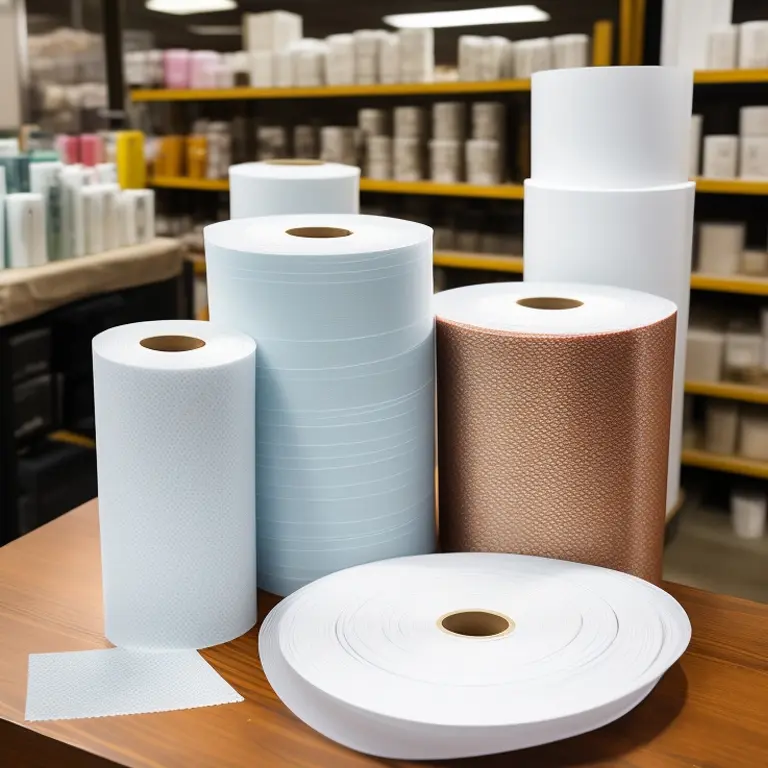
- Receipt Rolls: These small, compact rolls are commonly used in point of sale (POS) systems. They are designed for swift, on-the-spot receipt printing.
- Label Sheets: Thermal label sheets come in various dimensions and are often used for barcode printing and labeling.
- Fanfolded Sheets: These are continuous sheets of thermal paper that are fanfolded for easy feeding into printers. They are commonly used in industrial settings.
3. Specialty Thermal Papers
In addition to standard thermal paper types, there are specialty thermal papers designed to meet specific needs:
- Weather-Resistant Thermal Paper: This type is designed to withstand exposure to harsh weather conditions, making it ideal for outdoor labeling and signage.
- High-Temperature Thermal Paper: It is engineered to tolerate extreme temperatures, ensuring that the prints remain intact in demanding environments.
- Thermal Wristbands: These are used for printing patient identification wristbands in healthcare settings. They are comfortable to wear and feature excellent resistance to moisture.
Sting Bull Ribbon’s Diverse Selection
At Sting Bull Ribbon, we recognize that different applications demand different types of thermal paper. Our diverse selection of thermal paper products ensures that you can find the perfect fit for your specific requirements.
Whether you’re looking for standard direct thermal paper for your retail business or need specialized thermal paper for labeling outdoor products, we have you covered. Our commitment to quality and variety ensures that you’ll find the right thermal paper type to meet your needs.
The world of thermal paper is not limited to a single type. From direct thermal to thermal transfer, various sizes and formats, and specialty papers for unique applications, thermal paper offers a wide range of options to cater to diverse printing needs. Explore our collection at Sting Bull Ribbon and discover the versatility and flexibility that different types of thermal paper can offer for your business.
Thermal Paper vs. Other Printing Technologies: Making Informed Choices
In a world where printing technology continues to evolve, it’s essential to understand how thermal paper stacks up against other printing technologies. Each method has its strengths and weaknesses, making informed choices crucial for businesses and organizations. In this section, we’ll compare thermal paper to other printing technologies and highlight the pros and cons of each.
1. Thermal Paper Printing
Advantages:
- Speed and Efficiency: Thermal paper is renowned for its speed, making it ideal for applications like point of sale (POS) systems. With no need for ink or toner, it offers hassle-free and swift printing.
- High Print Quality: Thermal paper delivers sharp, high-resolution prints, ensuring legibility and precision.
- Low Maintenance: The absence of ink or toner cartridges reduces operational costs and minimizes downtime.
Disadvantages:
- Susceptibility to Heat: Thermal paper can darken if exposed to excessive heat or sunlight, potentially impacting the longevity of prints.
- Limited Color Options: Thermal paper primarily prints in black or grayscale, making it less suitable for applications requiring vibrant colors.
2. Inkjet Printing
Advantages:
- Color Printing: Inkjet printers excel at producing vibrant, full-color prints, making them ideal for tasks like photo printing and marketing materials.
- High Resolution: Inkjet printers can achieve extremely high print resolutions, resulting in detailed and sharp images.
Disadvantages:
- Slower Printing Speed: Inkjet printers tend to be slower compared to thermal printers, which might not be suitable for high-volume tasks.
- Ink Costs: The cost of ink cartridges can add up, making inkjet printing more expensive in the long run.
3. Laser Printing
Advantages:
- Speed: Laser printers are known for their rapid printing capabilities, making them suitable for high-volume tasks in offices.
- Consistency: Laser prints are consistent and resistant to fading, ensuring long-lasting documents.
Disadvantages:
- Initial Cost: Laser printers are often more expensive to purchase upfront compared to thermal printers.
- Limited Media Compatibility: Laser printers are not as versatile as thermal printers when it comes to printing on various media types.
4. Thermal Transfer Printing
Advantages:
- Durability: Thermal transfer prints are highly durable and resistant to environmental factors like heat, moisture, and sunlight.
- Versatility: Thermal transfer printers can produce long-lasting prints on various materials, including paper, labels, and synthetic substrates.
Disadvantages:
- Complexity: Thermal transfer printing requires a ribbon, adding an extra component to manage and replace.
- Slower than Direct Thermal: While faster than inkjet or laser printing, thermal transfer printing is generally slower than direct thermal printing.
Making the Right Choice
The choice between thermal paper and other printing technologies ultimately depends on your specific needs and priorities. Consider factors such as the volume of printing, the type of materials you’ll be printing on, budget constraints, and the required print quality.
At Sting Bull Ribbon, we understand the importance of making informed printing decisions. Our diverse selection of thermal paper and other printing solutions ensures that you can find the right fit for your unique requirements. Whether you prioritize speed, color quality, or durability, we have options to meet your needs.
The choice between thermal paper and other printing technologies is not one-size-fits-all. Each method has its strengths and weaknesses, and the best choice depends on your specific printing needs and objectives. By understanding the pros and cons of each technology, you can make informed decisions that enhance your business operations and meet your printing goals. Explore our collection at Sting Bull Ribbon and discover the perfect printing solution for your organization.
Maintenance and Care Tips for Thermal Paper: Ensuring Longevity
While thermal paper offers numerous advantages, proper maintenance and care are essential to ensure its longevity and optimal performance. In this section, we’ll delve into maintenance and care tips that will help you get the most out of your thermal paper and the equipment that uses it.
1. Storage Conditions
Tip: Store thermal paper in a cool, dry place, away from direct sunlight, heat sources, and humidity.
Why: Thermal paper is sensitive to heat and moisture. Storing it in a controlled environment helps prevent premature color change and deterioration.
2. Protection from Heat and Light
Tip: Avoid exposing thermal paper to direct sunlight, heat, or prolonged light exposure.
Why: Excessive heat or prolonged light exposure can trigger color change in thermal paper, leading to faded or discolored prints. Protecting it from these elements is crucial for maintaining print quality.
3. Handling
Tip: When handling thermal paper, use clean, dry hands, and avoid touching the print surface whenever possible.
Why: Oils and dirt from your skin can transfer to the paper’s surface, potentially affecting print quality. Clean hands help maintain the integrity of the thermal coating.
4. Protection from Chemicals
Tip: Keep thermal paper away from contact with chemicals, solvents, and abrasive materials.
Why: Chemicals and abrasive substances can damage the thermal coating or cause unwanted reactions. Avoiding contact with such substances is essential for preserving the quality of the paper.
5. Proper Loading
Tip: When loading thermal paper into printers or equipment, follow the manufacturer’s instructions carefully.
Why: Proper loading ensures that the thermal paper advances correctly, reducing the risk of jams and misprints.
6. Regular Maintenance of Equipment
Tip: If you use thermal printers or equipment, follow a regular maintenance schedule as recommended by the manufacturer.
Why: Routine maintenance helps keep the equipment in optimal condition, preventing issues that can affect print quality and the lifespan of the thermal printhead.
7. Avoiding Physical Damage
Tip: Handle thermal paper with care to avoid tearing, creasing, or bending.
Why: Physical damage can result in unusable portions of the paper and may damage the thermal coating.
8. Proper Printer Settings
Tip: Ensure that your printer or equipment is correctly configured for thermal paper, including heat settings and print density.
Why: Proper settings help optimize print quality and prevent excessive heat, which can damage the thermal coating.
Conclusion: Prolonging the Life of Thermal Paper
By adhering to these maintenance and care tips, you can significantly extend the life of your thermal paper and ensure that it continues to deliver high-quality prints. Whether you use thermal paper in retail, healthcare, or any other industry, these practices will help you get the most out of this efficient and eco-friendly printing solution.
At Sting Bull Ribbon, we understand the importance of proper maintenance for printing solutions. Our commitment to quality extends to our thermal paper products, and we encourage our customers to follow these care tips to maximize their thermal paper’s lifespan and performance. Explore our collection and experience the durability and efficiency of our thermal paper products.

Environmental Concerns and Sustainability: The Green Side of Thermal Paper
As the world becomes increasingly focused on sustainability and environmental responsibility, it’s essential to consider the ecological impact of our choices, including the materials we use. In this section, we’ll dive into the environmental concerns related to thermal paper and explore its sustainability aspects.
1. The Eco-Friendliness of Thermal Paper
Thermal Paper’s Advantage: One of the standout features of thermal paper is its eco-friendliness. Unlike traditional printing methods that rely on ink or toner cartridges, thermal paper generates minimal waste. There are no empty cartridges to dispose of, reducing the environmental footprint significantly.
Chemical Considerations: Thermal paper is coated with heat-sensitive chemicals that react to produce prints. While these chemicals are carefully engineered to be safe for use, there have been concerns about their environmental impact in the past. However, advancements in thermal paper production have led to formulations that are more eco-friendly, reducing the presence of potentially harmful substances.
2. Recycling and Disposal
Recycling Thermal Paper: Thermal paper is recyclable, and many recycling facilities accept it. However, it’s important to note that thermal paper recycling differs from traditional paper recycling. Specialized processes are used to remove the thermal coating, after which the paper can be recycled like any other paper.
Responsibility in Disposal: Proper disposal is crucial to minimize the environmental impact of thermal paper. While it is biodegradable, disposing of it in landfills can be counterproductive. Therefore, it’s advisable to opt for recycling when possible.
3. Alternatives and Innovations
Eco-Friendly Alternatives: In response to growing environmental concerns, the printing industry continues to explore and develop more sustainable alternatives to traditional thermal paper. These alternatives often focus on reducing or eliminating the use of chemicals in the thermal coating.
Innovations in Sustainability: Innovations in sustainable paper technology are on the rise. Some companies are working on thermal paper coatings that rely on even more environmentally friendly materials, further reducing the ecological impact.
Sting Bull Ribbon’s Commitment to Sustainability
At Sting Bull Ribbon, we recognize the importance of sustainability in today’s world. We are committed to offering thermal paper products that align with environmentally responsible practices. Our dedication to quality extends to ensuring that our thermal paper products meet eco-friendly standards.
Conclusion: Striking a Balance
While thermal paper offers several eco-friendly advantages, it’s important to strike a balance between efficiency and environmental concerns. Responsible usage, recycling, and staying informed about sustainable alternatives are steps in the right direction.
Thermal paper continues to play a vital role in various industries, providing efficient and eco-friendly printing solutions. By considering the environmental aspects of thermal paper and taking steps to minimize its impact, we can continue to enjoy its benefits while contributing to a more sustainable future. Explore our collection at Sting Bull Ribbon and experience the convenience and eco-friendliness of thermal paper for yourself.
Future Trends in Thermal Paper: Advancements on the Horizon
The world of thermal paper is not static; it’s evolving with advancements in technology and environmental considerations. In this section, we’ll delve into some of the future trends in thermal paper that are shaping its continued growth and relevance.
1. Emerging Technologies
Thermal Paper in the Digital Age: As we move further into the digital age, thermal paper continues to find innovative uses. Advancements in thermal printhead technology are leading to more efficient and precise printing, making it even more valuable in applications where high-quality prints are critical.
Integration with Smart Devices: The integration of thermal printing technology with smart devices and IoT (Internet of Things) platforms is a growing trend. This allows for seamless, automated printing and data logging in various industries.
2. New Applications
Beyond Traditional Roles: Thermal paper is finding new roles beyond its traditional applications. For example, it’s being used in wearable technology for printing flexible displays, offering a unique blend of convenience and versatility.
Medical and Healthcare Innovations: The healthcare sector continues to benefit from thermal paper’s efficiency. New applications are emerging, such as using thermal paper for wearable health monitoring devices and point-of-care diagnostic tools.
3. Eco-Friendly Innovations
Sustainable Thermal Coatings: Innovations in thermal coatings are focused on reducing the environmental impact. Companies are developing coatings that rely on eco-friendly materials, further minimizing the ecological footprint.
Recyclable Thermal Paper: The trend of creating recyclable thermal paper continues to gain momentum. These papers are designed to be easier to recycle and fit into more standard recycling processes.
4. Enhanced Security Features
Tamper-Evident Printing: Security remains a critical concern in various industries, and thermal paper is evolving to address this. New security features, such as tamper-evident printing, are being incorporated to safeguard sensitive documents and tickets.
Authentication Technologies: Thermal paper is being used for authentication purposes, such as printing QR codes or barcodes that can be easily scanned for verification, ensuring the authenticity of products and documents.
5. Sustainable Practices in Production
Reduced Chemical Usage: The production of thermal paper is becoming more eco-friendly. Manufacturers are working to reduce the use of chemicals in the thermal coating process, aligning with sustainability goals.
Efficiency in Production: Innovations in production methods are increasing the efficiency of thermal paper manufacturing, reducing waste and energy consumption.
Conclusion: A Dynamic Future
The future of thermal paper is dynamic and promising. It continues to adapt to the changing needs of various industries, incorporating emerging technologies, enhancing sustainability, and improving security features. As new applications and innovations emerge, thermal paper remains a valuable and versatile printing solution.
At Sting Bull Ribbon, we stay at the forefront of these trends, offering thermal paper products that meet the evolving needs of our customers. Explore our collection and experience the convenience and innovation of thermal paper as it continues to shape the world of printing and beyond.
Conclusion
Thermal paper is a versatile, efficient, and eco-friendly printing solution that continues to play a vital role in various industries. At Sting Bull Ribbon, we offer a wide selection of thermal paper products in our collections. Whether you’re in retail, healthcare, or any other industry, thermal paper is here to stay, providing crisp and reliable printing solutions. Explore our collection today and experience the convenience of thermal paper for yourself.
窗体顶端
窗体底