

In the world of medical diagnostics, where accuracy and reliability are paramount, thermal ECG paper plays a vital role. This unassuming paper, with its heat-sensitive properties, is the unsung hero behind the clear and precise recording of electrocardiogram (ECG) data. In this article, we’ll delve into the composition, advantages, compatibility, and more to understand what makes thermal ECG paper an essential component in healthcare settings.
Composition of Thermal Paper

Thermal ECG paper, a critical component in the field of medical diagnostics, is engineered with precision to fulfill its specialized role in recording electrocardiogram (ECG) data. In this article, we will delve into the composition of thermal ECG paper, shedding light on the materials and components that make it a vital tool for healthcare professionals.
1. Base Paper
At the heart of thermal ECG paper is the base paper, which serves as the foundational layer. This paper is typically made from high-quality, wood-pulp-based material. The base paper’s thickness and smoothness are carefully chosen to ensure optimal printability and durability. It provides the structural support necessary to withstand the printing process and the rigors of handling.
2. Thermal Coating
The defining feature of thermal ECG paper is its thermal coating. This coating contains a specialized mixture of chemicals and dyes that react to heat. When subjected to heat from the thermal print head of an ECG machine, these chemicals undergo a color-changing reaction. This reaction results in the formation of clear, black ECG traces on the paper. The thermal coating’s heat-sensitive properties are finely tuned to produce sharp and accurate representations of electrical impulses from the heart.
3. Protective Layer
Over the thermal coating, there is often a protective layer. This layer is a transparent film or coating that safeguards the ECG traces from external factors that could potentially degrade or damage them. It acts as a barrier against moisture, contaminants, and physical abrasions. The protective layer ensures the long-term legibility and integrity of the recorded ECG data.
4. Adhesive Backing (Optional)
In some cases, thermal ECG paper may feature an adhesive backing on the reverse side. This adhesive allows healthcare professionals to secure the ECG strips to patient records or charts, ensuring that the data remains associated with the correct patient. The adhesive backing is typically designed for easy application and removal without leaving residue on surfaces.
5. Roll or Sheet Form
Thermal ECG paper is available in various formats, including rolls and sheets. The choice of format depends on the specific requirements of the ECG machine being used. Rolls are commonly used in high-volume settings, providing continuous printing for extended periods. Sheets are convenient for single or small-batch printouts, making them suitable for situations where individual ECG records are needed.
The composition of thermal ECG paper is a finely tuned combination of base paper, thermal coating, protective layer (if present), and optional adhesive backing. This careful engineering ensures that the paper can withstand the heat of the thermal print head, produce accurate ECG traces, and protect the recorded data from external factors. Understanding the composition of thermal ECG paper underscores its critical role in providing healthcare professionals with reliable and accurate ECG recordings for patient diagnosis and care.
Advantages of Thermal ECG Paper
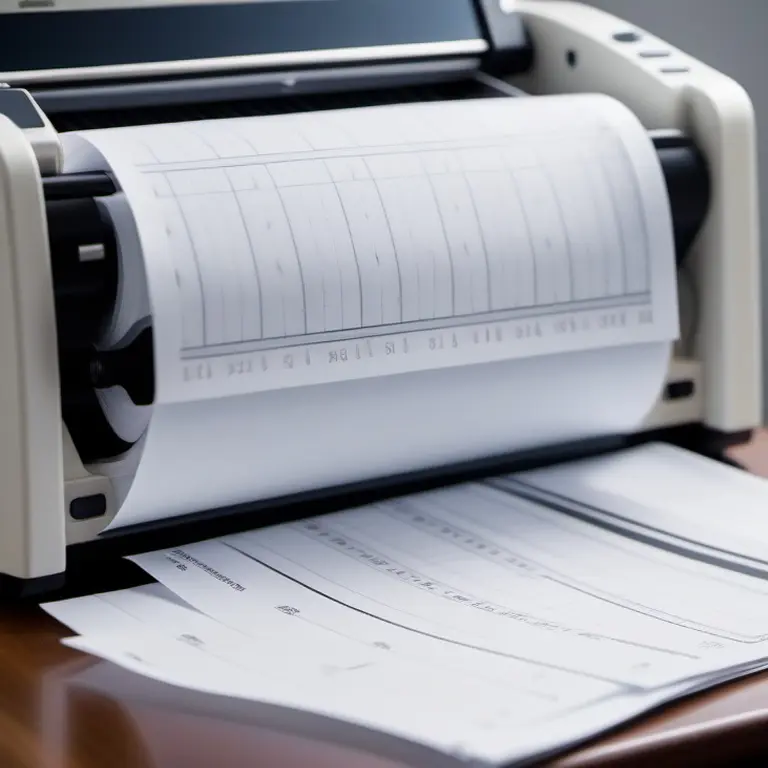
Thermal ECG paper, with its heat-sensitive properties, offers several significant advantages in the field of medical diagnostics. In this article, we will explore these advantages in detail, highlighting why thermal ECG paper is a preferred choice for healthcare professionals.
1. Real-time Data Output
One of the most notable advantages of thermal ECG paper is its ability to provide real-time data output. Unlike traditional ECG paper that may require additional time for ink or toner to dry, thermal paper instantly produces clear and crisp ECG traces as soon as it passes through the printer’s thermal print head. This real-time feature is invaluable in critical medical situations where immediate results are essential for making life-saving decisions.
2. Maintenance-free Operation
Thermal ECG paper eliminates the need for consumables like ink or toner. Traditional ECG machines that rely on ink-based printing can require frequent replacement of cartridges, resulting in ongoing maintenance costs. In contrast, thermal ECG paper only requires the paper itself, reducing maintenance efforts and expenses. This convenience allows healthcare facilities to focus on patient care rather than printer upkeep.
3. Consistent Print Quality
Print quality consistency is crucial in medical diagnostics, where even the smallest details matter. Thermal ECG paper excels in maintaining consistent print quality over time. The heat-sensitive chemicals in the paper react reliably with the thermal print head, ensuring that ECG traces are consistently clear, legible, and accurate. This reliability is essential for healthcare professionals when interpreting ECG data accurately.
4. Durability and Longevity
Thermal ECG paper is engineered for durability and longevity. It can withstand environmental factors and remains resistant to fading or deterioration over time. ECG traces recorded on thermal paper retain their quality for extended periods, allowing medical professionals to review and analyze historical data with confidence. This durability ensures that important patient records remain intact for reference and analysis.
5. Reduced Environmental Impact
Thermal ECG paper is an eco-friendly choice compared to traditional ECG paper that relies on ink or toner. By eliminating the need for consumables, thermal ECG paper reduces waste and the environmental footprint associated with printer supplies. This sustainability aspect aligns with the growing trend toward environmentally responsible practices in healthcare.
6. Cost-effectiveness
While the initial investment in thermal ECG paper may be slightly higher than traditional paper, the long-term cost savings are significant. The elimination of consumable costs, coupled with reduced maintenance expenses, makes thermal ECG paper a cost-effective choice for healthcare facilities. It allows them to allocate resources more efficiently for patient care and other critical needs.
In conclusion, thermal ECG paper offers multiple advantages that make it the preferred choice for medical diagnostics. Its real-time data output, maintenance-free operation, consistent print quality, durability, reduced environmental impact, and cost-effectiveness collectively contribute to more efficient and reliable healthcare practices. By choosing thermal ECG paper, healthcare professionals can enhance patient care, improve diagnostic accuracy, and reduce operational costs, ultimately benefiting both patients and healthcare organizations.
Durability and Quality of Thermal ECG Paper

Thermal ECG paper, with its heat-sensitive properties, is not only known for its real-time data output but also for its exceptional durability and print quality. In this article, we will delve into the aspects that make thermal ECG paper a reliable choice for medical diagnostics.
1. Long-lasting Durability
Thermal ECG paper is engineered to withstand the test of time. Its base paper is chosen for its durability and resistance to wear and tear. This durability ensures that ECG traces recorded on thermal paper remain intact and legible over extended periods. Healthcare professionals can confidently refer back to historical ECG records without concerns about fading or degradation.
2. Resistance to Environmental Factors
ECG traces on thermal paper are highly resistant to environmental factors that can affect other recording methods. Thermal paper is less susceptible to smudging, smearing, or running when exposed to moisture or humidity. This resistance ensures that the ECG data remains clear and interpretable even in less-than-ideal conditions, which can be crucial in emergency situations.
3. Consistent Print Quality
The print quality of thermal ECG paper remains consistently high throughout its lifespan. The thermal coating’s heat-sensitive chemicals react reliably with the thermal print head, resulting in sharp and accurate ECG traces. This consistency is crucial for healthcare professionals who rely on the clarity and precision of ECG recordings to make accurate diagnoses and treatment decisions.
4. Archival Quality
Thermal ECG paper is often considered to have archival quality, meaning it can preserve ECG data for an extended period without degradation. This archival capability is essential for healthcare facilities that must maintain patient records for regulatory compliance or reference purposes. Patients may require follow-up care or consultations years after their initial ECG, making the long-term integrity of the recorded data crucial.
5. Minimal Maintenance
Unlike traditional ECG paper that may require ongoing maintenance, such as changing ink or toner cartridges, thermal ECG paper is virtually maintenance-free. This reduces the operational burden on healthcare facilities, allowing them to focus their resources on patient care rather than printer upkeep.
6. Enhanced Interpretation
The durability and quality of thermal ECG paper contribute to enhanced interpretation of ECG data. Healthcare professionals can trust that the recorded traces accurately represent the patient’s cardiac activity, leading to more precise diagnoses and treatment plans. This level of trust in the data is essential in critical healthcare scenarios.
In conclusion, the durability and quality of thermal ECG paper make it an indispensable tool in medical diagnostics. Its long-lasting durability, resistance to environmental factors, consistent print quality, archival capabilities, minimal maintenance requirements, and enhancement of data interpretation collectively contribute to better patient care and diagnostic accuracy. Thermal ECG paper ensures that the critical information recorded during an ECG remains reliable and accessible for years to come, ultimately benefiting both patients and healthcare providers.
Compatibility with ECG Machines
The compatibility between thermal ECG paper and ECG machines is a critical factor in ensuring accurate and efficient cardiac monitoring. In this article, we will explore the importance of compatibility and how thermal ECG paper seamlessly integrates with various ECG machines.
1. Universal Compatibility
Thermal ECG paper is designed for universal compatibility with a wide range of ECG machines, making it a versatile choice for healthcare facilities. Whether you have a traditional 12-lead ECG machine or a more advanced digital ECG system, thermal ECG paper can typically be used without compatibility concerns. This universality simplifies the procurement process for healthcare organizations, as they can stock a single type of ECG paper for multiple machines.
2. Standard Paper Sizes
Thermal ECG paper is available in standard paper sizes that align with industry norms and ECG machine specifications. Common sizes include 8.5 x 11 inches, 210 mm x 280 mm, and 216 mm x 280 mm, among others. These standard sizes ensure that the paper fits seamlessly into ECG machines without the need for custom adjustments or trimming, reducing the risk of paper jams and operational disruptions.
3. Precision Calibration
Thermal ECG paper is precision-calibrated to work optimally with the thermal print heads of ECG machines. The heat-sensitive coating on the paper is engineered to react precisely to the thermal energy generated by the print head, resulting in clear and accurate ECG traces. This calibration ensures that the printed data represents the patient’s cardiac activity with high fidelity.
4. Easy Loading Mechanism
Most ECG machines are designed with user-friendly paper loading mechanisms that accommodate thermal ECG paper effortlessly. Healthcare professionals can load the paper quickly and securely, minimizing downtime between patient tests. This ease of use is particularly important in busy clinical settings where efficiency is paramount.
5. Real-time Printing
Thermal ECG paper’s compatibility with ECG machines enables real-time printing of ECG traces. As soon as the patient’s ECG is recorded, the paper passes through the thermal print head, producing instant results. This real-time feature is crucial in critical care situations where immediate access to ECG data is essential for making rapid medical decisions.
6. Seamless Integration
Thermal ECG paper seamlessly integrates with the data management systems of modern ECG machines. This integration allows for the automatic transfer of ECG data to electronic health records (EHR) and other digital platforms, streamlining record-keeping and improving data accessibility for healthcare providers.
The compatibility between thermal ECG paper and ECG machines is a fundamental aspect of efficient cardiac monitoring in healthcare settings. With its universal compatibility, standard paper sizes, precision calibration, easy loading mechanism, real-time printing capabilities, and seamless integration with data management systems, thermal ECG paper ensures that healthcare professionals have access to accurate and timely ECG data. This compatibility enhances patient care, diagnosis, and treatment, making it an indispensable tool in the field of cardiology.
Storage and Handling of Thermal ECG Paper
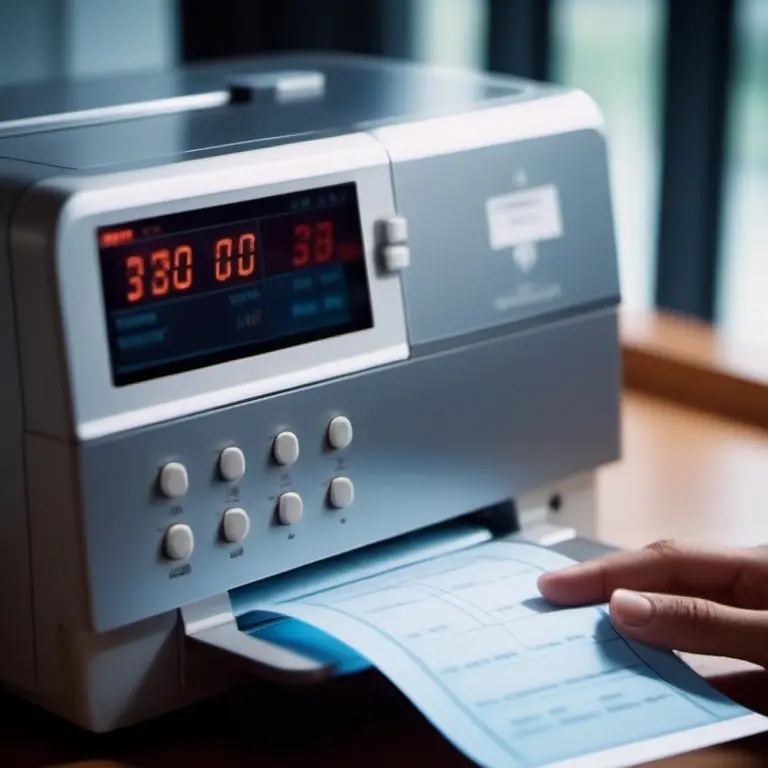
Proper storage and handling of thermal ECG paper are essential to ensure the integrity and longevity of this critical component in medical diagnostics. In this article, we will discuss the best practices for storing and handling thermal ECG paper in healthcare settings.
1. Storage Conditions
- Temperature Control: Thermal ECG paper should be stored in a controlled environment with a consistent temperature. Ideally, the storage area should be kept at around 68-77°F (20-25°C) to prevent any adverse effects on the paper’s thermal coating. Avoid extreme heat or cold, as temperature fluctuations can affect print quality.
- Humidity Control: Maintain moderate humidity levels in the storage area. Excess moisture can cause the paper to become damp and less receptive to the thermal printing process. Aim for humidity levels between 40% and 60% to ensure optimal paper performance.
- Protection from Light: Store thermal ECG paper away from direct sunlight or harsh artificial lighting. Prolonged exposure to UV rays can degrade the thermal coating and result in poor print quality. Keep the paper in a dark or low-light environment.
2. Packaging
- Original Packaging: Whenever possible, keep thermal ECG paper in its original packaging. The manufacturer’s packaging is designed to protect the paper from environmental factors and potential damage during storage.
- Seal the Packaging: If the original packaging has been opened, seal it tightly to prevent moisture, dust, or contaminants from entering. Use adhesive tape or resealable plastic bags to ensure a secure seal.
3. Handling Procedures
- Clean Hands: Always handle thermal ECG paper with clean, dry hands to prevent the transfer of oils, dirt, or moisture onto the paper’s surface. Contaminants on your hands can affect print quality and readability.
- Avoid Scratches: Be cautious when handling the paper to avoid scratching the thermal coating. Scratches or abrasions can lead to irregularities in the printed ECG traces.
- Loading Procedure: When loading thermal ECG paper into the ECG machine, follow the manufacturer’s instructions carefully. Ensure that the paper is inserted correctly, aligned with the print head, and securely fastened in place to prevent paper jams.
4. Rotation and First-In, First-Out (FIFO)
- Inventory Rotation: If you have a stock of thermal ECG paper, practice FIFO inventory management. Use the oldest stock first to ensure that the paper is used before its shelf life expires.
- Check Expiration Dates: Regularly inspect the packaging for expiration dates and discard any paper that has exceeded its shelf life. Expired paper may not produce reliable ECG traces.
5. Regular Inspections
- Visual Inspections: Periodically inspect the thermal ECG paper for any signs of damage, discoloration, or irregularities. If you notice any issues, such as yellowing or fading, consider replacing the paper.
6. Secure Storage
- Protection from Contaminants: Store thermal ECG paper away from sources of potential contamination, such as chemicals, liquids, or dust. Contaminants can affect print quality and readability.
- Safe from Physical Damage: Ensure that the paper is stored in a location where it is protected from physical damage, such as being crushed or bent.
By following these guidelines for the storage and handling of thermal ECG paper, healthcare facilities can maintain the quality and reliability of ECG recordings, ultimately contributing to more accurate diagnoses and improved patient care.
Cost-effectiveness of Thermal ECG Paper

Cost-effectiveness is a crucial consideration in the healthcare industry, where resources must be allocated efficiently to provide quality patient care while managing expenses. In this article, we will explore how the use of thermal ECG paper contributes to cost-effectiveness in medical diagnostics.
1. Reduced Maintenance Costs
One of the significant advantages of thermal ECG paper is its low maintenance requirements. Unlike traditional ECG machines that may rely on ink or toner cartridges, thermal ECG printers use a heat-sensitive coating on the paper. This eliminates the need for ongoing maintenance associated with ink or toner replacement, resulting in cost savings over time. Healthcare facilities can allocate their budgets to other critical areas of patient care.
2. Minimal Paper Waste
Thermal ECG paper produces prints on-demand, meaning it generates ECG traces only when needed. This reduces paper waste compared to continuous-feed ECG paper, where long strips of paper may be used even for short ECG recordings. With thermal ECG paper, healthcare providers can optimize paper usage, reducing overall costs and environmental impact.
3. Real-time Printing
Thermal ECG paper’s real-time printing capabilities enhance efficiency in healthcare settings. Immediate access to ECG results eliminates the need for additional printing or retesting, saving valuable time for both healthcare professionals and patients. Faster diagnoses can lead to more efficient treatment plans, shorter hospital stays, and cost savings for healthcare facilities.
4. Long-lasting Durability
Thermal ECG paper’s durability ensures that ECG traces remain intact and legible over time. This reduces the likelihood of needing to repeat tests due to faded or degraded print quality. Fewer repeated tests mean cost savings for healthcare providers and less inconvenience for patients.
5. Archival Quality
Thermal ECG paper is often considered to have archival quality, meaning it can preserve ECG data for extended periods without degradation. This is particularly beneficial for healthcare facilities that need to maintain patient records for regulatory compliance or reference purposes. Long-term data integrity reduces the risk of legal issues and ensures that historical patient data remains accessible.
6. Integration with Digital Systems
Thermal ECG paper seamlessly integrates with digital data management systems and electronic health records (EHR). This integration eliminates the need for manual data entry and reduces the risk of transcription errors. Streamlined data handling not only improves patient care but also lowers administrative costs associated with data management.
7. Standardized Paper Sizes
Thermal ECG paper is available in standardized paper sizes compatible with most ECG machines. This standardization simplifies procurement, as healthcare facilities can stock a single type of paper for multiple machines. Bulk purchasing of standardized paper sizes can lead to cost savings through volume discounts.
Conclusion
In conclusion, thermal ECG paper is a critical component in the field of medical diagnostics. Its unique composition, convenience, durability, and compatibility with ECG machines make it an invaluable tool for healthcare professionals. When used correctly, this paper ensures the accurate and reliable recording of ECG data, contributing to better patient care and diagnostics. So, the next time you see those distinct black ECG traces on a strip of thermal paper, remember the role this unassuming paper plays in saving lives and improving healthcare outcomes.