
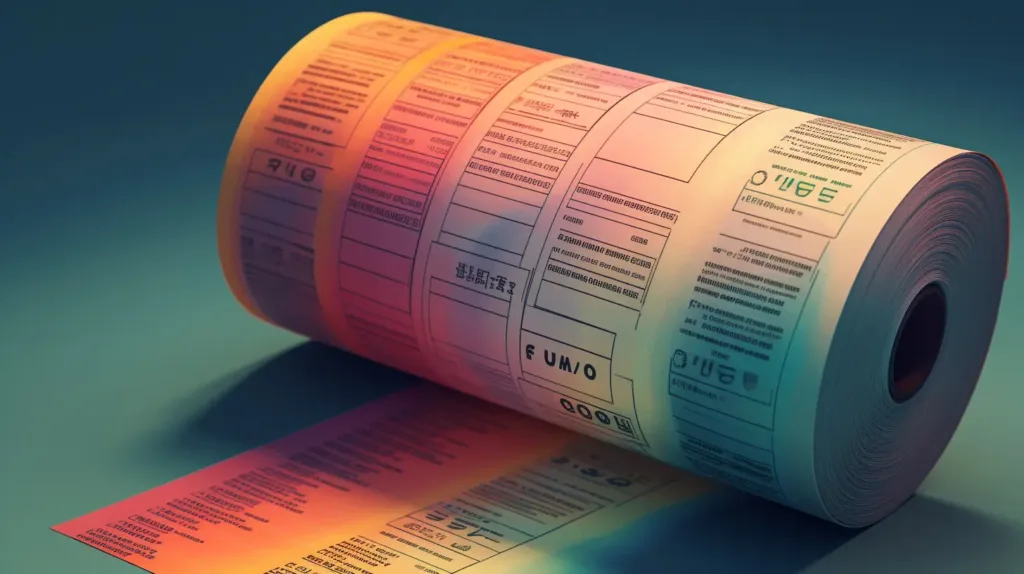
In the world of modern commerce, thermal paper plays an essential role in daily transactions. It’s the paper that generates your receipts at the grocery store, prints out tickets at the cinema, and records your transactions at the ATM. It’s convenient, efficient, and seemingly harmless. But is thermal paper as innocuous as it appears, or does it conceal a toxic secret?
Unveiling the Thermal Paper Mystery
Thermal Paper vs. Traditional Paper: A Detailed Comparison
1. Material:
- Thermal Paper: Thermal paper is a special type of paper with a thermally sensitive coating on its surface, typically containing thermosensitive chemicals such as thermosensitive dyes or leuco dyes. These chemicals undergo a color change when subjected to heat, allowing for printing or recording.
- Traditional Paper: Traditional paper is typically made from wood pulp, fibers, or cotton fibers and lacks coatings, making it unsuitable for thermal printing or recording.
2. Printing Method:
- Thermal Paper: Thermal paper is printed using thermal printers or similar devices. When the print head heats up, the thermosensitive coating on thermal paper undergoes a color change, forming text, images, or barcodes, among other things.
- Traditional Paper: Traditional paper is printed using ink, pencils, pens, or laser printing, among other methods.
3. Applications:
- Thermal Paper: Thermal paper is commonly used in situations where instant printing and recording are required, such as receipts, invoices, labels, tickets, point-of-sale (POS) machine printing, medical records, and more.
- Traditional Paper: Traditional paper is used for books, newspapers, magazines, letters, documents, artwork, and numerous other applications.
4. Durability:
- Thermal Paper: Thermal printing is relatively fragile, and exposure to light, heat, humidity, and other environmental factors can cause the printed information to fade or disappear.
- Traditional Paper: Traditional paper is typically more durable and can be preserved for longer periods without significant fading or damage.
5. Environmental Impact:
- Thermal Paper: The production of thermal paper may involve chemicals, and due to its special coating, it can be challenging to handle and recycle. Additionally, some thermal papers contain controversial chemicals like BPA (bisphenol A).
- Traditional Paper: Traditional paper can be made from sustainable forestry and recycled materials, resulting in a lower environmental impact. It is also easily recyclable and reusable.
In contrast, thermal paper introduces a layer of complexity to the recycling process. Its defining feature is a heat-sensitive coating that reacts to heat, allowing for quick and high-quality prints without the need for ink cartridges or ribbons. While this coating is fantastic for creating sharp text and graphics on demand, it poses challenges when it comes to recycling.
The Bisphenol A (BPA) Factor
One of the primary concerns in the thermal paper toxicity debate revolves around Bisphenol A, commonly known as BPA. This chemical compound plays a crucial role in thermal paper’s rapid printing process.
BPA’s function in thermal paper is to facilitate the reaction to heat, producing the desired print. While it undeniably serves this purpose effectively, it has attracted its fair share of environmental and health concerns.
“BPA’s role in thermal paper is to facilitate heat-induced printing. While efficient, it raises questions about environmental safety,” explains Stingbull Ribbon.
Numerous studies have linked BPA to various health risks, including reproductive and developmental problems, hormonal imbalances, and even cancer. These concerns have prompted a push for BPA-free thermal paper alternatives.
The Recycling Conundrum
Sorting Complexities
Recycling facilities are confronted with a unique challenge when it comes to thermal paper. While traditional paper can be readily sorted and processed without complications, thermal paper introduces a layer of complexity.
The heat-sensitive coating on thermal paper, which reacts to heat to create prints, can contaminate the recycling stream. When thermal paper mixes with regular paper in the recycling process, it can lead to increased costs and difficulties in the recycling process.
“Thermal paper’s unique properties require specialized handling,” notes Stingbull Ribbon.
This need for specialized sorting and processing techniques drives up the operational costs for recycling facilities. The added expense can be a significant deterrent for recycling centers, leading some to avoid thermal paper altogether.
Geographical Disparities
Recycling should ideally be a universal practice, accessible to all. However, the reality is that not all recycling facilities are equipped to handle thermal paper effectively. Depending on your location, you may find that recycling options for thermal paper are limited. In some regions, facilities are well-prepared to manage it, while in others, it may be more challenging to find suitable recycling solutions.
Mixed Industry Views
Interestingly, there isn’t a unanimous consensus within the recycling industry regarding thermal paper. Different recycling facilities have varying policies and approaches to thermal paper recycling.
“Different recycling facilities have varying policies. Some accept thermal paper, while others avoid it due to processing challenges,” says Stingbull Ribbon.
Some recycling facilities are willing to accept thermal paper and have implemented strategies to deal with its unique properties. Others, however, may choose to steer clear of thermal paper due to the sorting and processing challenges it presents.
Eco-Friendly Alternatives
Opt for BPA-Free Thermal Paper
In the quest for sustainable choices, one path leads us to BPA-free thermal paper. As we discussed earlier, Bisphenol A (BPA) is a common component in traditional thermal paper and has raised environmental concerns. Fortunately, manufacturers have recognized this issue and responded with BPA-free alternatives.
Opting for BPA-free thermal paper is a significant step toward reducing the environmental impact associated with thermal paper usage. These alternatives eliminate the use of BPA, making them a safer and more eco-conscious choice.
Responsible Disposal
In situations where recycling options for thermal paper are limited, responsible disposal becomes paramount. This practice ensures that thermal paper doesn’t end up in landfills, where it may not decompose as efficiently as traditional paper.
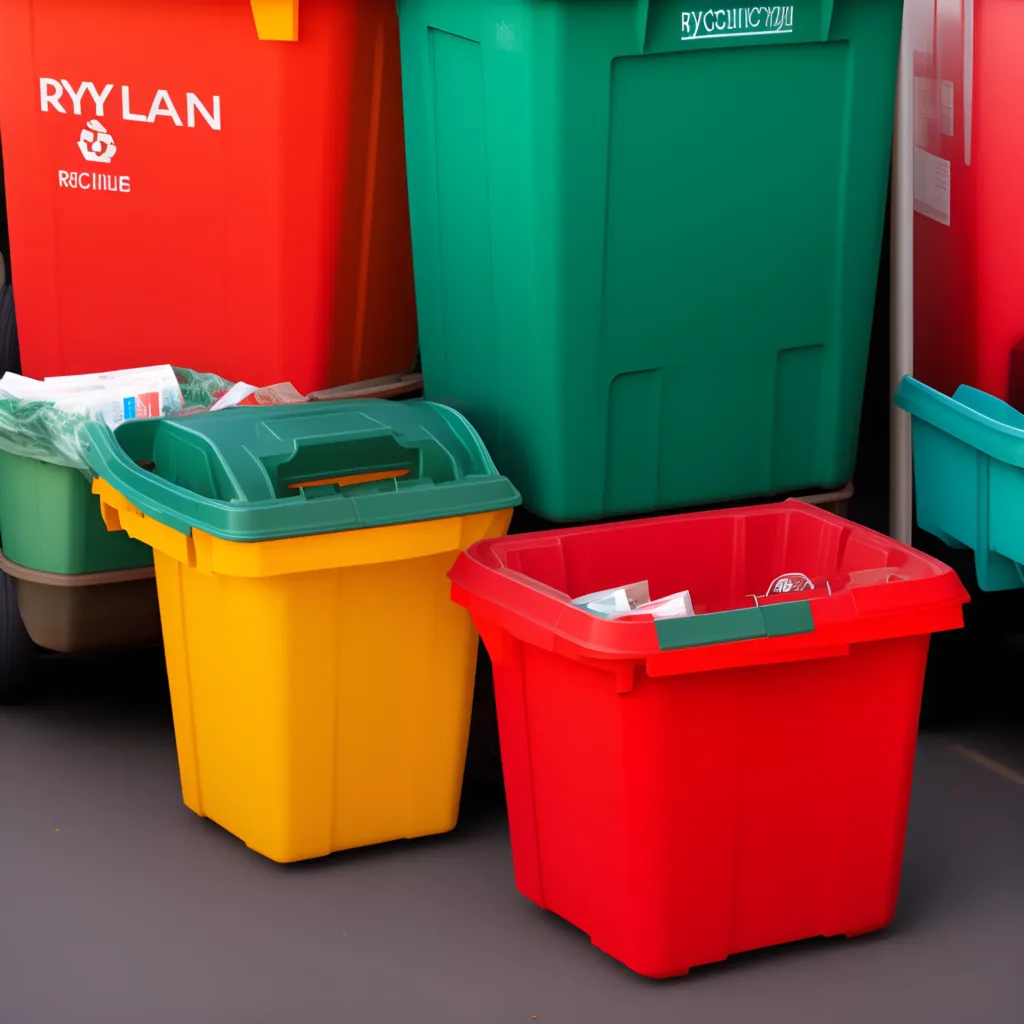
Compliance with local regulations for paper waste is crucial. This can include using designated recycling bins or disposal containers meant for paper products. These measures prevent thermal paper from contributing to the growing problem of waste in landfills.
Reduce Usage
Perhaps the most impactful step in promoting sustainability is to reduce the usage of thermal paper. While it’s undoubtedly convenient for various applications, evaluating whether certain processes can transition to digital alternatives can significantly reduce the demand for thermal paper.
In an increasingly digital world, many tasks that previously relied on thermal paper can now be accomplished electronically. For instance, consider using digital receipts instead of printed ones, or shifting to electronic record-keeping in place of printed documents. Even small reductions in thermal paper usage can collectively make a substantial difference in reducing environmental impact.
Conclusion: Making Informed Choices
As we explore the world of thermal paper and its impact on the environment, we discover that while it may present certain recycling challenges, there are alternative steps we can take to minimize its footprint.
“Every small choice contributes to a greener future. Join us at Stingbull Ribbon in the pursuit of a sustainable world,” urges Stingbull Ribbon.
So, whether you’re reaching for that thermal paper receipt or contemplating eco-friendly alternatives, remember that your awareness and choices can make a significant impact. Let’s join hands in the pursuit of a greener world, one conscious decision at a time.