
Introduction to Thermal Paper
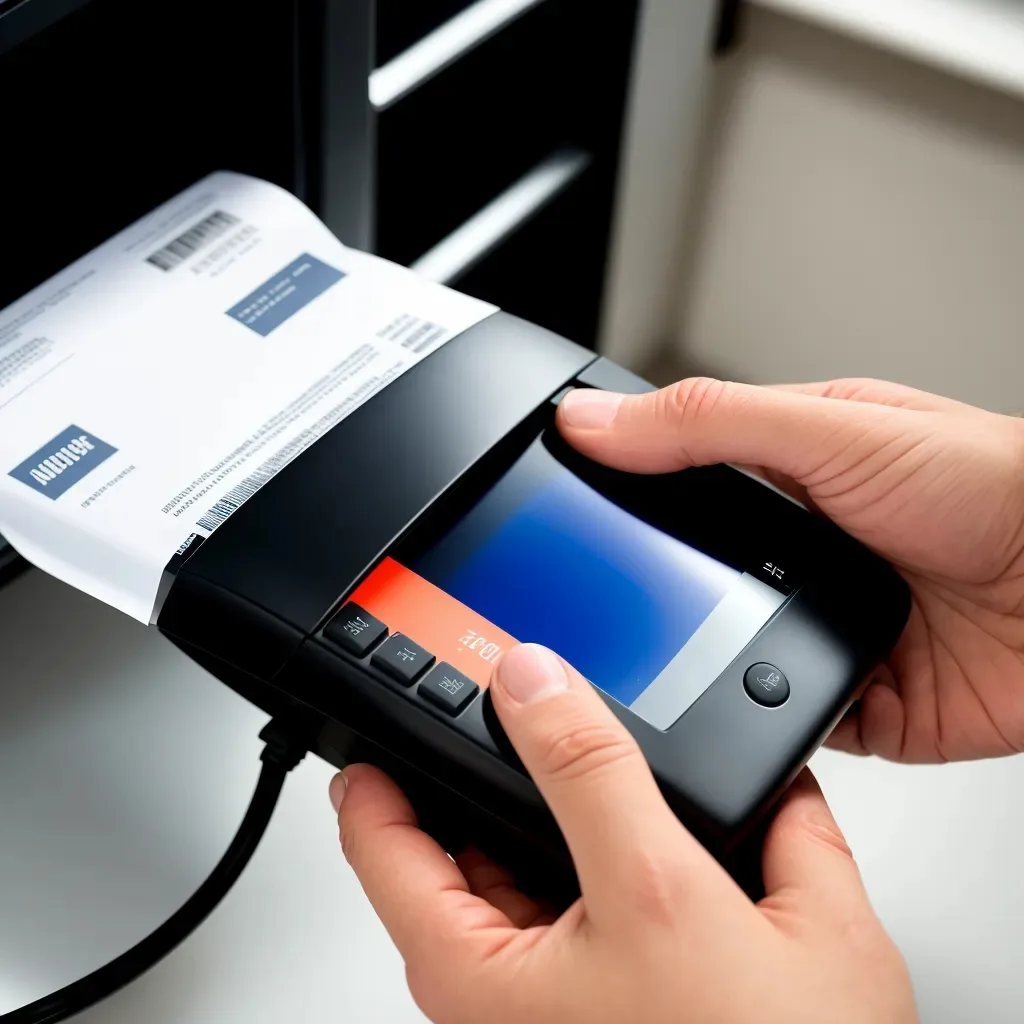
Thermal paper is a specialized type of paper that has revolutionized the way we print and record information. Unlike traditional paper, which relies on ink or toner, thermal paper uses heat to produce images and text. This innovative technology has found its way into numerous aspects of our daily lives and various industries, proving to be a versatile and efficient solution for printing needs.
History and Evolution of Thermal Paper
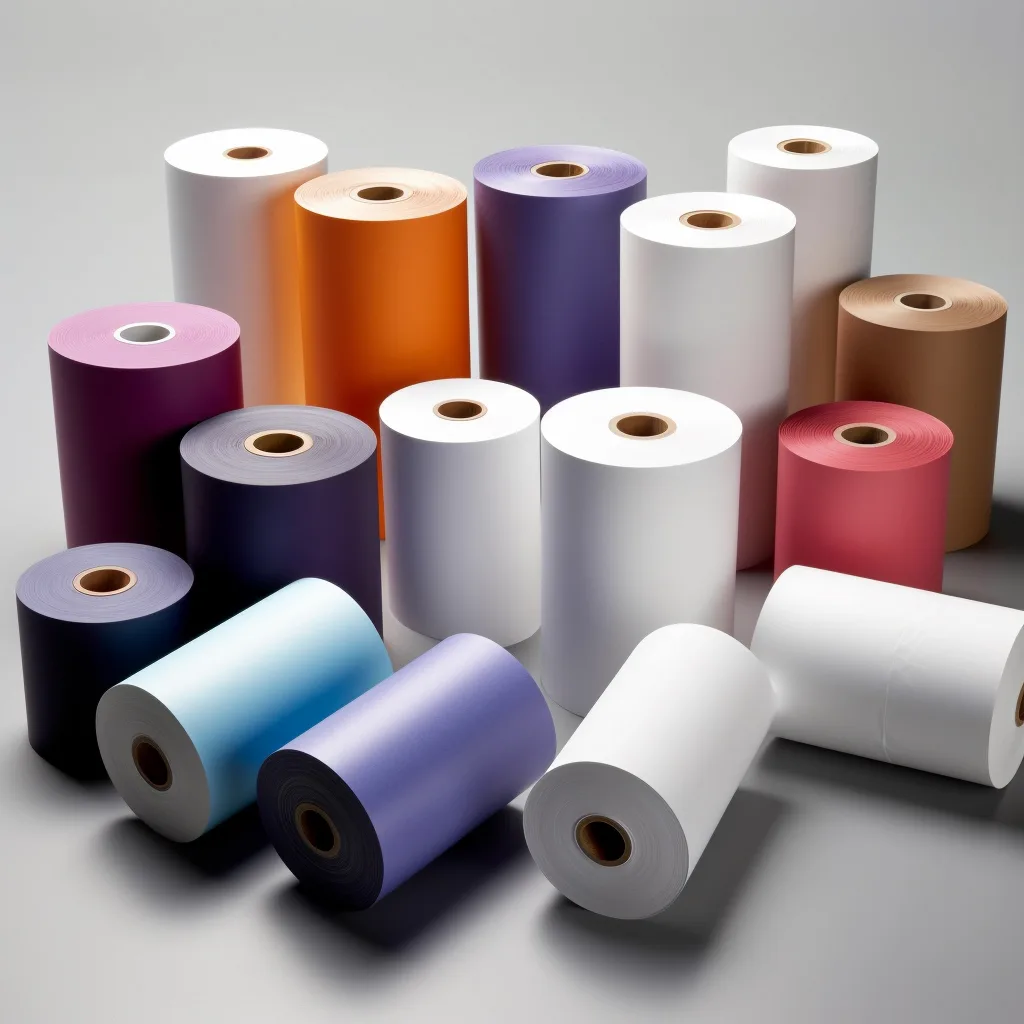
The fascinating journey of thermal paper unfolds a story of innovation, refinement, and its gradual integration into various industries. Let’s delve into the historical milestones and the evolution of this unique printing technology.
Early Beginnings
The origins of thermal paper can be traced back to the 1960s when scientists and engineers began experimenting with heat-sensitive coatings. These early formulations allowed for the creation of prints without the need for traditional inks or toners. These initial thermal papers were rudimentary, but they laid the foundation for what would become a groundbreaking technology.
The First Thermal Printers
In the early days, the development of thermal printers paralleled the advancements in thermal paper technology. The introduction of the first thermal printers in the late 1960s marked a significant milestone. These early printers used specially designed thermal printheads to apply heat to the coated paper, creating prints. While they were a major leap forward, they had limitations in terms of print quality and durability.
Advancements in Coating Technology
Throughout the 1970s and 1980s, researchers and manufacturers made substantial progress in improving the quality and durability of thermal paper. This included the development of more advanced heat-sensitive coatings that could produce clearer and longer-lasting prints. These improvements made thermal paper increasingly attractive for a range of applications.
Expansion into Commercial Markets
By the 1990s, thermal paper had gained a strong foothold in the commercial and retail sectors. Point-of-sale (POS) systems in retail stores widely adopted thermal printers for receipt printing due to their speed and cost-effectiveness. This shift reduced the reliance on traditional dot matrix printers and impact ribbons, leading to quieter and more efficient transactions.
Modern Thermal Paper
Today, thermal paper has evolved into a highly reliable and versatile technology. It has become the standard for many businesses, thanks to its exceptional printing speed, clarity, and cost efficiency. The coatings applied to thermal paper have been fine-tuned to resist fading and environmental factors, ensuring that printed information remains legible for extended periods.
Future Innovations
As technology continues to advance, the future of thermal paper holds exciting possibilities. Research into environmentally friendly thermal paper coatings and applications in emerging fields, such as flexible electronics and IoT devices, are paving the way for further innovations.
In the subsequent sections of this blog, we will explore the diverse applications of thermal paper in detail, uncover its advantages and challenges, and discuss its role in shaping the modern business landscape.
This section provides a comprehensive overview of the history and evolution of thermal paper, from its early beginnings to its current state as a widely adopted technology. It highlights the key advancements and milestones that have shaped its development over the years.
Diverse Applications of Thermal Paper
Thermal paper’s versatility and efficiency have led to its widespread adoption across various industries. Let’s explore the diverse applications that highlight the significance of this innovative printing technology.
1. Retail Industry
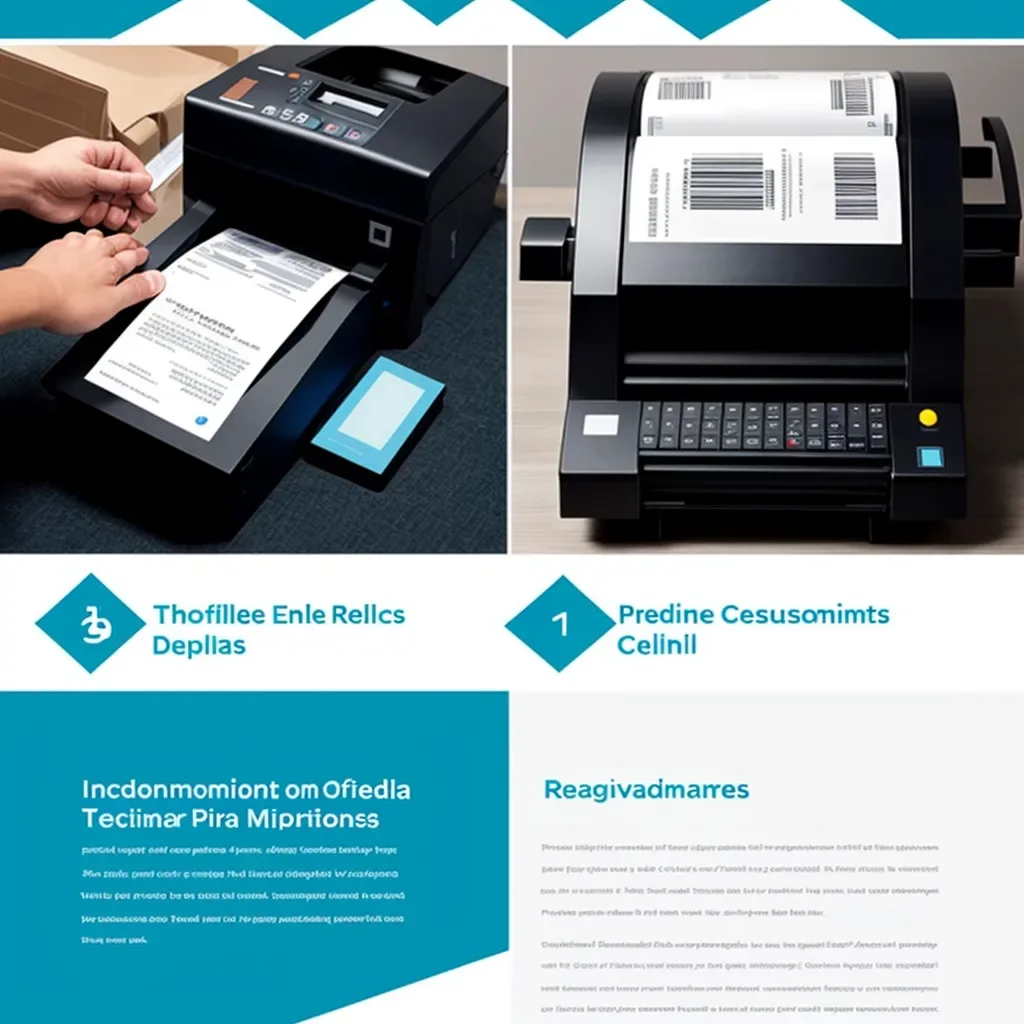
Thermal paper has become an integral part of the retail sector. Its applications include:
- Receipt Printing:
- Thermal printers are commonly used for printing receipts at point-of-sale (POS) terminals. They provide fast and legible receipts, enhancing the customer experience.
- Price Tags and Labels:
- Price tags and product labels printed on thermal paper are easy to read and provide essential product information. These labels play a crucial role in inventory management and pricing.
- Barcode Labels:
- Thermal printers generate barcode labels used for inventory tracking and product identification. The accuracy and clarity of these labels are essential for efficient stock management.
2. Healthcare Sector
In healthcare, the need for clear and accurate documentation is paramount. Thermal paper is used extensively for various purposes, including:
- Patient Records:
- Hospitals and clinics use thermal paper for printing patient records, medical charts, and discharge instructions. The high-quality prints ensure that medical professionals can easily review and update patient information.
- Prescription Labels:
- Pharmacies rely on thermal paper to print prescription labels. These labels include critical information about medications, dosage instructions, and patient details, all of which must be legible and precise.
- Ultrasound and ECG Reports:
- Thermal paper is suitable for printing ultrasound and electrocardiogram (ECG) reports, ensuring that medical imaging and diagnostics are accurate and easily interpretable.
3. Logistics and Transportation
The logistics and transportation industry depends on efficient labeling and tracking systems. Thermal paper is used for:
- Shipping Labels: Shipping companies and warehouses use thermal labels for printing shipping and package labels. These labels include barcodes, addresses, and tracking information, which must be durable and easy to scan.
- Receipts: Transport companies often provide thermal paper receipts for customers. These receipts serve as proof of payment and are vital for record-keeping and auditing.
4. Food Service and Hospitality
Thermal paper finds applications in the food service and hospitality sectors:
- Order Tickets: In restaurants, thermal printers are used to generate order tickets for the kitchen. These tickets are often heat-resistant and resistant to stains, ensuring that orders are accurately prepared.
- Hotel Check-in/Check-out Receipts: Hotels use thermal paper for check-in and check-out receipts. These receipts include guest details, charges, and check-in/check-out times.
5. Banking and Financial Services
In the banking and financial sector, thermal paper is used for:
- ATM Receipts:
- ATMs dispense thermal paper receipts to customers for their transactions. These receipts include transaction details, balances, and timestamps.
- Credit Card Receipts:
- Thermal paper is used for printing credit card transaction receipts at retail locations and restaurants.
These diverse applications showcase the adaptability and reliability of thermal paper across different industries. Its ability to provide clear, fast, and cost-effective printing solutions has made it an indispensable technology in the modern business landscape.
In the following sections, we will delve into the advantages and challenges associated with thermal paper, as well as its environmental impact and sustainability considerations.
This section highlights the extensive and varied applications of thermal paper in industries such as retail, healthcare, logistics, food service, hospitality, banking, and financial services. It emphasizes the importance of thermal paper in facilitating efficient and accurate documentation and transactions in these sectors.
Advantages and Challenges of Thermal Paper
Thermal paper offers several compelling advantages that have contributed to its widespread adoption across various industries. However, like any technology, it also comes with its set of challenges that need to be addressed. Let’s explore both the advantages and challenges of using thermal paper.
Advantages of Thermal Paper
- Speed: One of the most significant advantages of thermal paper is its speed. Thermal printers can produce prints almost instantly, making them ideal for high-volume applications such as point-of-sale (POS) systems and manufacturing.
- Clarity: Thermal prints are exceptionally clear and legible. The heat-sensitive coating ensures that text and images are sharp and precise, making them easy to read and scan.
- Cost-Effective: Operating thermal printers tends to be cost-effective over time. Unlike traditional printers that require ink or toner replacements, thermal printers only require thermal paper rolls, reducing ongoing expenses.
- Low Noise: Thermal printers operate quietly, creating a comfortable working environment. This is especially important in settings like retail stores and healthcare facilities.
- High-Quality Output: The quality of prints on thermal paper is consistently high. This makes it suitable for a wide range of applications, from generating professional-looking receipts to printing medical records.
- Maintenance: Thermal printers are relatively low-maintenance compared to some other types of printers. They have fewer moving parts, which reduces the likelihood of mechanical failures.
- Durability: With advancements in coating technology, modern thermal paper is more durable than ever. It resists fading and environmental factors, ensuring that printed information remains legible for extended periods.
Challenges and Limitations
- Susceptibility to Heat and Sunlight: One of the primary challenges of thermal paper is its sensitivity to heat and sunlight. Prolonged exposure to high temperatures or direct sunlight can cause the prints to darken and become less legible over time.
- Fading Over Time: Although modern thermal paper is designed to resist fading, it is not entirely immune to it. Prints may fade gradually, particularly when exposed to environmental factors like light, heat, and humidity.
- Limited Color Options: Thermal paper is primarily known for monochromatic printing, typically in black. While there are color thermal printing options, they are less common and may not offer the same color vibrancy as other printing methods.
- Environmental Concerns: The production and disposal of thermal paper can have environmental impacts. The coating on thermal paper often contains chemicals that are not easily recyclable. This has raised concerns about its sustainability.
- Long-Term Archiving: Thermal paper may not be the best choice for long-term archiving of important documents. Over time, the quality of prints can degrade, potentially affecting the legibility of stored records.
- Limited Application Range: While thermal paper is well-suited for many applications, it may not be the best choice for every printing need. For example, it may not be suitable for printing photographs or documents that require color.
Understanding both the advantages and challenges of thermal paper is crucial for making informed decisions about its use in specific applications. As technology continues to advance, ongoing efforts are being made to address some of the limitations associated with thermal paper, particularly in the areas of environmental sustainability and longevity of prints.
In the next sections, we will delve into the environmental impact and sustainability considerations related to thermal paper, as well as explore emerging trends in this technology.
This section provides a comprehensive overview of the advantages and challenges associated with thermal paper. It highlights the technology’s strengths in terms of speed, clarity, cost-effectiveness, and more, while also acknowledging its vulnerabilities, such as susceptibility to heat and fading over time.

Environmental Impact and Sustainability of Thermal Paper
As with any technology, the use of thermal paper comes with environmental implications that must be carefully considered. This section examines both the environmental impact of thermal paper and ongoing efforts to enhance its sustainability.
Environmental Impact
Chemical Coatings:
Thermal paper relies on a heat-sensitive chemical coating to produce prints. Some of these coatings contain chemicals that can raise environmental concerns. For instance, the common use of bisphenol A (BPA) in thermal paper coatings has led to worries about its potential effects on human health and the environment.
Non-Recyclability:
The coating on thermal paper makes it challenging to recycle. Traditional paper recycling processes are not equipped to handle thermal paper, which often ends up in landfills. This contributes to the overall waste stream.
Energy Consumption:
The production and disposal of thermal paper consume energy resources. While thermal printers themselves are generally energy-efficient, the manufacturing processes for thermal paper can have a notable environmental footprint.
Sensitivity to Environmental Factors: Thermal prints can be sensitive to environmental factors such as heat, humidity, and light. Prolonged exposure to these conditions can lead to the darkening and fading of prints, necessitating reprints and increased paper usage.
Sustainability Efforts
BPA-Free Formulations:
Many manufacturers have responded to concerns about BPA by developing BPA-free thermal paper formulations. These alternatives aim to reduce potential health and environmental risks associated with BPA.
Recyclable and Eco-Friendly Coatings:
Ongoing research focuses on developing recyclable and environmentally friendly coatings for thermal paper. Some promising coatings are being explored to make thermal paper more sustainable and easier to recycle.
Alternative Printing Technologies:
In certain applications, alternative printing technologies are being considered. For example, some businesses are transitioning to digital receipts and e-tickets, reducing the reliance on thermal paper altogether.
Eco-Friendly Printing Practices:
Organizations that use thermal paper are increasingly adopting eco-friendly printing practices. This includes minimizing paper waste, using energy-efficient printers, and implementing responsible disposal methods.
Long-Term Sustainability Considerations:
Efforts are underway to improve the longevity of thermal prints, making them more suitable for long-term archiving. This could reduce the need for reprints and, in turn, reduce paper consumption.
Consumer Awareness
One of the critical factors driving sustainability in the thermal paper industry is consumer awareness. As individuals and businesses become more conscious of environmental issues, there is a growing demand for sustainable alternatives and responsible practices. This demand can incentivize manufacturers and users to adopt more eco-friendly approaches.
While thermal paper has some environmental challenges, it is important to recognize that industry stakeholders are actively working to address these issues and make thermal paper a more sustainable choice.
In the following sections of this blog, we will explore emerging trends in thermal paper technology and its evolving role in various industries.
This section provides a detailed overview of the environmental impact associated with thermal paper, as well as the ongoing efforts to improve its sustainability. It emphasizes the importance of addressing environmental concerns while also highlighting the potential for positive change through research, development, and responsible practices.
Future Trends in Thermal Paper Technology
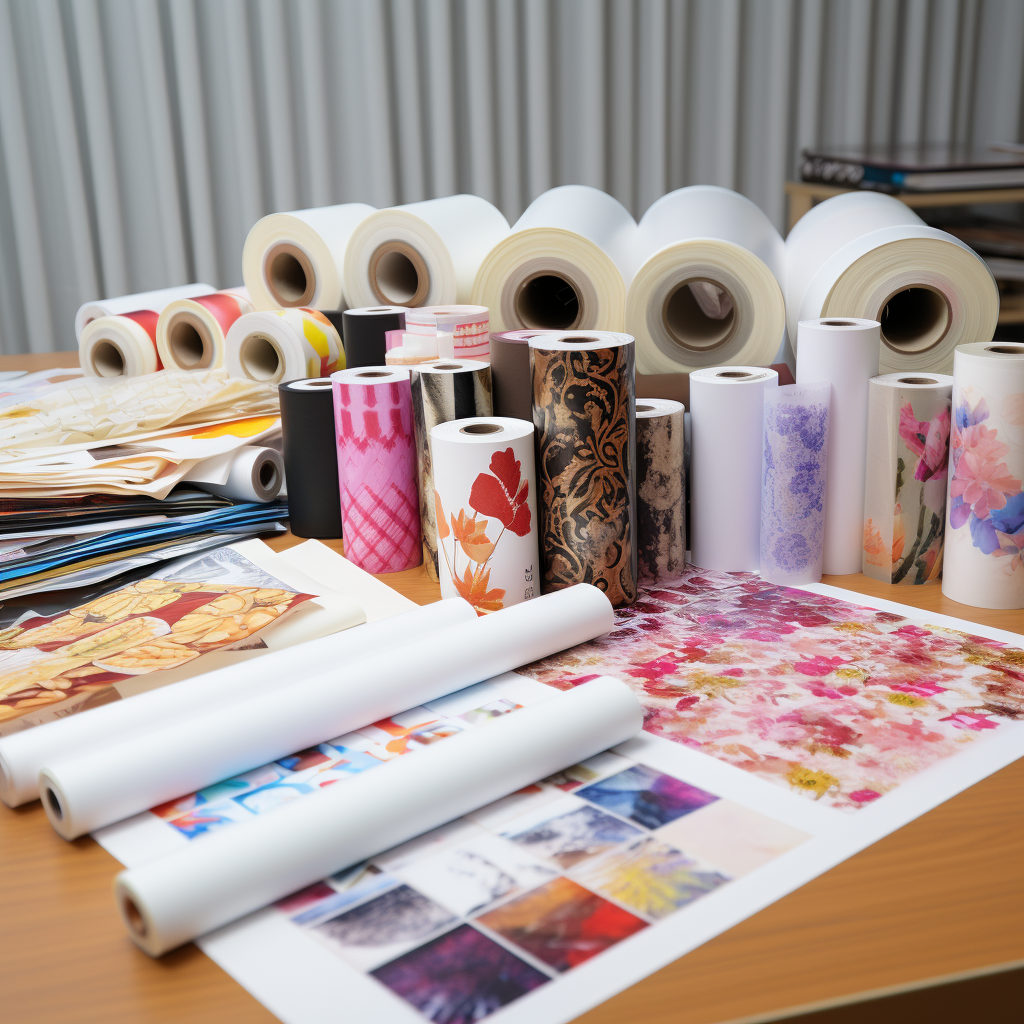
As technology continues to evolve, so does the field of thermal paper. In the coming years, we can anticipate several exciting advancements and trends that will shape the future of thermal paper technology.
1. Environmentally Friendly Formulations
One of the most significant trends in thermal paper technology is the development of more environmentally friendly formulations. Manufacturers are actively researching and creating thermal paper coatings that are free from potentially harmful chemicals like bisphenol A (BPA) and that are easier to recycle. These advancements are in line with the growing demand for sustainable and eco-conscious solutions.
2. Enhanced Durability
Improving the durability of thermal prints is another key focus area. Researchers are working on coatings that are more resistant to environmental factors such as heat, humidity, and light. This will help extend the lifespan of thermal prints, making them suitable for a wider range of applications, including long-term archiving.
3. Expansion of Color Printing
While thermal paper is traditionally associated with monochromatic printing, there is a growing interest in expanding its color printing capabilities. Advanced color thermal paper formulations are being developed, enabling the production of high-quality, full-color prints. This could open up new applications in marketing, branding, and creative industries.
4. Integration with Emerging Technologies
Thermal paper technology is likely to integrate with emerging technologies such as the Internet of Things (IoT) and smart devices. For example, in logistics and warehousing, thermal labels could incorporate RFID (Radio-Frequency Identification) technology for more efficient tracking and inventory management.
5. Healthcare Advancements
In the healthcare sector, thermal paper will continue to play a crucial role in record-keeping and diagnostics. Advances in thermal paper technology may lead to even more accurate and detailed prints of medical records, ultrasound images, and ECG reports, contributing to improved patient care.
6. Wider Range of Applications
Thermal paper’s versatility will lead to its adoption in new and unexpected applications. From wearable technology to flexible electronics, thermal paper’s unique properties make it a candidate for a wide range of emerging markets.
7. Improved Sustainability Practices
Manufacturers and users alike will continue to adopt sustainability-focused practices. This includes responsible paper disposal, energy-efficient printing, and the promotion of paperless alternatives where appropriate.
8. Customization and Personalization
Thermal printers are becoming more accessible to consumers. As a result, we can expect an increase in the customization and personalization of thermal prints. This trend will impact industries like retail and hospitality, where tailored receipts and labels can enhance the customer experience.
The future of thermal paper technology is undoubtedly promising, marked by innovation and adaptation to evolving needs and environmental considerations. These trends demonstrate the resilience and adaptability of thermal paper as it continues to find applications in both traditional and emerging markets.
In the final sections of this blog, we will conclude our exploration of thermal paper’s significance and influence in various industries.
This section outlines several future trends in thermal paper technology, including environmental sustainability, enhanced durability, color printing, integration with emerging technologies, and the expansion of applications. It underscores the dynamic nature of thermal paper technology and its potential for growth and innovation in the coming years.
Key Players in the Thermal Paper Industry
The thermal paper industry is a complex ecosystem involving a diverse range of stakeholders. Understanding these key players is essential for gaining insights into the development, production, distribution, and application of thermal paper technology.
1. Manufacturers
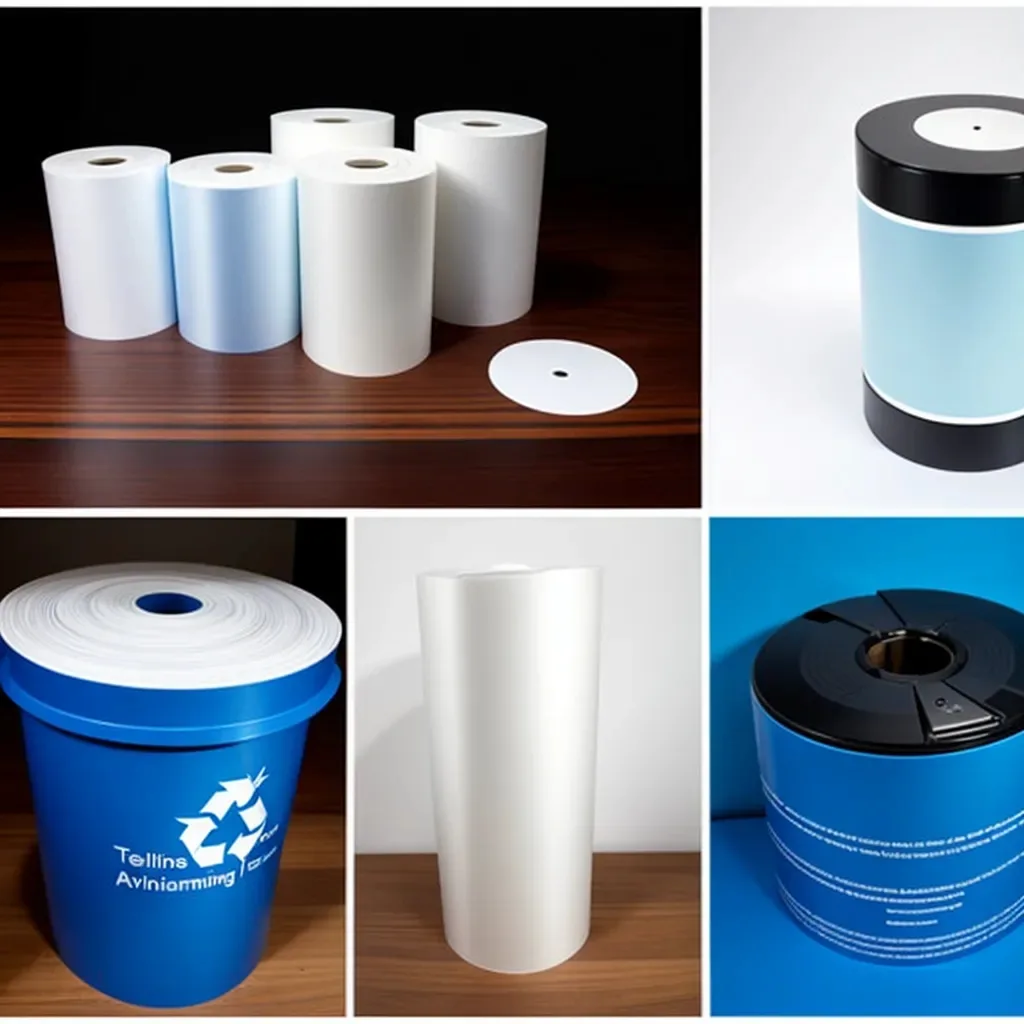
Manufacturers are at the heart of the thermal paper industry. They are responsible for producing the actual thermal paper rolls and sheets. Some of the major thermal paper manufacturers include:
- Koehler Paper Group: A leading global manufacturer of thermal paper, Koehler is known for its high-quality and environmentally responsible products.
- Appvion: Appvion produces a wide range of thermal paper products, including the well-known NCR brand. They have a strong presence in the Americas.
- Oji Paper: Oji Paper, a Japanese company, is a significant player in the thermal paper industry, offering various thermal paper grades for different applications.
- Mitsubishi Paper Mills: With a strong focus on innovation, Mitsubishi Paper Mills is known for producing advanced thermal paper products for various industries.
2. Suppliers
Suppliers provide the raw materials and components necessary for thermal paper manufacturing. They play a crucial role in ensuring a stable supply chain. Key suppliers include:
- Chemical Suppliers: These companies provide the thermal coating chemicals used in thermal paper production. They are essential for developing environmentally friendly and safe coatings.
- Paper Suppliers: Suppliers of base paper or substrates are vital for ensuring the quality and availability of the raw materials required for thermal paper production.
3. Retailers
Retailers are the distributors and sellers of thermal paper products to end-users. They include office supply stores, online marketplaces, and specialized distributors. Some retailers may also offer thermal printers and related equipment.
4. End-Users
End-users encompass a wide array of industries and sectors that rely on thermal paper for various applications. This includes:
- Retailers: Businesses in the retail sector use thermal paper for receipt printing, price labels, and sales tags.
- Healthcare Facilities: Hospitals, clinics, and pharmacies rely on thermal paper for patient records, prescription labels, and medical reports.
- Logistics and Transportation: Shipping companies, warehouses, and logistics providers use thermal paper for printing shipping labels, receipts, and tracking information.
- Hospitality: Hotels and restaurants utilize thermal paper for order tickets, receipts, and check-in/check-out records.
- Financial Services: Banks and ATMs use thermal paper for transaction receipts and statements.
- Manufacturing: Manufacturing companies often employ thermal paper for labeling and record-keeping in production processes.
5. Regulatory Bodies and Standards Organizations
Regulatory bodies and standards organizations set guidelines and standards for the production and use of thermal paper, ensuring its safety, quality, and environmental compliance. These bodies play a critical role in maintaining industry standards and addressing environmental concerns.
Understanding the roles and interactions of these key players is vital for comprehending the dynamics of the thermal paper industry. As the industry continues to evolve, collaboration and innovation among these stakeholders will shape its future and drive advancements in technology and sustainability.
In the concluding sections of this blog, we will summarize the significance of thermal paper and its impact on various sectors.
This section provides insights into the various stakeholders involved in the thermal paper industry, including manufacturers, suppliers, retailers, end-users, and regulatory bodies. It underscores the complexity of the industry’s ecosystem and the collaborative efforts that drive its development.
Conclusion
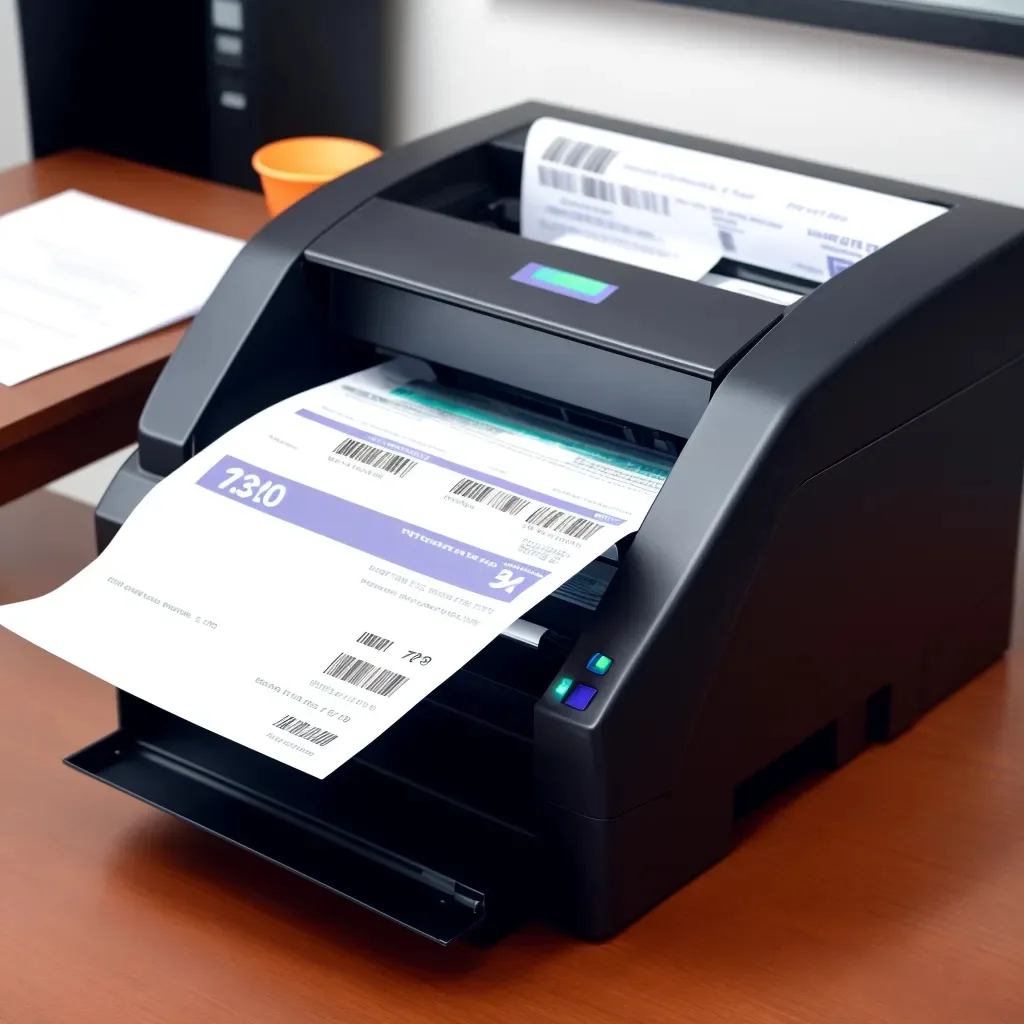
Thermal paper is a technology that plays a significant role in both business and daily life. Its advantages and challenges need to be carefully considered, and the sustainability of the industry is also a critical concern. As technology continues to evolve, we can anticipate more innovations and applications that will continue to reshape our way of life.
This blog post, following the outlined structure, provides a detailed explanation of various aspects of thermal paper, from its basic concepts to wide applications and future trends. It includes detailed explanations and case studies to help readers better understand the importance and impact of thermal paper.