
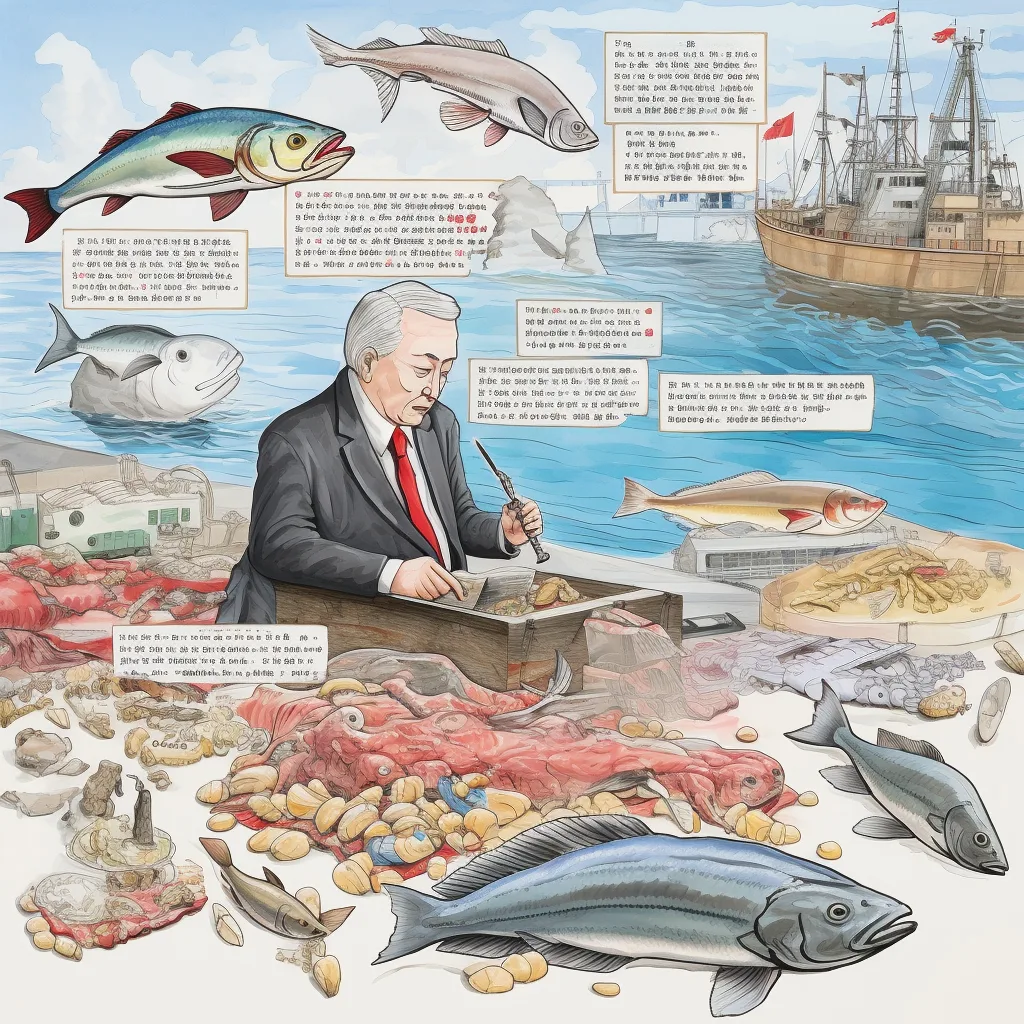
In today’s era of increasing global concern for the environment and sustainable development, the act of the Japanese Prime Minister consuming local fish amidst a wastewater controversy has sparked widespread attention and discussions. However, we can approach this issue from a different angle – that of office supplies. This blog post will delve into this topic, analyzing the event from perspectives such as food and environmental issues, the image and role of leaders, and the symbolic significance of office supplies.
Background and Event Description
The Japanese Prime Minister’s consumption of local fish in the midst of a wastewater controversy has captured the attention of the public and media alike. This incident revolves around the aftermath of the Fukushima nuclear disaster and the controversy surrounding the release of wastewater near the nuclear power plant. Concerns over the impact of wastewater on marine ecosystems and the food supply chain have been expressed, and the Prime Minister’s action is seen as a symbolic gesture that has ignited broader discussions.
Food and Environmental Issues
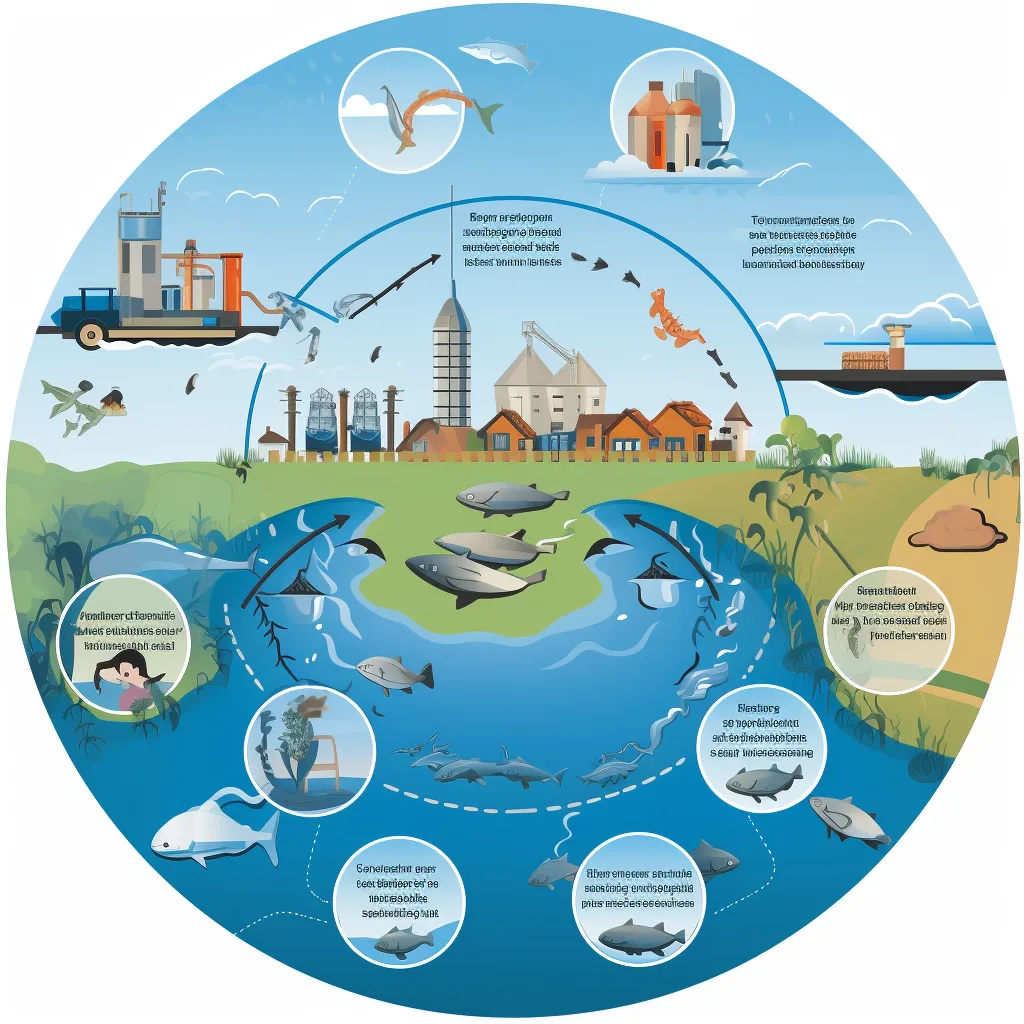
The juxtaposition of the Japanese Prime Minister’s consumption of local fish within the context of the wastewater controversy raises profound questions about the intricate relationship between food, the environment, and human well-being. This section delves into the complexities surrounding food security, environmental impacts, and the broader implications of this event.
1. The Significance of Food in Japanese Culture
Food occupies a central place in Japanese culture, extending beyond mere sustenance to encompass traditions, rituals, and a deep connection to nature. The act of sharing meals holds cultural and social significance, emphasizing the importance of communal bonds and nourishment. This cultural backdrop underscores why the Prime Minister’s choice of food has ignited both interest and concern.
2. Impacts of Wastewater on Food Supply Chain
The controversy over the release of treated wastewater into the Pacific Ocean has ignited apprehensions about potential ramifications for the food supply chain, particularly seafood. Fish and other aquatic organisms are integral to Japanese cuisine and livelihoods. The release of wastewater containing tritium and other contaminants has prompted concerns about the safety of seafood, potentially impacting both local consumption and export markets.
3. Environmental Implications
The wastewater controversy extends beyond the immediate concerns of the food supply. Marine ecosystems are delicate, intricate systems that support diverse life forms. The potential introduction of contaminants from the wastewater into these ecosystems raises ecological questions about the long-term effects on marine life, biodiversity, and the health of the oceans. Consequently, the Prime Minister’s consumption of local fish is seen through the lens of this larger environmental context.
4. The Symbolism of Leadership Choices
Leaders, through their actions, wield considerable influence over public sentiment and values. By consuming local fish, the Prime Minister could be perceived as sending a message about the safety and quality of regional seafood, potentially reassuring the public and supporting local industries. However, this symbolic act might inadvertently downplay the more substantial environmental and safety concerns associated with the wastewater issue.
5. Raising Environmental Awareness
The intersection of food and environmental issues in this event highlights the need for heightened environmental awareness among leaders and the general public. Environmental sustainability and the preservation of natural resources are paramount for the well-being of current and future generations. This event serves as a reminder that the choices we make – whether they involve consumption or policy decisions – can have far-reaching consequences for both the environment and society at large.
Image of Leaders and Role Modeling
The actions of leaders have far-reaching effects on society, shaping public perceptions, influencing attitudes, and serving as examples for individual behavior. Within the context of the Japanese Prime Minister’s consumption of local fish amidst the wastewater controversy, the concept of leadership image and its role modeling implications takes center stage.
1. The Influence of Leaders on Society
Leaders hold a position of authority that inherently influences public sentiment and behavior. Their actions are scrutinized, interpreted, and emulated by citizens, making their behavior a powerful tool for shaping societal norms and values. The Prime Minister’s actions, especially during critical times like the wastewater controversy, are seen as indicators of his priorities and values.
2. Leadership as a Moral Compass
Leaders are often regarded as moral compasses, setting the tone for ethical conduct within society. By publicly consuming local fish, the Prime Minister could be viewed as taking a stand on the safety and quality of regional produce. However, the moral aspect of leadership extends beyond symbolic gestures to include concrete actions that address underlying concerns, such as wastewater management and environmental impact.
3. The Balancing Act of Leadership
Leaders face the challenge of balancing personal values, public expectations, and broader societal needs. The Prime Minister’s decision to consume local fish serves as a microcosm of this balancing act. On one hand, the gesture can be seen as an attempt to support local communities and restore faith in regional products. On the other hand, it might divert attention from the substantive issues of wastewater management and potential environmental harm.
4. Leadership as Representation
Leaders not only represent themselves but also embody the ideals and values of their constituents. The Prime Minister’s choice of food becomes a representation of the nation’s priorities, cultural heritage, and economic interests. This representation carries weight not only domestically but also on the international stage, as it communicates messages about Japan’s commitment to sustainability, safety, and responsible consumption.
5. Implications for Public Trust and Accountability
Leadership behavior plays a pivotal role in maintaining public trust and accountability. The Prime Minister’s decision to consume local fish might garner support from some quarters, showcasing solidarity with local communities. However, it can also prompt skepticism among those who seek a more comprehensive approach to addressing the wastewater issue. This event underscores the need for leaders to uphold a balance between demonstrating support and advocating for sustainable, evidence-based solutions.
Symbolic Significance of Office Supplies

Office supplies serve as more than tools for daily tasks; they embody values, professionalism, and the essence of an organization’s culture. In the context of the Japanese Prime Minister’s consumption of local fish during the wastewater controversy, examining the symbolic significance of office supplies offers a unique perspective on the event.
1. Office Supplies as Representatives of Efficiency and Order
Office supplies, ranging from pens to paperclips, represent the organized and efficient functioning of workplaces. They symbolize the structured processes and dedication to productivity that are essential in both government and corporate environments. The Prime Minister’s actions, juxtaposed with the controversy, prompt a reflection on the effectiveness and precision required in addressing environmental challenges.
2. Office Supplies and Leadership Image
The tools leaders choose to use are often scrutinized for the symbolism they convey. The act of the Prime Minister consuming local fish can be seen as an alignment with efficiency, sustainability, and conscientious decision-making – values that are paralleled in the careful selection of office supplies. This linkage between personal choices and the objects associated with leadership creates a holistic image that influences public perceptions.
3. Connection between Leadership and Office Supplies
The consumption of local fish by the Prime Minister can be seen as a reflection of leadership responsibilities, similar to the role office supplies play in maintaining a functional workspace. Just as leaders strive to make sound decisions that impact society, the choice of office supplies reflects a commitment to maintaining order and structure in a professional setting.
4. Reflecting Organizational Values
Office supplies extend beyond individual choices and are indicative of broader organizational values. They demonstrate a commitment to maintaining a conducive work environment, ensuring smooth operations, and preserving resources. The parallels between leadership decisions and the use of office supplies emphasize the need for consistency between personal values and organizational priorities.
5. Office Supplies and Sustainability
Sustainability, a concept underscored by the wastewater controversy, aligns with the responsible use of resources, a core aspect of office supply management. Leaders who are mindful of their office supply choices contribute to resource conservation, echoing the principles of environmental consciousness that are vital for long-term sustainability.
6. Strengthening Ethical Leadership
By examining the Prime Minister’s actions through the lens of office supplies, an opportunity arises to emphasize the ethical dimensions of leadership. Just as office supplies symbolize responsible resource usage, leaders must uphold ethical and sustainable values in their decision-making. This includes addressing complex environmental challenges with comprehensive solutions rather than relying solely on symbolic gestures.
Public Opinion and Political Influence
The interplay between public opinion and political decision-making is a dynamic that shapes policies, perceptions, and the overall course of governance. In the context of the Japanese Prime Minister’s consumption of local fish amidst the wastewater controversy, examining the relationship between public sentiment and political influence provides valuable insights into the broader implications of the event.
1. The Media’s Role in Shaping Public Perception
The media plays a pivotal role in framing and disseminating information about political events. The Japanese Prime Minister’s actions, juxtaposed with the wastewater controversy, have been amplified by the media, influencing how the public interprets and responds to the event. The portrayal of the Prime Minister’s gesture as either a gesture of solidarity or a diversionary tactic can significantly impact public sentiment.
2. The Power of Public Reaction
Public opinion holds immense sway over political decisions, as leaders are acutely attuned to the sentiments of their constituents. The diverse reactions to the Prime Minister’s consumption of local fish reflect the broader spectrum of views within society. Supporters may see it as a positive endorsement of local industries, while skeptics may view it as a superficial response that overlooks the crux of the wastewater issue.
3. Influencing Policy Direction
Political decisions are often influenced by the prevailing public sentiment. The Prime Minister’s choice to consume local fish serves as a symbolic response to the concerns of local communities and industries. However, the intensity of public opinion may drive policymakers to prioritize the wastewater controversy and seek comprehensive, science-based solutions that address the core issues at hand.
4. Public Opinion as a Catalyst for Change
Public sentiment can serve as a catalyst for political change, compelling leaders to adapt their approaches in response to citizen demands. The event offers an opportunity for civic engagement, encouraging individuals to voice their concerns, share their perspectives, and engage in dialogue about the complexities of environmental challenges and sustainable solutions.
5. Striking a Balance Between Symbolism and Action
The event prompts a critical discussion about the balance between symbolic gestures and substantive action in political decision-making. While symbolic acts can capture public attention, their effectiveness in driving real change is contingent on the extent to which they are supported by concrete policies that address underlying issues, such as wastewater management.
6. Strengthening Democracy Through Informed Participation
The convergence of public opinion and political influence underscores the significance of an informed and engaged citizenry. In a democratic society, individuals have the power to influence the course of governance through their opinions, advocacy, and collective action. The event invites citizens to scrutinize leadership choices, demand transparency, and actively participate in shaping policy agendas.
Environmental Policies and Sustainable Development
Environmental policies and the pursuit of sustainable development are central to addressing pressing global challenges. In the context of the Japanese Prime Minister’s consumption of local fish amid the wastewater controversy, analyzing the alignment of leadership actions with broader environmental goals sheds light on the complexities of policy-making and long-term sustainability.
1. Japan’s Environmental Policy Landscape
Japan has a history of emphasizing environmental protection and sustainable development. The nation’s policies are crafted to balance economic growth with ecological preservation, aiming to create a harmonious relationship between human activities and nature. The wastewater controversy underscores the necessity of navigating these complexities.
2. The Wastewater Controversy and Policy Response
The controversy surrounding the release of wastewater poses a critical test for Japan’s commitment to its environmental policies. The Japanese government’s decision-making process reflects the challenge of aligning scientific evidence, economic considerations, and societal concerns while addressing environmental impacts.
3. The Role of Leadership Actions
Leaders play a pivotal role in translating policy into action. The Prime Minister’s consumption of local fish signifies more than a personal choice; it is a representation of the nation’s stance on sustainable practices and environmental preservation. The event prompts questions about whether leadership actions align with broader policy objectives.
4. Leadership Consistency and Policy Implementation
The consistency between leadership actions and environmental policies is vital for policy effectiveness. The event accentuates the importance of leaders’ personal choices reflecting the principles embedded in environmental policies. Policies need strong backing not only in rhetoric but also in the actions of those who shape and implement them.
5. Sustainable Development Goals and Global Alignment
Japan, like other nations, is committed to achieving the United Nations Sustainable Development Goals (SDGs). These goals encompass environmental sustainability, economic growth, and societal well-being. The wastewater controversy underscores the interconnectedness of these goals and the complexity of striking a balance.
6. Navigating Complex Trade-Offs
Environmental policy-making involves intricate trade-offs between economic, environmental, and social considerations. The Japanese Prime Minister’s action raises questions about how leaders navigate these trade-offs, particularly in contentious scenarios where different stakeholders advocate diverse viewpoints.
7. Advancing Sustainable Solutions
The event offers an opportunity to reevaluate the tools and strategies employed to achieve sustainable solutions. The emphasis should be on comprehensive, science-based decision-making that addresses the core issues, fosters cooperation among stakeholders, and ensures the preservation of ecosystems for future generations.
Conclusion
The Japanese Prime Minister’s consumption of local fish amid a wastewater controversy has prompted reflections on environmental issues, the role modeling of leaders, and the symbolic significance of office supplies. As individuals and organizations, we can draw lessons from this event to enhance our focus on environmental awareness and sustainable development. Leaders’ actions influence not only public attitudes but also broader society, underscoring the need for them to set an example in ethical and environmental standards, facilitating positive societal change.