
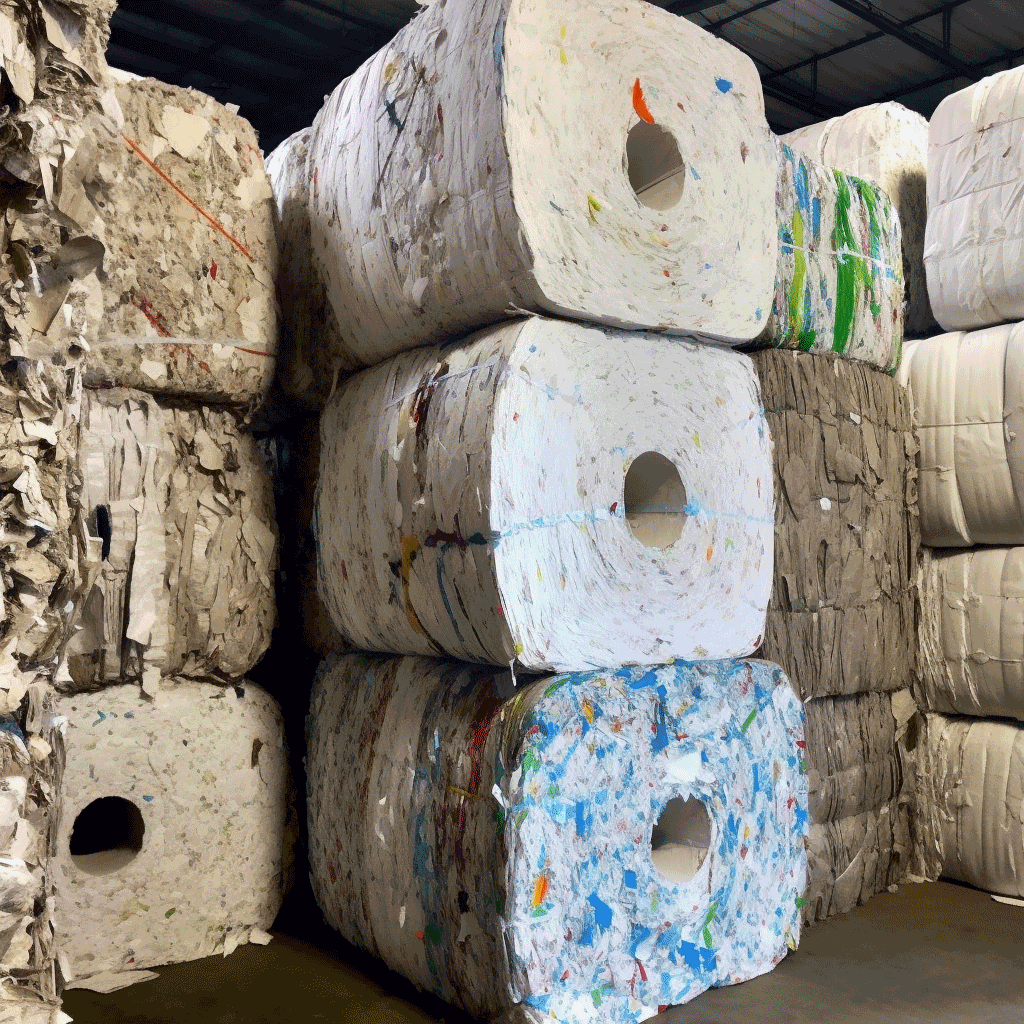
In the era of environmental protection and sustainability, people pay more and more attention to the degradability and composability of products. Thermal paper, as a common printing material, is used for receipts, labels and bills, raising a question: can thermal paper compost?
First, we need to understand the composition of the thermosensitive paper. Thermal paper is made of paper pulp and coated with a special layer of thermal chemicals. When the chemical is exposed to heat or pressure, images or text are generated on paper. However, such thermosensitive chemicals often contain chemicals such as lead azide, which are potentially harmful to the environment and living organisms.
Due to the chemicals in the thermal paper, the traditional thermal paper can usually not be regarded as a fully compostable product. This is because the composting process takes some time and specific conditions to decompose the paper and convert it into organic matter. The chemical substances in the thermal paper may interfere with the composting process and affect the normal operation of the composting.
However, some research institutes and manufacturers are looking for alternatives to improve the composability of thermal paper. They are working to develop and use more environmentally friendly thermosensitive chemicals that do not negatively affect the composting process. These new thermosensitive papers may contain biodegradable materials that make them more suitable for composting.
In addition, if you want to process the thermal paper and make it more environmentally friendly, you can choose to do special thermal paper recycling. Some institutions offer thermal paper recycling services, treating them professionally to ensure the reuse of recycled materials. This method can reduce the waste of thermal paper and convert it into other recyclable materials.
Overall, there are some limitations in comstable properties, mainly due to the influence of the chemicals contained in it. However, through continuous research and innovation, we can expect to see the emergence of more environmentally friendly, compostable thermal paper products. At the same time, as consumers, we can choose to use compostable alternatives or participate in the recovery process of thermal paper to reduce the impact on the environment.
However, there are still some challenges and controversies about the compost nature of thermal paper. Some studies have shown that although the chemicals in the thermal paper may have an effect on the composting process, part of the thermal paper may decompose and convert into organic material under specific composting conditions. This means that the circumstances may depend on the operation of the composting facility, temperature, humidity and other environmental factors.
In addition, the compost properties of thermal paper is also affected by regional and national regulations. The requirements and standards for composting materials may vary in different regions, and there may be restrictions or prohibitions on the use of thermal paper. Therefore, local regulations and guidelines should be referred when considering the comstable ability of thermal paper.
For individuals and businesses, we can take the following actions regarding the compotability of thermal paper:
Choose Alternatives: If compostable ability is important to you, choose to use biodegradable and compostable certified alternatives, such as compostable paper or renewable paper.
Environmental treatment: If you still use thermal paper, make sure you handle it properly. Try to avoid putting thermal paper into ordinary paper recycling containers, so as not to pollute the entire recycling process. Find specialized thermal paper recycling services or consult with local waste management agencies to ensure that thermal paper is properly handled.
Raise awareness: Educate others about the compotability of thermal paper and encourage them to take environmental action. Share your knowledge and experience to drive a growing awareness of sustainability.
Overall, there is still much discussion and research on the composability of thermal paper. While there may be some limitations to traditional thermal paper, with technology and innovation, we can expect to see the advent of more environmentally friendly and compostable thermal paper products. In daily life, we can also make a positive contribution to environmental protection by choosing alternatives and correctly handling thermal paper.