
BPA (BPA A) is A chemical widely used in the manufacture of thermal paper, which is a common material used for printing receipts, labels and bills. However, with the increasing awareness of environmental protection, attention began to pay to the recyclability of BPA thermothermal paper. This paper will explore the recovery of BPA no thermal paper and related issues.
Thermal paper is a special paper containing heat-sensitive dyes that produces images and text through heat energy. In the past, many thermosensitive paper manufacturers have used chemicals containing BPA as heat-sensitive dyes. However, because BPA is considered to have potential health risks, such as endocrine disruption and potential carcinogenicity, many manufacturers have turned to producing BPA thermothermal paper.
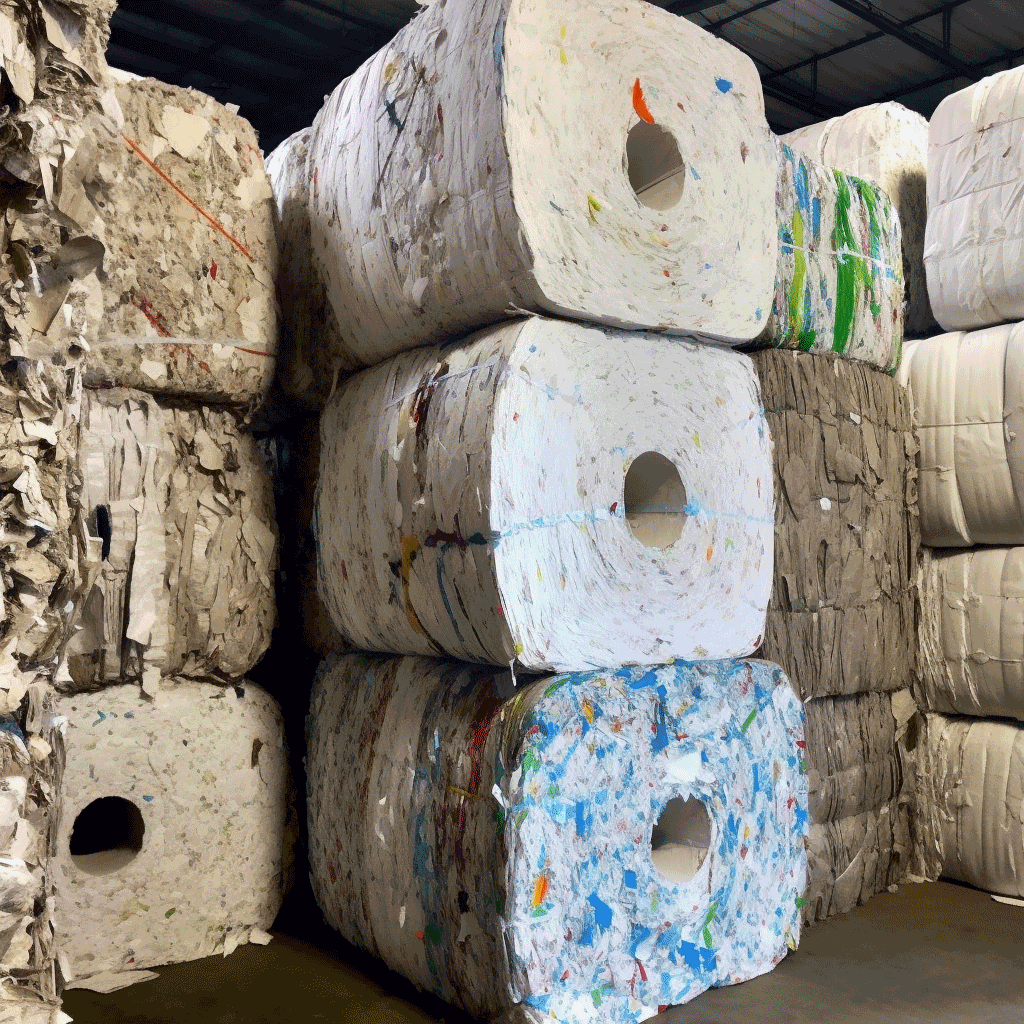
Recovery of BPA thermal paper: The recovery of BPA thermal paper mainly depends on the material and composition of the paper itself. Usually, thermal paper made of pure pulp can be recycled. This type of thermal paper can be processed through a conventional paper recycling process to recycle it into recycled paper.
Challenges in the recovery process: Although BPA nonthermal paper is theoretically recyclable, there are some challenges in practice. First, thermal paper usually contains non-recyclable plastic coatings that make the paper heat sensitive. These plastic coatings may affect the recycling properties of the paper and cause difficulties in the recycling process.
The development of sustainable alternatives: With the growing demand for environmentally friendly products, some companies have begun to develop alternative thermal paper products that are more environmentally friendly and recyclable. For example, some manufacturers are developing thermal paper that uses renewable materials or is free of BPA chemicals. These new materials can provide similar properties to traditional thermal paper, while reducing the environmental impact.
Suggestions and actions:
When using thermal paper, the choice of BPA no thermal paper is a positive initiative that helps to reduce the impact on the harmful environment.
When processing the used thermal paper, try to include it into the paper recovery system. Despite some challenges, the recycling facility may have the ability to process thermal paper made of pure pulp.
Companies and brands that find and support those using sustainable alternatives. These companies are committed to developing environmentally friendly thermal paper products that can help reduce dependence on hazardous chemicals and provide recyclability.
Raise awareness and educate others. Sharing information about recycling issues and sustainable alternatives to thermal paper can increase awareness of environmentally friendly choices and prompt more people to take action.
sum up:
BPA nonthermal paper is theoretically recyclable, but there are some challenges in practice. The thermal paper made of pure paper pulp can be processed through a conventional paper recycling process. However, because thermal paper often contains non-recyclable plastic coating, it causes some difficulties in the recycling process. To reduce the impact on the environment, the choice of BPA nonthermal paper and sustainable alternatives is a promising practice. At the same time, raising awareness of the problem of thermal paper recycling and sustainable alternatives could encourage more people to take environmental action.